

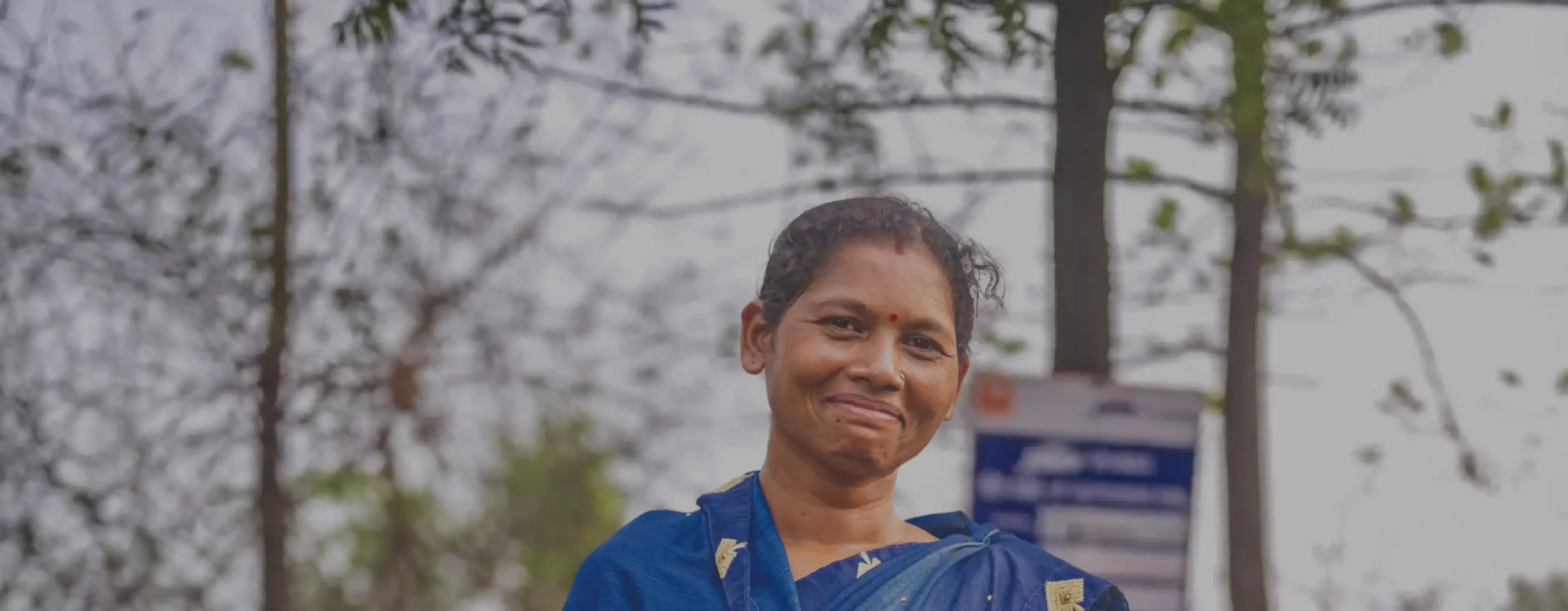
Our community engagement approach is grounded in the belief that strong relationships lead to better outcomes. By fostering open communication, mutual respect, and shared understanding, we create space for communities to participate meaningfully in our journey. This engagement not only helps us identify local needs and sensitivities early on but also ensures that our actions reflect the values and aspirations of those we impact. Through collaboration, transparency, and continuous dialogue, we aim to build trust and deliver lasting, inclusive value.
Assess site-specific sources of impact—such as noise, transport, fumes, dust, smoke, and light—through environmental evaluations and stakeholder engagement.
Implement infrastructure and operational changes, adopt innovative technologies, and educate employees to eliminate or reduce identified local concerns.
Create accessible channels for stakeholders to report issues and complaints, ensuring timely resolution and continuous improvement.
Track and analyze instances of local considerations to identify trends, flag recurring issues, and guide corrective actions.
We are committed to building respectful, transparent, and long-term relationships with the communities we serve. Our Community Engagement Framework reflects our belief that inclusive dialogue and shared decision-making are essential to sustainable development. This approach ensures that community voices are not only heard but actively shape the way we operate.
Through a structured five-step methodology, we identify and engage stakeholders, share relevant information, listen to community concerns, and integrate their feedback into our planning and operations. We also maintain robust grievance mechanisms and provide regular updates to ensure accountability and trust.
This framework is designed to address a wide range of community interests—from operational and project risks to cultural heritage preservation and environmental and social impacts. By embedding community perspectives into our decision-making, we aim to create positive, lasting outcomes for all stakeholders.
Consulting communities before starting any project is of utmost importance to us. As a commitment to this, we have a community consultation framework and approach that involves identification and engagement with affected communities and the range of stakeholders who may be affected by or have an interest in our operations and projects. As a commitement to this, community consultation is undertaken across all 16 production assets in line with applicable statutory requirements. We also conduct need-based social impact assessments in local communities, including around the three Integrated Steel Plants currently undergoing development and expansion.
This includes local communities, vulnerable groups, indigenous populations where applicable, local authorities, community representatives, civil society organizations, employees, and other relevant stakeholders.
Particular attention is given to vulnerable, marginalized, and indigenous communities, where applicable, to ensure their perspectives are adequately represented throughout the consultation process.
As part of our approach and in line with our stakeholder engagement plan, we engage affected communities at the earliest stages of project planning to identify and address concerns proactively.
We take all possible measures to avoid/minimize the acquisition of land that would result in the physical or economic displacement of people. Where projects may impact Indigenous Peoples or local communities, their perspectives are considered through transparent consultation processes that support informed participation and decision-making.
We are also committed to ensuring that relocation and resettlement of project-affected communities (if required) are managed adequately and fairly across all operational sites through our corporate approach. To achieve this we determine the compensation for land acquisition and other assets in a fair and transparent manner, in consultation with affected communities and in accordance with the laws and regulations and other guidelines and frameworks.
As of now, we have not encountered any instances of relocation or rehabilitation. However, if any such situations arise in the future, we will comply with relevant local regulations and mining plans developed during the initial stages.
We provide timely, accessible, and transparent information regarding project activities, potential social and environmental impacts, mitigation measures, and community support initiatives. Stakeholders are informed about project-related risks, commitments, and management approaches through ongoing communication channels. We emphasize providing affected communities with access to relevant information about the project, if applicable. This includes information about the potential impacts of the project, as well as the company's plans to mitigate those impacts. This is in line with the guidance of statutory authorities.
Where project activities may result in land acquisition, livelihood impacts, or displacement, we disclose eligibility criteria, compensation frameworks, entitlements that they will receive, rehabilitation measures as early as possible in the project planning process, and in accordance with applicable statutory requirements. Where necessary, Resettlement Action Plans (RAPs) and Livelihood Restoration Plans (LRPs) are developed for all projects that involve the physical displacement of people, outlining the steps to be undertaken to ensure that the displacement is carried out in a humane and sustainable manner.
We encourage stakeholders to actively participate in consultation processes and provide feedback on project design, operational impacts, livelihood concerns, environmental and social risks, and community development priorities. Stakeholder feedback is integrated into project planning and management decisions to improve outcomes for affected communities.
This enable them to express their views on operational and project risks, cultural heritage preservation & other environmental and social impacts and mitigation measures.
We also conduct periodic audits and assess the implementation of our RAPs and LRPs to ensure that they are being implemented effectively and that they are meeting the needs of the affected communities.
We have established grievance mechanisms to address the concerns of people who have been displaced by our projects or are directly/indirectly affected by our operations. These mechanisms are accessible, impartial, and provide a fair and timely resolution to complaints.
JSW Steel is committed to creating opportunities for local communities and strengthening regional economies. In line with our commitment to Making Our World A Better Place, we offer training programs to enhance the employability of local individuals, helping them develop skills relevant to our operations and recruit them based on a case to case basis. Given our extensive operations across different regions in India, we classify local people based on the country level i.e. India. At the operating site level, all employees are locals, and all senior management roles are filled by individuals recruited from within the country.
One of our initiatives 'The Skill Impact Bond', equips young people with industry-relevant skills, enhances employability, and connects them with meaningful job opportunities. Focused on bridging the gap between training and employment, the program empowers youth, especially women, to build sustainable careers and thrive in a rapidly evolving workforce.
There are other such initiatives that have been driven by JSW Foundation. To know more click here.

Stories
Social Media


© 2026 JSW Steel. All rights reserved
Privacy Policy

