29%
Iron ore consumption from captive mines
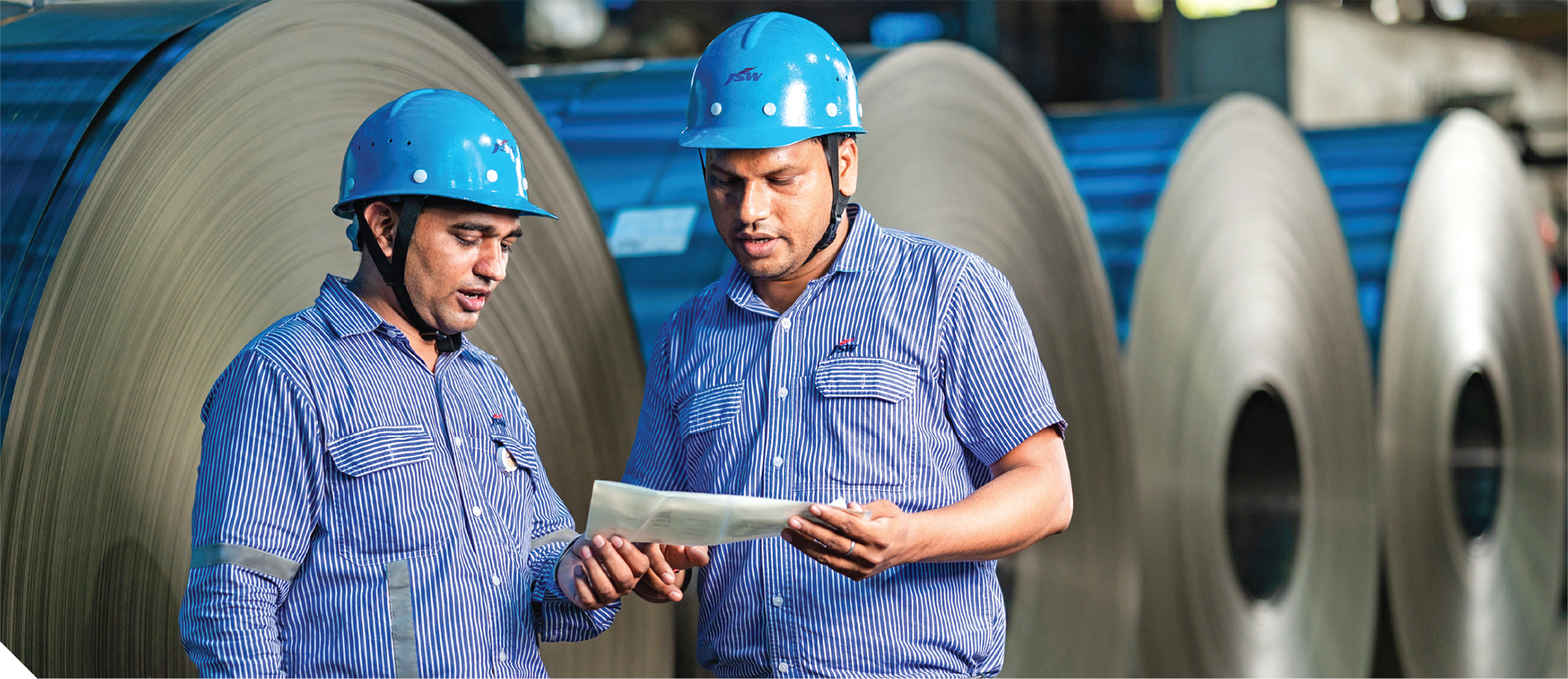
JSW Steel has emerged as India’s largest and most geographically diversified producer of the metal. The steelmaker tempered its leadership with agile operations, a diversified product portfolio, advanced technologies, strong project execution, sustainable sourcing practices, optimised conversion costs and an unflinching focus on raw material security and workforce readiness.
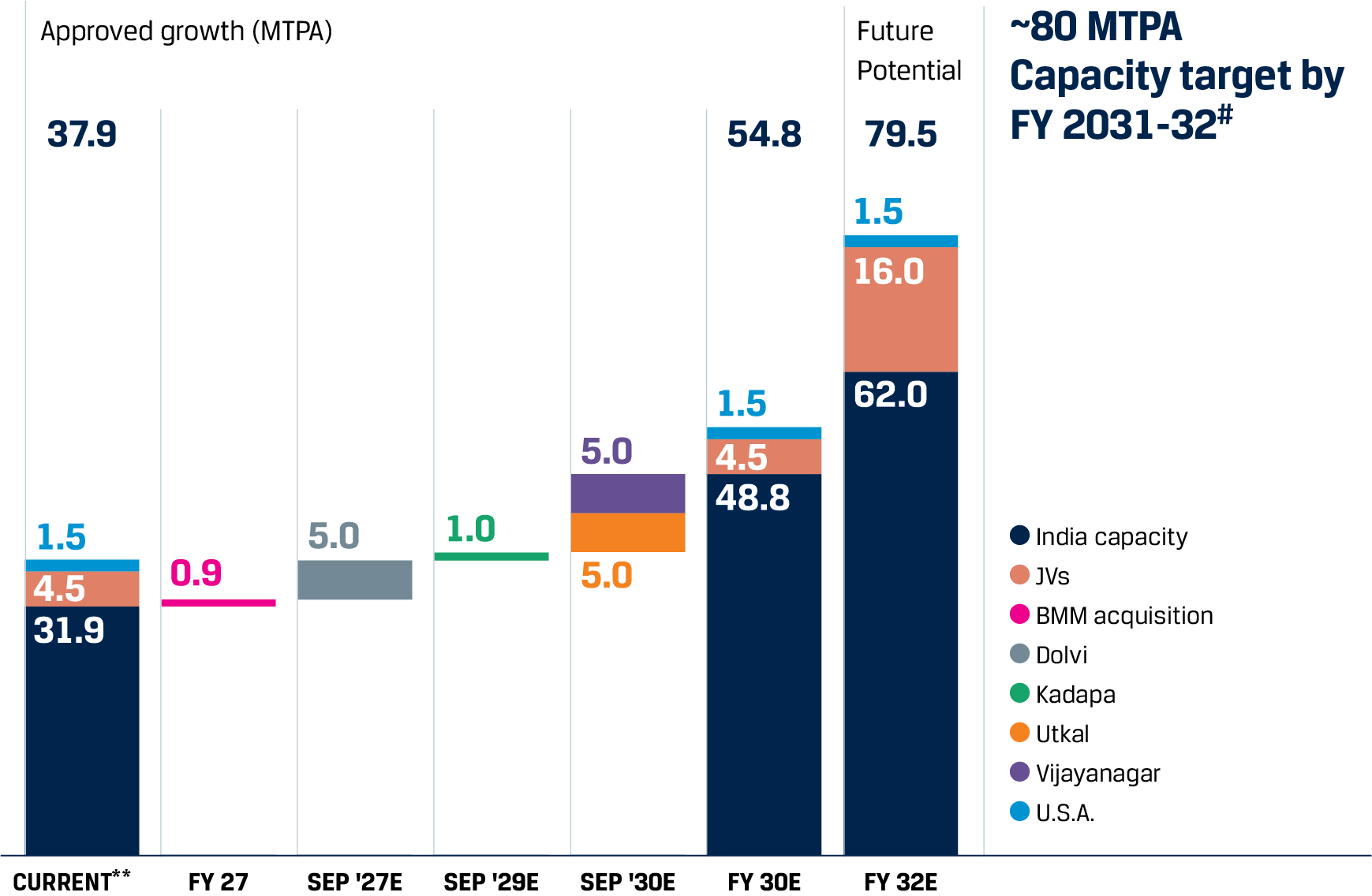
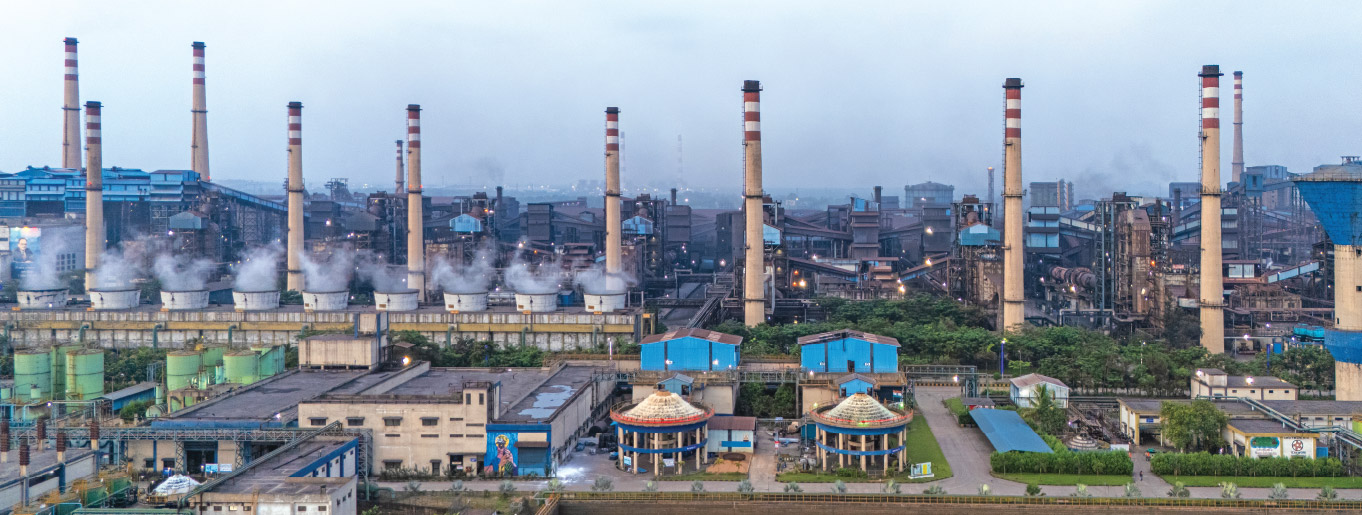
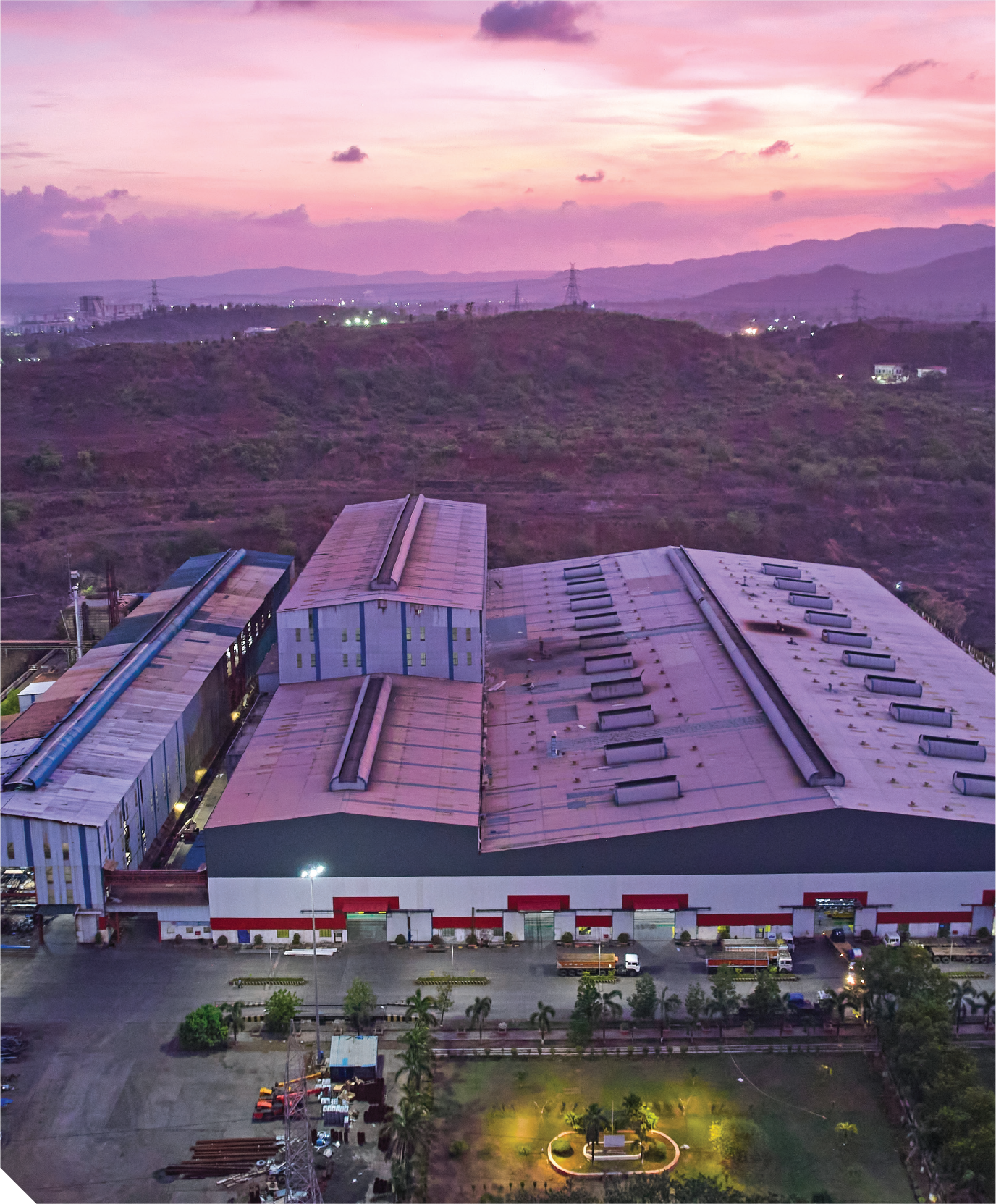
With fully integrated operations spanning across mining, raw material processing, steelmaking and downstream value-added manufacturing, JSW Steel has grown from a single manufacturing unit to become India’s leading integrated steel company with a consolidated crude steel capacity of 33.4 MTPA and 4.5 MTPA through the JSW JFE Steel JV. It continues to pursue a calibrated growth strategy, with consolidated capacity targeted to increase to 50.3 MTPA by FY 2029-30 and further to 63.5 MTPA by FY 2031-32. Joint Venture capacity is also expected to scale up to 16 MTPA by FY 2031-32 driven by planned expansion initiatives. The Company’s plant in Vijayanagar, Karnataka is the largest single-location steelproducing facility in India with a current capacity of 19.5 MTPA.**
Numbers at a glance
WSD’s World-Class Steelmaker ranking
Global ranking on production volumes
Combined installed capacity#
Combined production in FY 2025-26*
In FY 2025-26, JSW Steel continued to use strategic partnerships and selective acquisitions to strengthen its value-added portfolio, deepen technology capabilities and expand capacity in a capital-efficient manner.
A key milestone during the year was the formalisation of the Company’s next phase of collaboration with Japan’s JFE Steel Corporation through a 50:50 joint venture for the steel business undertaking of Bhushan Power & Steel Limited (BPSL). Under this structure, JSW Steel transferred BPSL’s steel business to a dedicated subsidiary to facilitate the joint venture, with JFE committing equity investment for a 50% stake and the partners targeting a meaningful scale-up of the Odisha facility over the medium term, supported by JFE’s advanced process and product technologies.
The Company strengthened its presence in high-end electrical steels through JSW JFE Electrical Steel Private Limited (a 50:50 joint venture with JFE). Through its wholly owned subsidiary, the joint venture acquired 100% equity in thyssenkrupp Electrical Steel India Private Limited (now renamed JSW JFE Electrical Steel Nashik Private Limited) and secured the associated technology package, enabling immediate access to grain-oriented electrical steel (GOES) manufacturing and accelerating the creation of an integrated domestic value chain from production to sales.
These strategic moves are complemented by downstream and solutionsoriented joint ventures that improve customer proximity and enable higher value realisation.
JSW MI Steel Service Centre Private Limited, the Company’s joint venture with Marubeni-Itochu Steel Inc., continues to expand steel processing and just-in-time service capabilities for automotive, appliance and general engineering customers across key consumption clusters.
In structural steel solutions, JSW Severfield Structures Limited (a joint venture with Severfield plc, U.K.) supports the growing demand for faster, steel-intensive construction through precision fabrication and erection capabilities.
Where appropriate, the Company also evaluates partnership-led structures, including stake monetisation or dilution to bring in strategic investors, as a means to accelerate growth while maintaining a disciplined capital framework.
JSW Steel caters to a wide range of market requirements. As one of India’s leading producers of value-added steel, the Company operates among the country’s largest galvanising and coated steel capacities, export footprint to more than 100 countries.
Jsquare Electrical Steel Nashik Private Limited, a wholly owned subsidiary of JSW JFE Electrical Steel Private Limited (J2ES), which is a 50:50 joint venture between the Company and JFE Steel Corporation (JFE), has acquired 100% equity interest of Thyssenkrupp Electrical Steel India Private Limited (subsequently renamed to JSW JFE Electrical Steel Nashik Private Limited) (J2ESNPL). The associated technology package from the Thyssenkrupp group has been licensed/transferred to the Company. The total purchase consideration for the transaction (including closing adjustments) is ₹4,159 crore.
The Company’s strategic collaboration with JFE Steel of Japan enables JSW Steel to access advanced, state-of-the-art technologies to produce and offer high-value special steel products to its customers. These products are widely used across a range of industries and applications, including construction, infrastructure, automotive, electrical applications and appliances.
J2ESNPL is among the early manufacturers of grain-oriented electrical steel (GOES) in India, with a production capacity of 50,000 tonnes per annum. Its CRGO facility in Nashik, Maharashtra, provides access to advanced technology, aligning with the Company’s strategy to strengthen its value-added product portfolio.
Rolled out in February 2024, J2ES plans to develop an integrated greenfield GOES manufacturing facility by 2027. This acquisition enables immediate market entry and supports the creation of a fully integrated value chain from manufacturing to sales within the domestic market.
Share of VASP in sales mix
Increase in value-added
products sales volume
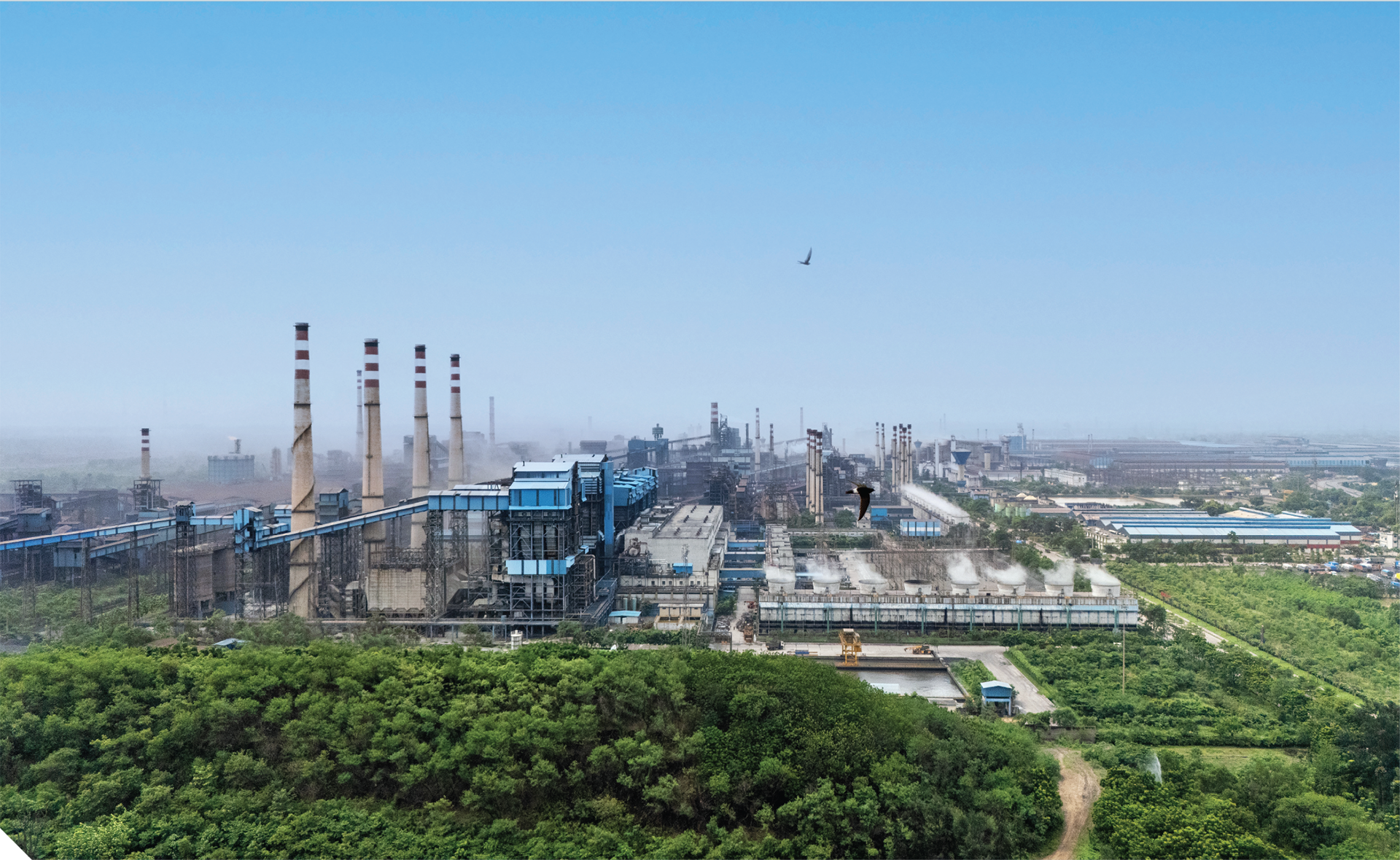
JSW Steel has turned into a global leader in conversion costs using its operational edge, strategically located facilities, advanced manufacturing capabilities, high workforce productivity and a resilient business model. As an integrated producer, the Company offers a diverse product portfolio, leveraging industryleading technologies across the value chain. Its operations span from raw material processing such as beneficiation, pelletisation and sintering to downstream value-added products, including coldrolled, galvanised and colour-coated steel. Strong connectivity through rail, road and port infrastructure ensures reliable supply and lower logistics cost of sourcing raw materials and delivering finished products.
The Company continues to reinforce its position among the lowest cost steel producers globally, anchored in its integrated manufacturing model, scale efficiencies and sustained focus on operational excellence.
Strengthening raw material integration remained a key lever for cost stability. Increase in captive iron ore consumption contributing to lower logistics costs and reduced exposure to market volatility.
Progress on the 302 km slurry pipeline project in Odisha continued during the year, which management has indicated is expected to deliver logistics cost savings of up to ₹1,000 per tonne of iron ore upon commissioning, thereby structurally enhancing cost competitiveness.
Energy optimisation initiatives further supported cost efficiencies. The Company commissioned close to 1 GW of renewable energy capacity during the year and has approvals in place for 2.5 GW of renewable generation and 320 MWh of battery storage, enabling a structurally lower energy cost base over the medium term. In parallel, the deployment of AI-enabled digital solutions across operations has improved productivity, asset reliability and maintenance effectiveness, with a potential cost saving as these initiatives scale across locations.
Collectively, these initiatives enabled the Company to partially offset volatility in steel realisations, sustain operating margins and fortify its cost competitiveness and operational resilience during FY 2025-26.
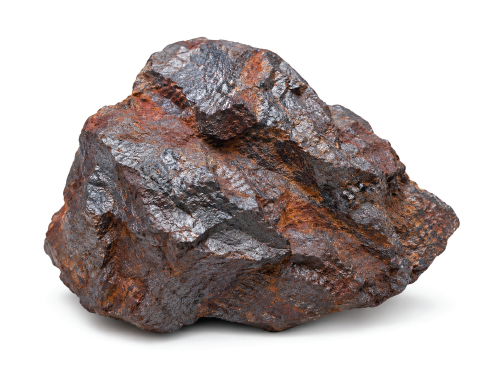
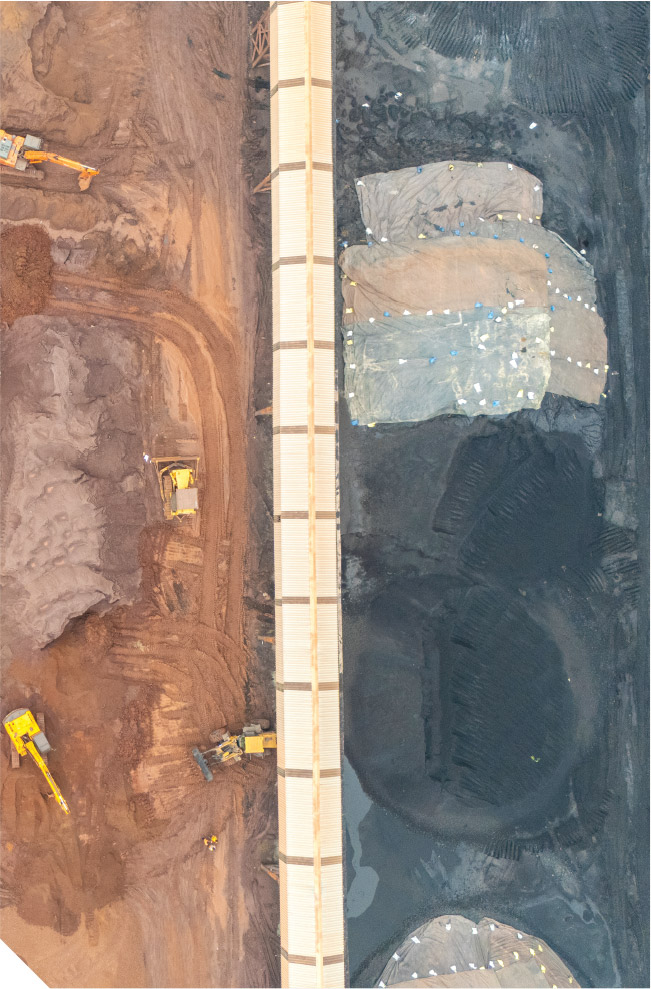
JSW Steel continued to strengthen raw material security during FY 2025-26 through accelerated operationalisation and ramp-up of captive mining assets. Iron ore production from Odisha mines— including Nuagaon, Narayanposhi and Gonua—reached 10.71 MnT during the year, exceeding planned levels, with dispatches of 8.32 MnT to support steelmaking operations.
Regulatory milestones were also achieved, including the enhancement of environmental clearance for the Narayanposhi mine from 6 MTPA to 10 MTPA, alongside plans for a large-scale beneficiation facility. These initiatives materially improved captive ore availability and reduced dependence on external procurement.
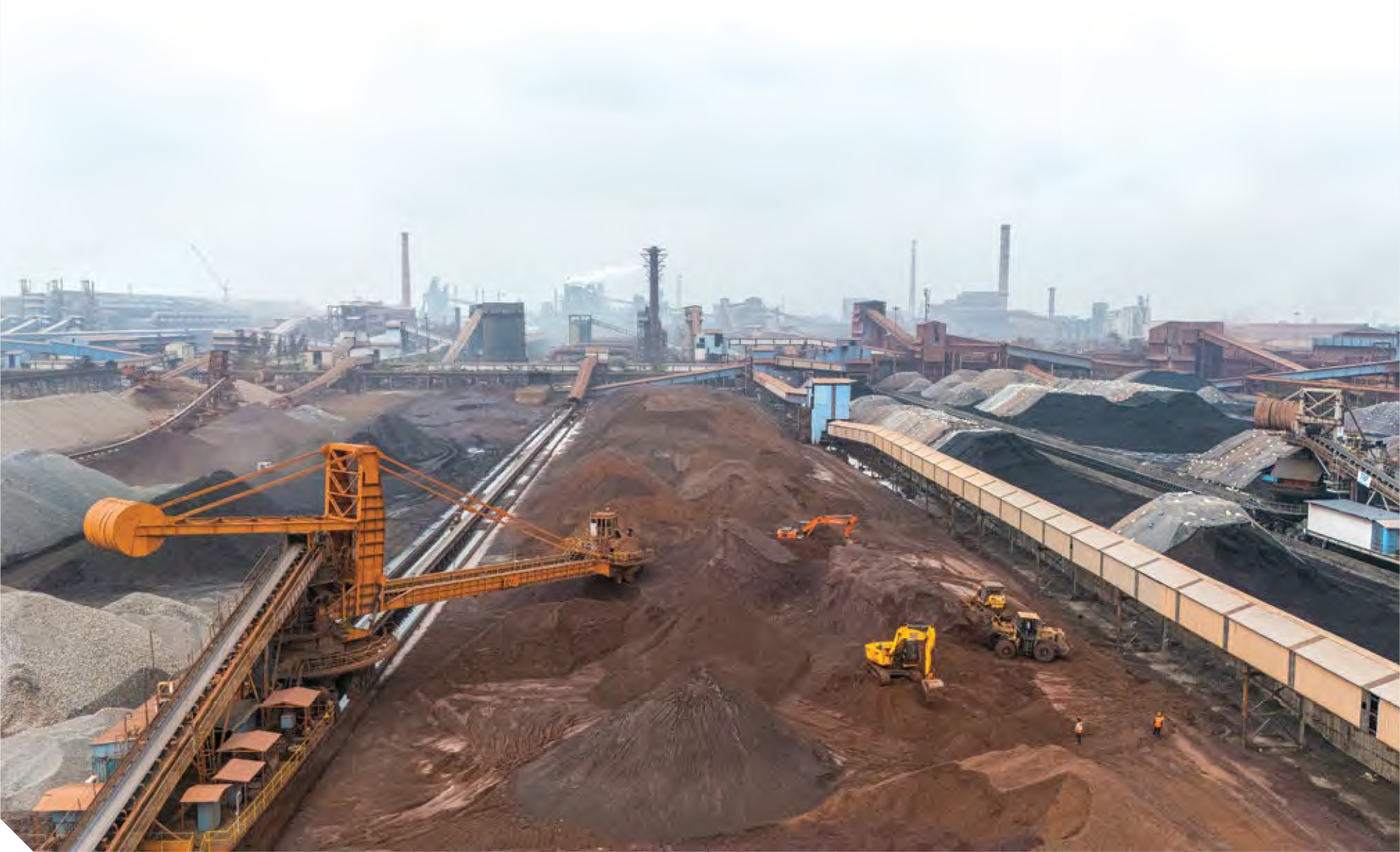
During the year, the Company also advanced geographic diversification of its mining footprint, with the commencement of operations at the Cudnem mine in Goa in November 2025. The mine produced approximately 0.5 MnT of iron ore, with around 0.3 MnT dispatched to the Dolvi facility, marking a key milestone in reviving Goa mining operations and enhancing domestic logistics-linked supply flexibility.
Integration of captive resources with steelmaking operations was further strengthened through higher utilisation of internally sourced raw materials, particularly at Vijayanagar, where the Company recorded its highest-ever receipts from captive mines. This reflects ongoing efforts to align mining output with plant requirements, supported by logistics optimisation and enhanced connectivity between mining locations and steel plants. Such integration improves supply reliability while contributing to cost efficiencies and operational resilience.
The Company firmed up its backward integration with 25 iron ore mines and four coking coal mines, enhancing self-sufficiency and reducing reliance on external sources. Out of the 25 iron ore mines, 13 are operational across Karnataka, Odisha and Goa while the rest are at various stages of development and commissioning.
JSW Steel has formalised the acquisition of the Minas de Revuboè (MdR) Coking Coal Mining Project located in the Moatize coal basin, Tete Province, Mozambique. The MdR mine holds 850 MnT of reserves, with the potential to yield 250 MnT of usable coking coal. The mine will be developed in phases, with the first phase targeted for completion by mid-CY 2028, producing around 5 MTPA of usable coking coal. This marks a significant step in JSW Steel’s Global Raw Material Strategy and India-Mozambique Economic Cooperation. The MdR project is deemed a strategic asset as it provides JSW Steel access to substantial reserves of premium hard coking coal, a key raw material necessary for high-quality steel manufacturing. This long-term supply assurance is expected to provide cost-effective inputs, reducing dependence on other imported coking coal and optimising cost structure over the long term.
JSW Steel has significantly bolstered its position in the Australian metallurgical coal sector by increasing its stake in the Illawarra Coal operations. The transaction involves JSW Steel increasing its stake in the M Res HCC joint venture from 66.7% to 83.3%, to increase its effective economic interest in Illawarra coking coal from approximately 20% to 30%. These mines produce premium hard coking coal.
In parallel, statutory clearances were secured for coking coal assets in Jharkhand, supporting planned operationalisation in subsequent periods and strengthening long-term coking coal security.
In addition to FY 2025-26 execution, the Company continued to build medium-term resource security through capacity augmentation and pipeline development across mining assets. These include beneficiation expansion plans, new mining blocks and infrastructure initiatives to support evacuation and processing. JSW Steel is progressing towards increasing the share of captive raw materials in its overall consumption mix over the medium term, thereby reducing exposure to global price volatility and ensuring sustained support to its long-term capacity expansion strategy.
JSW Steel has set a target of meeting about 50% of its iron ore and its coking coal requirements from captive sources, This will be achieved by actively participating in auction of mining assets, by setting up domestic linkages with auctioned coking coal assets, and by acquiring coal washeries to improve quality and supply reliability.
Steelmaking contributes 7-9% of global greenhouse gas emissions and acts as a primary industrial source of air pollution, water contamination, and solid waste.
Evolving global regulations are increasingly driving the demand for steel with a lower carbon footprint, setting the $77.46 billion global market for green steel on a 55.6% annual growth trajectory to reach $129.08 billion by 2034, according to media reports.
What plays behind this growth is the orchestrated effort of most major economies to limit the rise of global temperature below 2 degrees Celsius, if not within 1.5 degrees, as was set by the Paris Agreement.
More than 130 countries have adopted net-zero targets, collectively covering approximately three-quarters of global greenhouse gas emissions. While the US, EU and UK have set the deadline for 2050, China has the target for 2060 and India for 2070. Additionally, measures such as the European Union’s Carbon Border Adjustment Mechanism (CBAM) are expected to accelerate the growth in global green steel market. In the near term, public sector and infrastructure projects are also likely to progressively mandate the procurement of low-carbon steel.
In alignment with India's commitment to achieve net-zero emissions by 2070, JSW Steel has embarked on a US$1 billion decarbonisation programme, targeting a 42% reduction in CO2 emissions intensity by 2030 and net neutral in carbon emissions across all operations under direct control by 2050. The Company is backing its green steel efforts by actively integrating clean energy sources into its operations and exploring innovative solutions across manufacturing and logistics. By optimising its energy mix and increasing the share of renewables, JSW Steel is shrinking its carbon footprint while reaffirming its resilience against energy price volatility and evolving regulatory landscapes. This transition is further backed by cost efficiency, as renewable energy offers a competitive alternative to conventional thermal power.
Keeping up its commitment to helping India reach its Net Zero target, JSW Steel has commissioned a pilot project for green hydrogen at Vijayanagar, which is expected to offer a strategic advantage to support future scale-up and low-carbon steelmaking initiatives.
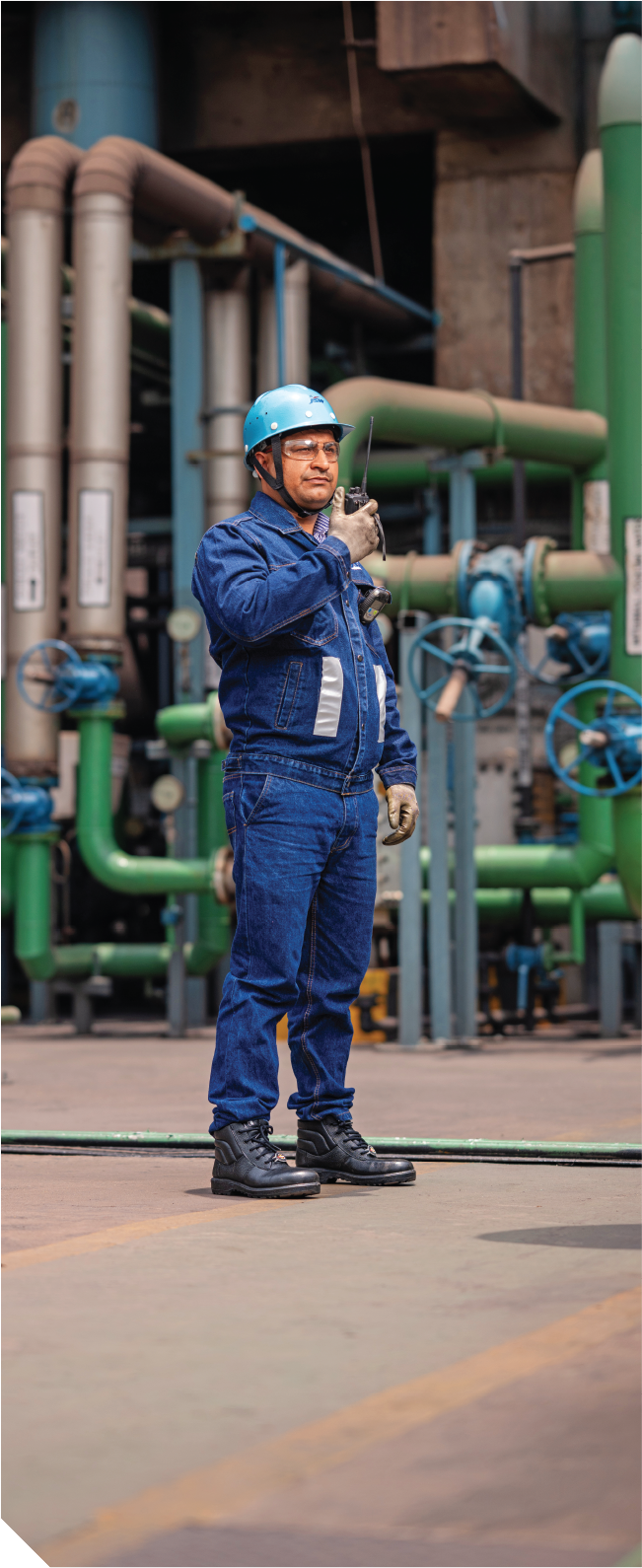
JSW Steel continues to embed sustainability as a core pillar of its value creation strategy, aligning business growth with climate responsibility, resource efficiency and long-term resilience. The Company's enterprisewide Sustainability Framework integrates climate action, water stewardship, circularity, biodiversity and social impact into operational decision-making, supported by strong governance through Board-level oversight and executive monitoring mechanisms.
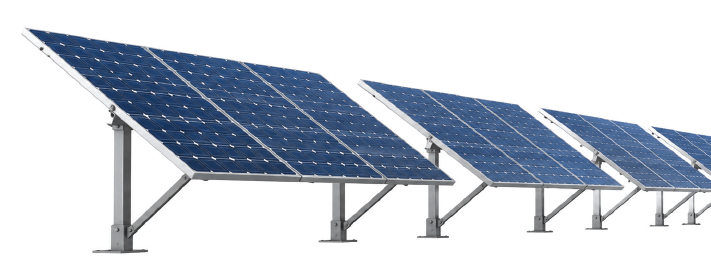
Through a US$1 billion investment programme, the Company is systematically transforming its operating model to reduce carbon intensity, enhance resource efficiency and prepare for the evolving low-carbon steel market. With a target emissions intensity of 1.95 tCO2/tcs by 2030 and net neutral in carbon emissions across all operations under direct control by 2050, JSW Steel continues to embed decarbonisation into capital allocation, technology investments and operational excellence initiatives. During FY 2025-26, implementation of the SEED programme, renewable energy integration, process optimisation and digital interventions supported continued progress, resulting in an emissions intensity of approximately 2.36 tCO2/tcs and further strengthening the Company's transition pathway toward low-carbon steelmaking.
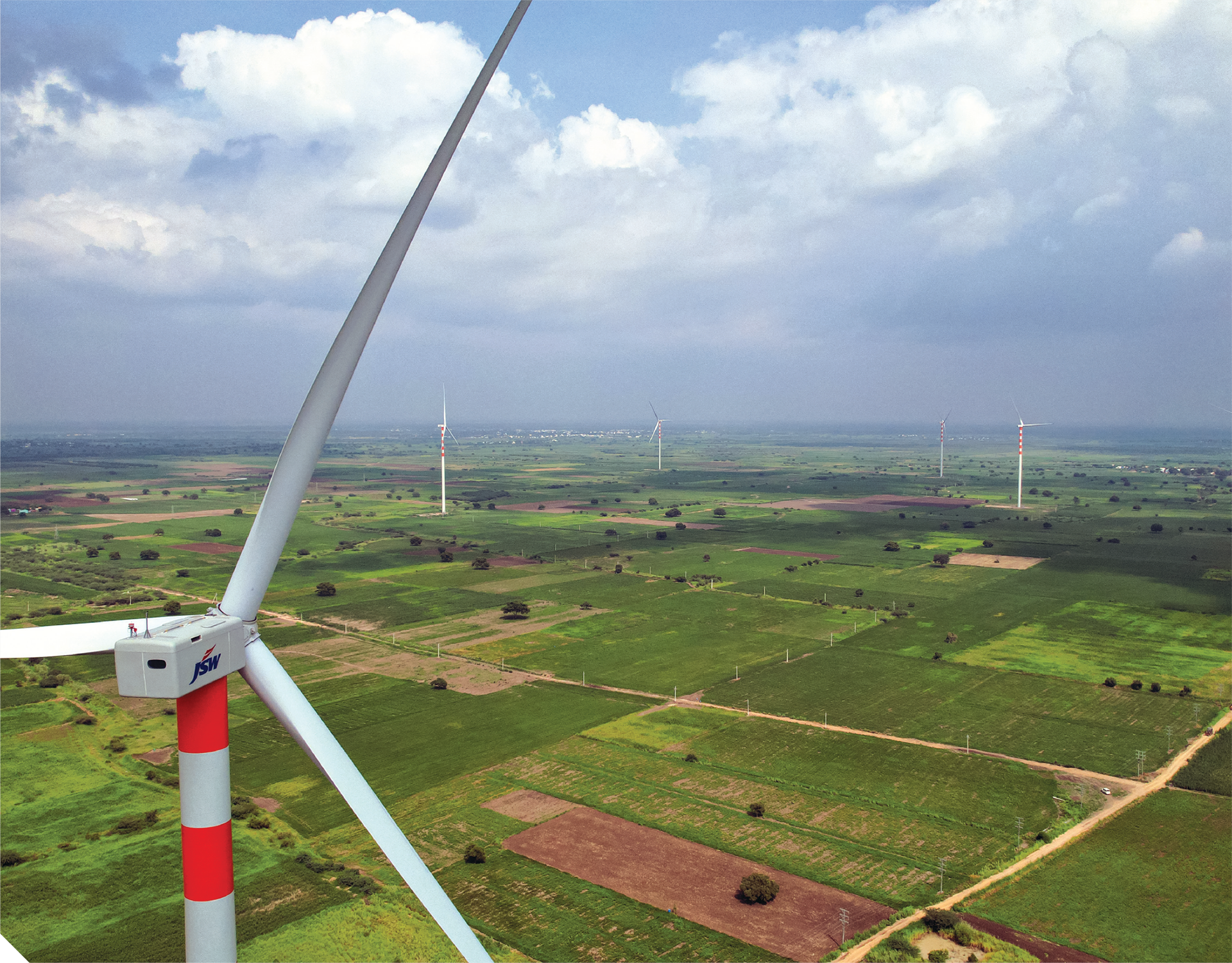
The Company made significant progress in accelerating its shift towards a low-carbon energy mix. During FY 2025-26 with:
Cumulative commissioned renewable capacity reached
Approved pipeline expansion completed of renewable capacity along with 320 MWh battery storage
This transition delivered tangible outcomes such as:
Of CO2 emissions avoided
Reduction in thermal coal consumption
Renewable integration is being complemented by waste heat recovery, process gas utilisation and biomass substitution, enabling a diversified and cost-efficient energy portfolio. These initiatives not only reduce carbon exposure but also strengthen resilience against energy price volatility and emerging carbon regulation regimes, including mechanisms such as CBAM.
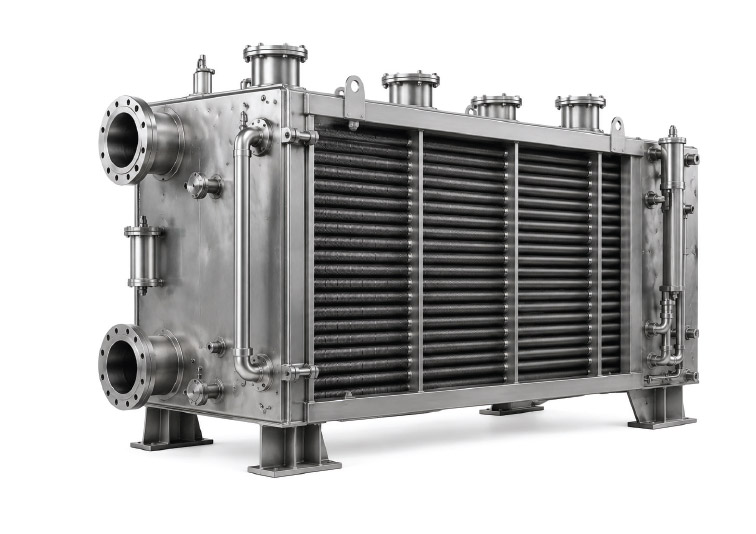
JSW Steel continues to invest in next-generation decarbonisation pathways. During the year, the Company operationalised India’s largest commercialscale green hydrogen application in steelmaking at Vijayanagar, marking a critical step towards future-ready, low-carbon steel production.
In parallel, the Company is advancing pilots in carbon capture, utilisation and storage (CCUS), alongside continued digitalisation and AI-driven optimisation to enhance energy and process efficiency at scale.
Sustainability efforts extend beyond carbon to broader resource stewardship:
These measures contribute to lowering environmental footprint while improving operational efficiency and cost competitiveness.
JSW Steel is committed to fostering a dynamic and engaging workplace where talent is recognised, nurtured and empowered to deliver operational excellence and sustainable growth. As an equal opportunity employer, the Company promotes a culture of diversity and inclusion.
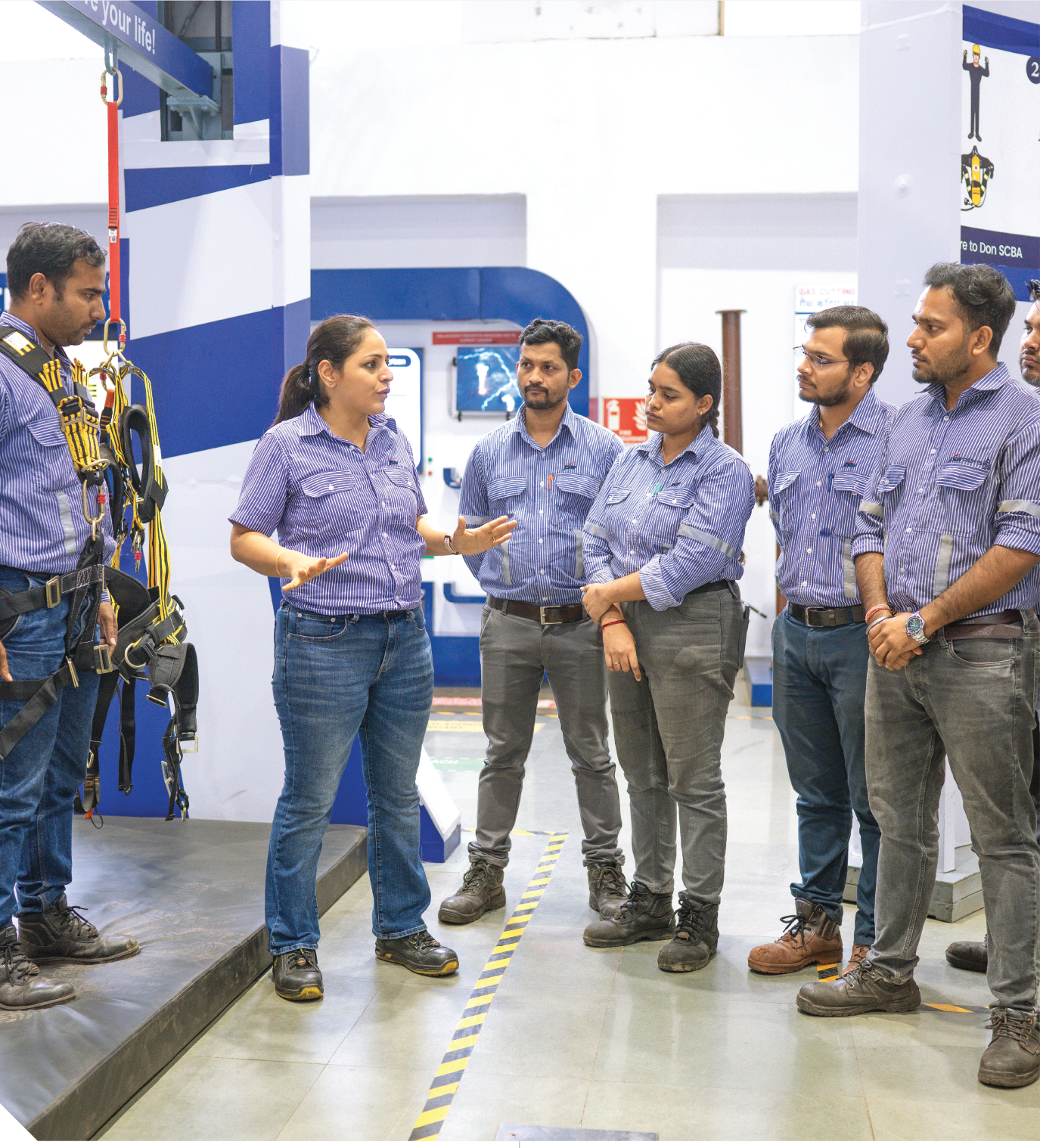
Safety remains a core, non-negotiable value, embedded in all decisions and operations. The Company’s talent strategy focuses on building a future-ready leadership by identifying high-potential individuals, mapping their core strengths and ensuring robust succession planning.
Read more about socialThe Company’s sustainability performance continues to be recognised globally:
Steel company globally in the S&P Corporate Sustainability Assessment (CSA 2025)
Consecutively recognised as a worldsteel Sustainability Champion
Of Domestic production covered under ResponsibleSteelTM certification
Dow Jones Best-in-Class Indices (World and Emerging Markets)
Robust governance mechanisms including Board-level oversight, executive review forums and dedicated climate action groups ensure disciplined execution, transparency and alignment with global ESG expectations.
Through a combination of renewable scale-up, operational excellence, innovation-led decarbonisation and strong governance, JSW Steel is positioning itself as a leader in the transition towards low-carbon steel, while reinforcing long-term competitiveness, regulatory preparedness, and sustainable value creation.
Read more about environmentContinue reading:
2.0 Economic Review →
Over the past few years, the world has faced several challenges across multiple fronts. While the Russia-Ukraine conflict continued to simmer, tariff barriers between major economies kept the business environment volatile, creating uncertainty across sectors.
The global economy, however, showed resilience and inched up to 3.4% growth in 2025, keeping up the momentum from the previous year. Policy support in key economies, including rate cuts by central banks amidst easing inflationary headwinds and lower-than-anticipated impact of US tariffs supported growth.
The business environment remained volatile as changing tariff rates and shifting announcements caused frontloading of trade in different phases. Another key support to growth came from a spurt in tech sector investments, particularly in the US, which spurred trade of related products. World trade volume (of goods and services) grew 5.1% in 2025, picking up pace from 3.5% in the previous year.
Capital inflow into technology sector helped the US economy grow 2.1% in 2025, though the momentum slowed down towards the end of the year because of a 43-day government shutdown. Increased fiscal spending and easy monetary policy helped the Euro area to record an accelerated growth of 1.4%. China recorded a 5% growth sticking to its target for the year, despite sustained weakness in the property market, thanks to resilient exports and government measures to boost consumption. When the US-bound shipments reduced, China diversified exports to other regions, leading to a robust 5.5% growth in its merchandise exports.

| 2024 | 2025 (E) | 2026 (F) | 2027 (F) | |
|---|---|---|---|---|
| World | 3.4 | 3.4 | 3.1 | 3.2 |
| Advanced Economies | 1.8 | 1.9 | 1.8 | 1.7 |
| - US | 2.8 | 2.1 | 2.3 | 2.1 |
| - Euro Area | 0.9 | 1.4 | 1.1 | 1.2 |
| Emerging Market and Developing Economies | 4.5 | 4.4 | 3.9 | 4.2 |
| - China | 5.0 | 5.0 | 4.4 | 4.0 |
| India (FY) | 7.1 | 7.7 | 6.5 | 6.5 |

A growing crisis in the Middle East escalated significantly by February 2026, clouding the world economic outlook, threatening to derail the growth momentum of the previous two years. In this backdrop, the IMF's April 2026 World Economic Outlook, ‘Global Economy in the Shadow of War’, forecast that the global growth would slow down to 3.1% in 2026 from 3.4% a year back.
The reference scenario assumes that the conflict turns out to be short-lived and that average crude oil price for the year settles into low 80s (dollar a barrel). If this assumption does not play out and the conflict or its after-effects drag on longer, then there is a substantial downside risk to the growth projections. The IMF forecasts for 2026 indicate a more pronounced slowdown in Emerging Markets and Developing Economies than in the Advanced Economies.
The conflict has impacted the world economy through various channels. The supply shock, particularly impacting the trade flows and production of oil, gas and derivative products, has been severe, causing spikes in energy prices and logistics costs, as well as many secondary quantity and price effects for various commodities down the value chain, including fertilisers, metal products, and packaging materials.
These effects are likely to reverse in a gradual manner, after the end of military operations, with likely continuation of some geopolitical risk premium into market prices and the lingering effect of physical damages suffered by energy facilities and certain industries in the region during the war.
The supply shock has stalled the process of wind-down of inflationary pressures caused by the previous supply chain disruption following the pandemic and then the Ukraine war. The IMF has projected global headline inflation to increase from 4.1% in 2025 to 4.4% in 2026. Inflationary risks during the crisis caused bond yields to harden and monetary policy expectations to turn cautious. While the US Fed was previously expected to continue lowering its policy rate (having cut the policy rate by 75 basis points in 2025), those expectations have been diluted after the war began.
Growth and economic activity is likely to suffer due to direct hit to operations in the Middle East (which accounts for 6%+ of the global economy in purchasing power parity terms), slowdown in exports to the region, supply chain disruptions in other parts of the world (particularly, Asia) due to reduced imports from the region, implications of inflation for demand, impact on tourism and related activities and implications of weak financial market sentiment and fragile risk appetite on investments and consumption. Duration of the crisis and the time taken for normalisation of the supply chains are, therefore, a critical determinant of the economic outlook for 2026 and beyond.
After the US Supreme Court in February 2026 ruled illegal the so-called ‘reciprocal tariffs’ slapped in 2025, the US government replaced those tariffs with tariffs under other legal provisions and launched trade investigations to restore the earlier rates that differed across countries. This has created a window of about 4-5 months, during which the country’s average effective tariff rate has reduced and tariff level is broadly similar for imports from different countries. While tariffs continue to impact the world economy, their impact has been somewhat diluted in 2026 by this.
But it has not been all about uncertainties. There have been some supportive factors for the global economy such as lagged effects of the rate cuts effected earlier in the US and Euro area, momentum of technology sector investments that would lead to productivity gains, and broadly supportive fiscal policies. Fiscal boost from tax incentives in the US, ramping up of infrastructure and defence spending in Europe and fiscal stimulus announced by Japan’s new government are expected to dilute the impact of war. As and when the ongoing military conflicts end, reconstruction of damaged infrastructure could provide impetus to economic activities.
Beijing has laid out supportive policies to back the Chinese government’s 2026 growth target of 4.5-5%. Early data trends during 2026 suggest recovery in the country’s fixed asset investments and strong industrial growth.

Indian economy defied the global trends, recorded strong growth of 7.7% in FY 2025-26, surpassing the 7.1% expansion in the previous year, according to the advance estimates of the National Statistical Organisation. Private consumption and capital formation both recorded improved performance. Consumption was helped by supportive policy framework, with personal income tax concessions for the middle class and rationalisation of GST rates, the latter especially helping the economy in the second half of the year.
Imposition of steep US tariffs affected merchandise exports, which recorded a minor increase during the year. Services exports, however, recorded a robust growth. Although current account deficit widened to some extent, it remained at a comfortable level.
Capital expenditure by the central and state governments expanded in FY 2025- 26, maintaining the momentum of public capex for infrastructure sectors. Fiscal consolidation continued, with the Centre’s fiscal deficit narrowing to an estimated 4.4% of the GDP, with tighter control on non-capex spending.
Inflation moderated substantially to the lower end of the RBI’s tolerance band, averaging just above 2% during the year. GST rate cuts and moderation of food inflation contributed to the low inflation outcome, providing policy space for the RBI to cut its key repo rate by 100 basis points during the year. The rate cuts were front-loaded in the first quarter.
| FY 2023-24 | FY 2024-25 | FY 2025-26 (E) | FY 2026-27 (F) | |
|---|---|---|---|---|
| GDP (% y-o-y) | 7.2 | 7.1 | 7.7 | 6.9 |
| Private Final Consumption (% y-o-y) | 5.8 | 5.8 | 7.7 | 7.0 |
| Gross Fixed Capital Formation (% y-o-y) | 7.3 | 6.4 | 7.1 | 7.1 |
| Industrial Production (% y-o-y) | 5.9 | 4.1 | 4.1 | ... |
| Manufacturing Production (% y-o-y) | 5.5 | 4.1 | 5.0 | ... |
| Consumer Inflation (% y-o-y) | 5.4 | 4.6 | 2.1 | 4.5 |
| Centre’s Fiscal Deficit (% of GDP) | 5.5 | 4.8 | 4.4 | 4.3 |
| Current Account Deficit (% of GDP) | 0.7 | 0.6 | 1.0 | 1.5 |
| Centre’s Capex (₹ trillion) | 9.5 | 10.5 | 11.0 | 12.2 |
| Merchandise Exports ($ billion) | 437 | 438 | 442 | 460 |
| Services Exports ($ billion) | 341 | 388 | 418 | … |
The Indian economy continued on a strong footing with robust growth momentum and low inflation until the Middle East crisis flared up. The strong fundamentals helped the economy navigate through the effects of the crisis, related to supply chain disruptions and export challenges. The government has undertaken several policy measures to absorb some of the pricing effects and support exporters.
The crisis is likely to hit the growth momentum, increase inflationary risks and widen the current account deficit. The RBI has projected the economic growth to slow down to 6.9% in FY 2026-27 after three straight years of over 7% growth. While there is significant uncertainty with regard to the intensity and duration of the after-effects of the crisis, current projections indicate inflation rising above 4% and current account deficit widening to about 1.5% of the GDP. These shifts are directionally adverse, but the projected levels are still short of the levels that have caused macroeconomic instability in the past, and thus underscore the advantage of strong fundamentals at the outset of the crisis.
The Indian Meteorological Department (IMD), in its preliminary assessment, has forecast below-normal monsoon rainfall in 2026 because of El-Niño effects. This poses some risks to the outlook for agriculture and rural economy, after a robust trend in rural indicators in recent quarters.
Notwithstanding the near-term headwinds, India’s medium-term growth prospects continue to be encouraging. Recent economic reforms, including labour codes and GST rationalisation, bolster the competitiveness of Indian industries. The momentum of public capex continues, with the government budgeting 11.5% growth in capex to ₹12.2 trillion in FY 2026-27. The backdrop for private capex continues to be favourable, with healthy balance sheets, pick-up in credit growth and improving capacity utilisation levels.
Conclusion of recent trade deals such as those with the UK, EU and the UAE and potentially one with the US, augur well for India’s exports, particularly of labour-intensive manufacturing sectors.
These developments, together with the structural factors of urbanisation, demography and expanding middle class, place India firmly on the path towards Viksit Bharat, despite a possible dent to growth in FY 2026-27.
Global finished steel consumption declined by 1.9% in 2025 to 1,718 MnT, deepening from a 1.5% decline a year back, triggered by a 7.1% drop in demand from China, following a 5.4% contraction in the previous year.
A structural contraction in China’s realty market has been weighing on the global steel market, though consumption outside China grew, making up 54% of the world demand in 2025, up from 51% a year ago.
The consumption share of world ex-China in 2025 was the highest since 2016. A spurt in consumption in India too contributed significantly to this. The incremental consumption in India made up nearly 43% of the growth in finished steel demand from the world outside China in 2025.
Steel consumption in the developed economies increased marginally by 0.2% to 360.5 MnT in 2025. Although a modest growth, it was significant as the market showed recovery after three years of decline. Consumption in Europe (EU27 and UK) increased 3.8% and, in the US by 2%.
In line with the consumption trend, global crude steel production dipped 1.9% in 2025 to 1,850 MnT with production in China going down 4.4%.
The demand-supply dynamics in China has led to the already-elevated exports from the country rising further, impacting prices.
Trade actions in the steel industry, on the other hand, continued to deepen and widen. The US raised tariffs on steel under Section 232 to 50% in June 2025 and expanded the scope of Section 232 tariffs to several downstream products. The European Union, on its part, recently announced a 47% cut in steel import quota and doubled the out-of-quota tariff to 50%. According to the Global Forum on Steel Excess Capacity (GFSEC), 64 steel trade remedy measures were initiated across countries in the first three quarters of 2025, including 54 antidumping measures.
The EU’s Carbon Border Adjustment Mechanism (CBAM) entered its definitive phase in January 2026, transitioning from a reporting phase to requiring importers to pay for embedded emissions. Plan to expand the scope of CBAM to include specific downstream products, starting January 2028, has also been announced.
| 2023 | 2024 | 2025 | 2026 (F) | y-o-y % | |
|---|---|---|---|---|---|
| World | 1,778.5 | 1,751.1 | 1,718.2 | 1,724.1 | 0.3 |
| China | 905.1 | 856.6 | 796.0 | 784.1 | -1.5 |
| India | 132.8 | 147.9 | 159.8 | 171.6 | 7.4 |
| Developed Economies | 356.2 | 348.3 | 348.8 | 352.5 | 1.0 |
| World ex-China | 873.4 | 894.5 | 922.2 | 940.1 | 1.9 |
| 2022 | 2023 | 2024 | 2025 | y-o-y % | |
|---|---|---|---|---|---|
| World | 1,889.3 | 1,904.1 | 1,886.4 | 1,850.2 | -1.9 |
| China | 1,018.0 | 1,028.9 | 1,005.1 | 960.8 | -4.4 |
| India | 125.4 | 140.8 | 149.4 | 164.5 | 10.4 |
| US | 80.5 | 81.4 | 79.5 | 81.9 | 3.1 |
| Japan | 89.2 | 87.0 | 84.0 | 80.7 | -4.0 |
| EU-27 and UK | 141.2 | 130.9 | 132.7 | 127.5 | -3.9 |
| World ex-China | 871.3 | 875.3 | 881.7 | 889.4 | 0.9 |
Following two years of decline in global consumption, the World Steel Association (WSA) projects a modest 0.3% growth in consumption to 1,724 MnT in 2026. The calculation is based on the assumption that the Middle East crisis resolves by the middle of the year. The WSA has also underlined that major steel markets in the world are not being impacted by the direct spillovers of the crisis. The WSA has projected a more pronounced growth of 2.2% in 2027.
Looking back at China, there could be a gradual narrowing of the contraction in steel demand in 2026, with the housing market correction nearing its bottom. China's exports and industrial production held well in 2025, despite the tariffs, and showed resilience in the beginning of 2026. Infrastructure investments in China too are expected to grow, making the non-property steel demand trend relatively stronger, and thereby blunting the impact of housing market correction, which itself could be narrower.
China's anti-involution policies, launched last year across sectors including steel, along with the imposition of export licensing rules in January 2026, are likely to continue, guiding the industry towards capping production and discouraging capacity additions.
In the world outside China, steel demand is projected to rise 1.9% in 2026, with India emerging as a major contributor, making up nearly two-thirds of the demand growth, thanks to its strong domestic drivers.
Among other developing economies, consumption in the Middle East is projected to decline from 61.8 MnT in 2025 to 57.3 MnT in 2026, because of the regional conflict. Structural growth momentum in Africa is likely to continue, albeit from a smaller base.
Steel demand in the developed world is expected to grow in 2026, signalling further recovery from a period of slump in the post-pandemic period. Strong technology investments in the US and increased funding in public infrastructure in the US and in Europe, will be the underlying factors for this recovery.

On a financial year average basis, the prices of steel and its key raw materials softened in FY 2025-26, compared to the previous fiscal. This reflected broadly lower global steel demand, as well as rising exports of steel from China.
Shipments of steel and semi-finished products from China increased from 117 MnT in 2024 to 134 MnT in 2025, creating significant pressure on regional prices. On the other hand, steel prices remained relatively better in developed economies resorting to trade measures.
There were significant variations in steel and raw material prices within FY 2025-26, with the year beginning at lower levels, followed by some recovery in the second half after the anti-involution policies in China came into play, weather-related disruptions to supply from Australia and higher inventory build-up of iron ore by China.
Towards the end of the fiscal, the Middle East crisis began exerting upward pressure on prices, with higher logistics costs, certain supply chain effects and macro-level inflationary concerns, particularly with regard to the energy inputs – which could lead to higher mining costs.
As these effects remain in force and given the higher starting level, FY 2026-27 is likely to witness some recovery in prices, albeit alongside cost pressure. China’s continued anti-involution stance and supportive outlook for steel consumption in non-property sectors are expected to pull back China’s exports, to some extent, from the elevated level of 2025. Beyond the crisis-related factors, iron ore prices are likely to witness downward pressure with additional supplies expected from Africa.
On the home turf in India, steel prices recovered in the last quarter of FY 2025-26 after the finalisation of the Safeguard Duty in end-December 2025, and reflecting input cost pressures and robust local demand. With widening and deepening of trade measures across economies, the threat of diversion of exports to India persists due to global overcapacity, particularly amid significant demand destruction in the neighbourhood due to the Middle East war.
| FY 2024-25 | FY 2025-26 | Variation | |
|---|---|---|---|
| HRC (Fob-China) ($/t) | 486 | 459 | -5% |
| HRC (CIF-EU) ($/t) | 602 | 584 | -3% |
| Iron ore (CFR-China) ($/dmt) | 105 | 102 | -2% |
| PLV Hard Coking Coal (Fob, Aus) ($/t) | 210 | 200 | -5% |
| 2025 (E) | 2026 (F) | 2027 (F) | |
|---|---|---|---|
| Iron ore | |||
| Imports – China | 1,245 | 1,194 | 1,188 |
| Exports – Australia | 915 | 923 | 934 |
| Exports – Brazil | 398 | 414 | 427 |
| Exports - Africa | 94 | 115 | 144 |
| Metallurgical coal | |||
| Imports – China | 115 | 109 | 103 |
| Exports – India | 78 | 81 | 85 |
| Exports – Australia | 146 | 157 | 160 |
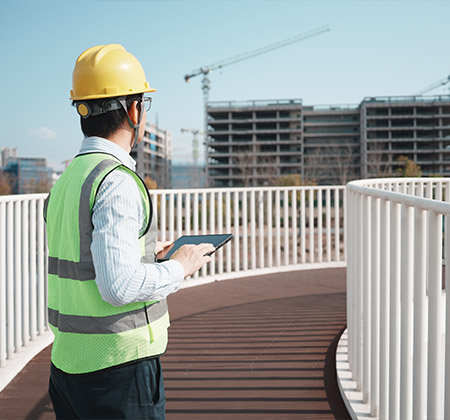
Pent-up demand in some of the key residential markets in developed economies and past rate cuts are supportive factors. But inflationary pressures are narrowing the space for further rate cuts. China’s property market contraction may narrow, with some help from supportive policies. Infrastructure-related construction demand outlook remains positive across most economies; this could potentially increase as and when the ongoing conflicts end and reconstruction activity begins in affected zones.
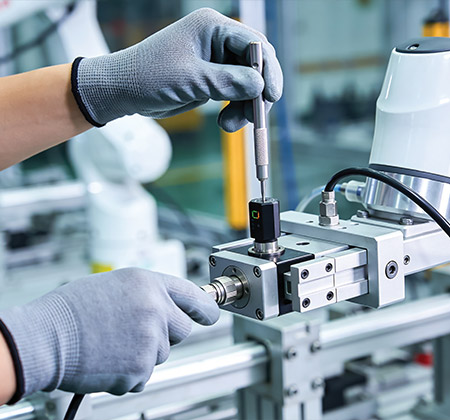
Outlook for manufacturing sector is somewhat mixed. A significant spurt in technology-sector investments and trade in related goods is likely to continue into 2026 as well. However, supply chain disruptions following the Middle East war may continue to impact manufacturing sectors for a while, and fade only gradually.
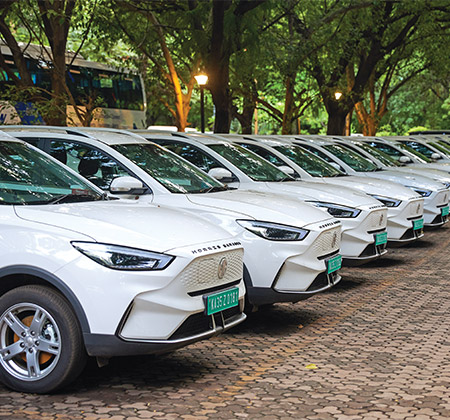
The phase-out of incentives for electrical vehicles in some markets and the impact of the Middle East crisis and inflationary pressures on consumer confidence are key headwinds for the automotive sector. However, the structural positives related to increasing penetration in developing economies and increased commercial case for electrification of vehicles, will remain in force.
The Indian steel industry put up a strong performance in FY 2025-26, consolidating its position as the world’s secondlargest producer while navigating global uncertainties and price pressures.
Growth in steel consumption remained healthy in India at 7.9% in FY 2025-26, following four consecutive years of double-digit growth. The strong demand led to the country’s steel consumption beyond 164 MnT during the year under review, while the per capita consumption crossed 115 kg. Both flat and long products (excluding stainless steel) recorded similar growth of 8.3% in FY 2025-26.
In the first half of the year, growth in government capex remained strong, while the second half was marked by a strong momentum in automobile and other consuming sectors that gained from GST reforms. The last quarter of the year saw a strong momentum, with consumption growing 10.5%.
Steel production outpaced consumption during the year with new capacities going on stream and crude steel output increasing by 11%. Growth in iron ore output lagged at 7.4%, leading to a sharp spurt in imports of iron ore, though from a small base.
Steel exports recovered in FY 2025-26, erasing much of the decline seen in the previous year. Imports, on the other hand, declined after the imposition of safeguard duty. India’s trade in steel was broadly balanced in FY 2025-26 after two years of being a net importer and recorded a small net export.
| FY 2023-24 | FY 2024-25 | FY 2025-26 | |
|---|---|---|---|
| Crude steel production | 144.3 | 144.3 | 169.3 |
| Finished steel production | 139.2 | 146.7 | 161.7 |
| Import* | 9.6 | 10.5 | 8.2 |
| Export* | 8.5 | 6.3 | 8.3 |
| Consumption | 136.3 | 152.1 | 164.2 |
| Consumption per capita (kg) | 97.7 | 108.0 | 115.5 |
India continues to be a key driver of growth in the global steel industry. With strong prospects for steel-use sectors, the outlook for the industry remains robust. A double-digit growth in the government’s capital expenditure and continuing infrastructure upgrade in FY 2026-27 is likely to support the momentum in the steel industry. The budget allocation for public housing programmes has also been increased significantly. The outlook for private capex too is improving, with strong traction seen in commercial real estate, power generation, transmission capacity additions, data centres, defence, maritime, and so on.
The automobile industry, one of the key consumers of steel, ended FY 2025- 26 with a strong momentum, spurred by lower GST rates which accelerated the improvement in affordability for consumers. This momentum is likely to carry into the initial period of FY 2026-27, with low vehicle inventory being reported by dealers.
Industrial demand is expected to be driven by the overall economic momentum, as well as India’s trade deals with developed countries, which are likely to be operationalised in the coming quarters. The effects of supply chain shock from the Middle East crisis need to be watched, as these could cause some disruptions in the manufacturing sector growth.
Despite some of the macro headwinds, India’s finished steel consumption is expected to keep up the last year’s momentum. While the WSA projected a 7.4% rise in 2026, ICRA Ratings pegged the steel demand growth at 9-10% for FY 2026-27, supported by infrastructure push, and CRISIL estimated the demand growth at 5.5-7.5%. Beyond the macro headwinds in the near-term, India’s steel consumption buoyancy is likely to remain undented into the medium-term as well on the back of various structural tailwinds and the ongoing nation-building phase.
Steel exports from India may face some challenges in the near term because of the geopolitical crisis and increasing protectionism in many markets, including the CBAM in Europe. While the Indian steel industry remains in an expansionary phase, aligned to the National Steel Policy target of 300 MnT of crude steel capacity by the end of the decade (from an estimated capacity of 220 MnT as of FY 2025-26), increasing availability of iron ore in a commensurate manner remains a key. Government policies have been supportive in terms of auctioning of more mines and encouraging use of low-grade iron ore.

India’s continued infrastructure creation, housing expansion, urbanisation and manufacturing growth are expected to sustain strong steel demand over the medium term. Rising investment across railways, auto, consumer durables, renewable energy, construction, defence and data centres present significant growth opportunities for integrated steel producers such as JSW Steel.

JSW Steel’s planned expansions position the Company to capitalise on India’s long-term steel consumption growth. Its geographically diversified manufacturing footprint and integrated operations are expected to strengthen market presence and operating leverage.
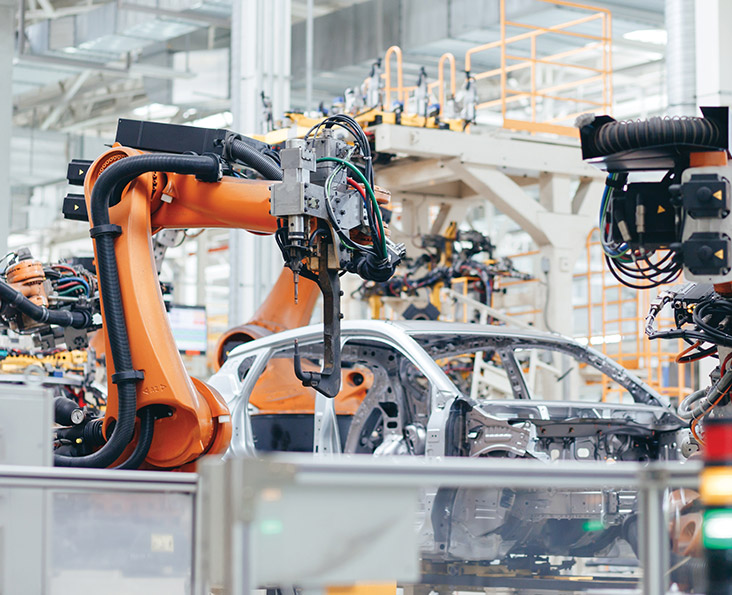

Increasing demand for automotive-grade steel, coated products, electrical steel and specialised applications is creating opportunities in the higher-margin valueadded segment, which already accounts for over 60% of JSW Steel's domestic sales mix. This continued shift towards a de-commoditised portfolio forms an integral part of our strategy, helping reduce exposure to steel cyclicality while strengthening resilience and enhancing value creation. Strategic partnerships with global technology leaders such as JFE Steel further enhance JSW Steel’s ability to cater to evolving customer requirements.

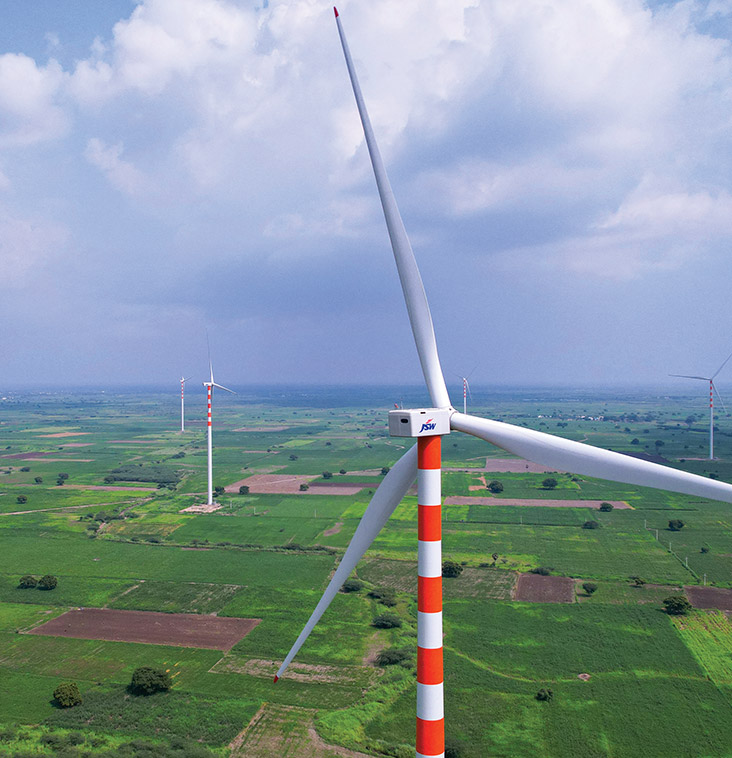
The global shift towards low-carbon manufacturing and emerging regulations such as CBAM are accelerating demand for greener steel products. JSW Steel’s investments in renewable energy, green hydrogen and decarbonisation initiatives position the Company favourably in the evolving low-carbon steel landscape.

Greater backward integration through captive iron ore and coking coal assets is expected to strengthen supply security and reduce exposure to commodity price volatility. Logistics infrastructure and beneficiation initiatives are also likely to support structural cost efficiencies over the long term.

Recovery in steel demand across developed economies, coupled with supply chain diversification trends, may create opportunities for Indian steel exports. JSW Steel’s diversified product portfolio, global customer reach and focus on quality position it well to expand presence in international markets.
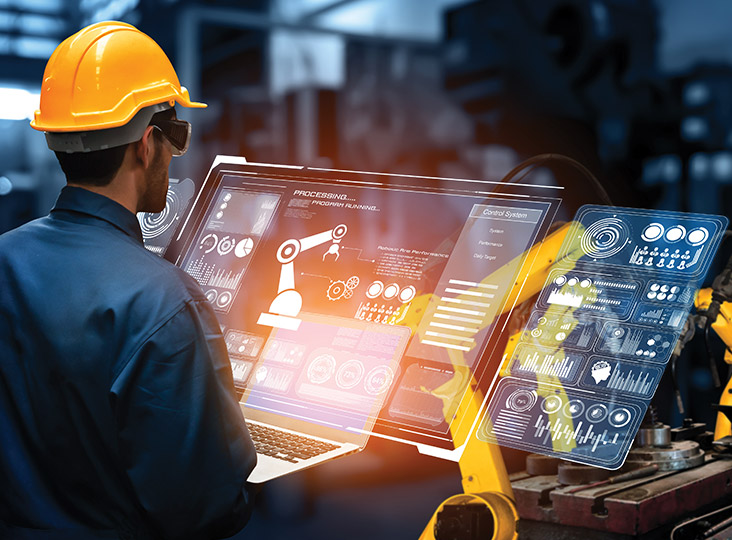

Increasing adoption of AI, automation and digital technologies across steel manufacturing is expected to improve productivity, reliability and energy efficiency. JSW Steel’s ongoing digital transformation initiatives provide opportunities to enhance operational resilience and sustain cost leadership.
JSW Steel continues its leadership position by focusing on operational excellence, supported by its world-class, fully integrated manufacturing footprint and a broad portfolio of value added and special products. The Company maintains a strong emphasis on disciplined capital deployment, driving cost efficiencies through optimal resource utilisation, strengthening raw material linkages, and fostering continuous innovation backed by robust R&D. Its ongoing investments in digitalisation and technology-led transformation further enhance its readiness for future growth, supported by a solid balance sheet and strong credit profile.
In FY 2025-26, JSW Steel's Indian operations achieved crude steel production of 29.3 MnT and sales of 28.8 MnT, demonstrating resilient operational performance, with average domestic capacity utilisation of 92% (excluding VJNR BF3, which is under shutdown) during the year. The Company remains committed to sustaining a high contribution from Value-Added and Special Products (VASP) at 61%, while progressing its sustainability initiatives across key application areas such as packaging, roofing, automotive light weighting, and the energy transition, reinforcing its long-term competitiveness.
Steel sales
Industrial sales
Coated steel sales
Sales in auto sector
Domestic sales
Value-Added & Special Products sales
Branded sales
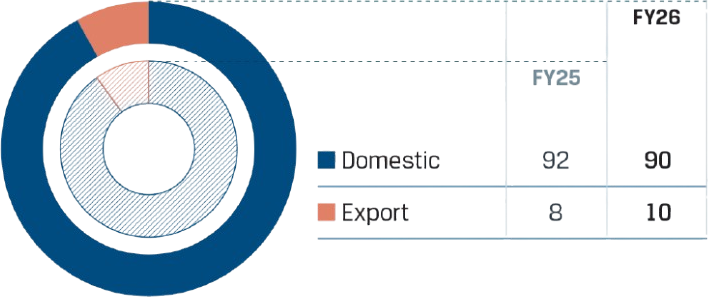
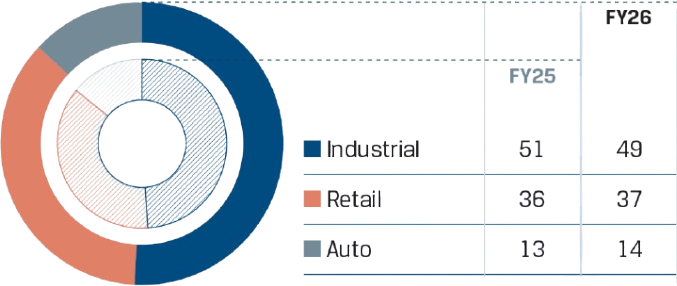
In FY 2025-26, domestic markets continued to anchor the Company's performance, accounting for nearly 90% of total sales, with volumes growing strongly by 10% y-o-y. This growth was complemented by an exceptional performance in the Value-Added & Special Products (VASP) segment, which reached a record 17.6 MnT. Value-added volumes also scaled a new peak of 11.9 MnT, reflecting a healthy 6.0% y-o-y increase. The contribution of VASP to overall sales remained robust at 61%, highlighting the Company's strategic emphasis on differentiated, higher-margin products. Operational metrics also remained strong, with India operations achieving capacity utilisation of 92% excluding VJNR BF3 and 87% including VJNR BF3 during the year, indicating sustained efficiency and demand alignment.
JSW Steel plays a central, multi-dimensional role in India's growth story by acting as a critical enabler of infrastructure, manufacturing expansion, sustainability, and self-reliance. It supports large national projects and flagship programmes while scaling capacity aggressively to meet rising domestic demand and reduce import dependence. JSW Steel also supports MSMEs through consistent supplies thereby enabling them with further growth opportunities. At the same time, the Company is leading the energy transition in the steel sector through significant investments in green technologies and emissions reduction. Its large-scale investments are driving regional industrial development, creating substantial employment and ecosystem benefits, and strengthening India's capabilities in strategic sectors such as defence, mobility, and energy. Overall, JSW Steel is not just supplying steel but actively underpinning India's economic growth, industrial competitiveness, and long-term sustainability.
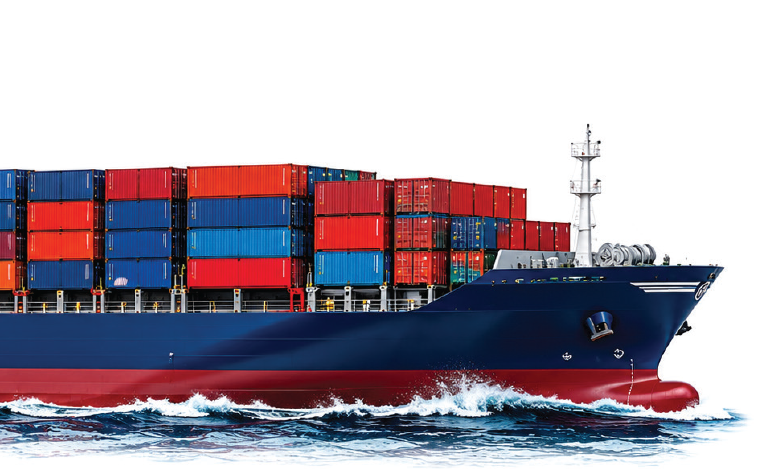
Achieved an overall export sales volume of ~2.80 MNT For FY 2025-26, with Europe emerging as the largest market contributing nearly 66.8%, followed by Asia (18.5%) and the Middle East (8.9%).
Within JSW Steel, recorded exports of over 2.09 MnT, led by strong performances in HR Coil (1.13 MnT), CR Coil (0.326 MnT), As-Cast Blooms (0.294 MnT), HRPO (0.103 MnT), GI (48 KMT), and Wire Rod Coil (0.117 MnT). Successfully diversified sales across Africa, Asia, Europe, the Middle East, and North America, while strengthening product penetration in both flat and long steel categories.
JSW Coated contributed approximately 633k MT, driven by robust sales of PPGL (222k MT), GI (201k MT), GL (91k MT), and Tin Plate (77k MT), demonstrating strong demand for coated and value-added steel products across Europe, the Middle East, South America, and Asia.
JSW BPSL achieved exports of over 70 KMT, primarily through HRC and CRCA sales in Asian markets, further supporting the group's international market presence.
The year's performance highlights successful global market expansion, strong product diversification, and sustained growth across premium, coated, and value-added steel segments, reinforcing the Company's leadership in international steel exports.
JSW Steel has consistently reinforced its strategic focus on enhancing the share of Value-Added & Special Products (VASP) in its overall portfolio, backed by continuous investments in innovation and product development. This approach translated into strong momentum in FY 2025-26, with VASP volumes registering a healthy 14% y-o-y growth. As a result, VASP contribution to the total sales mix improved to 61%, reflecting the Company’s clear shift towards higher-margin, differentiated offerings and a more value-driven growth strategy.
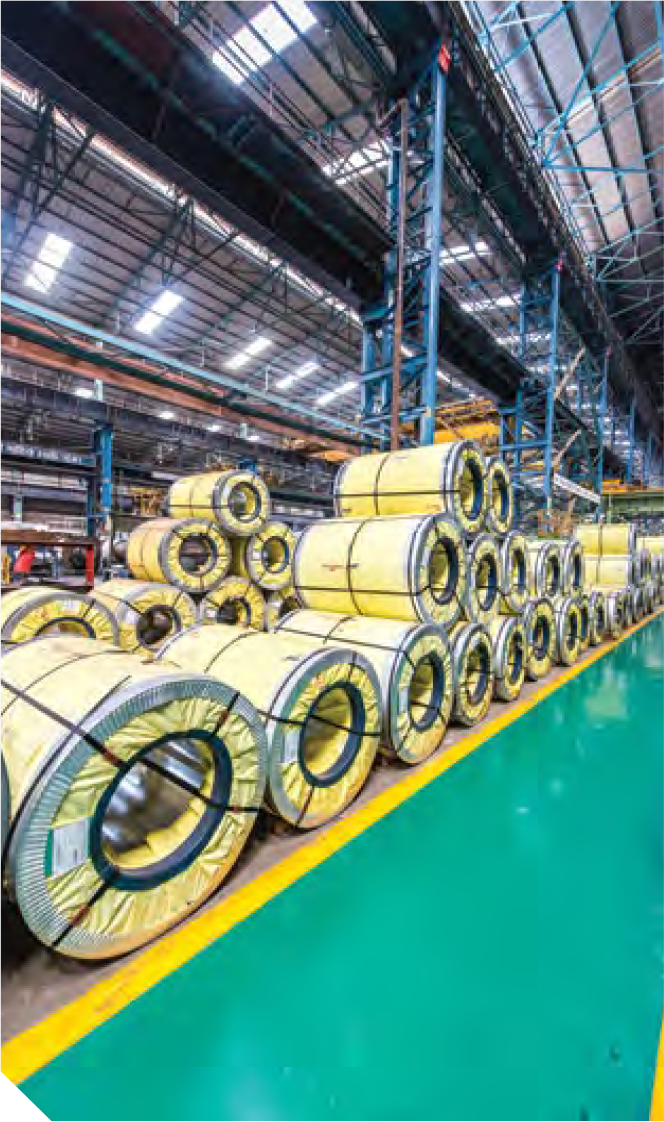
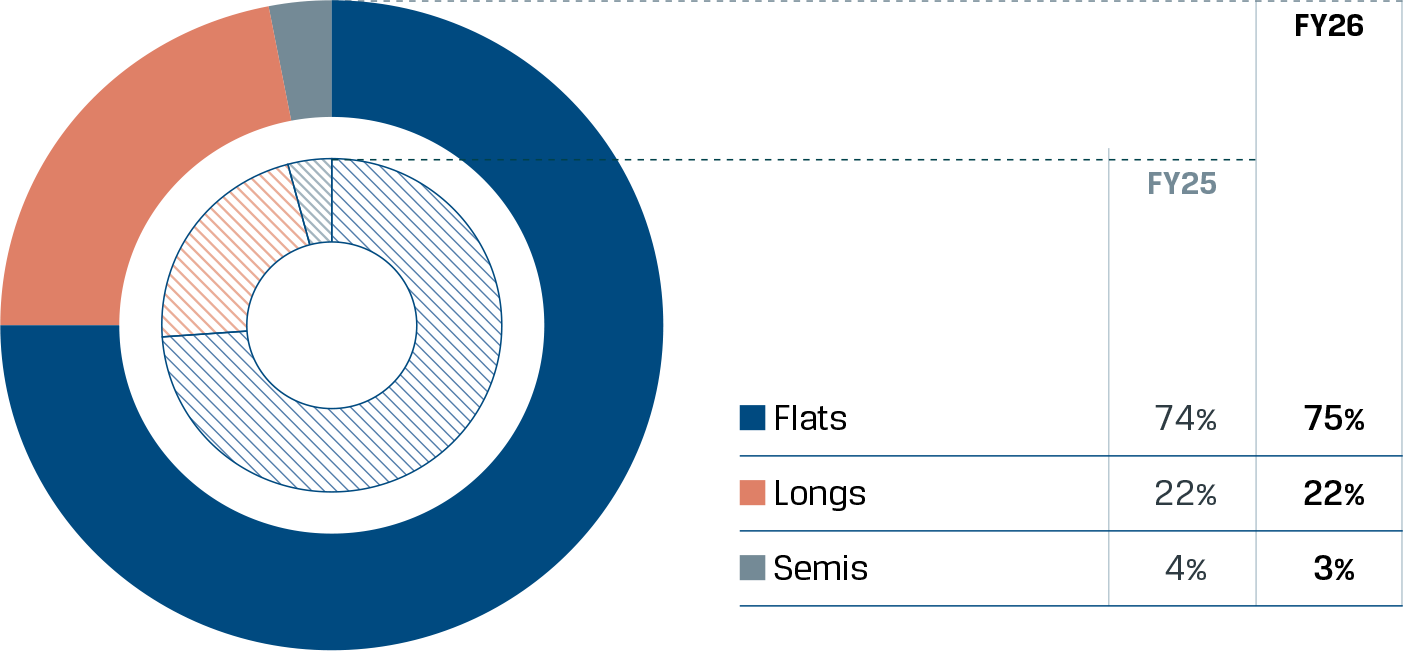
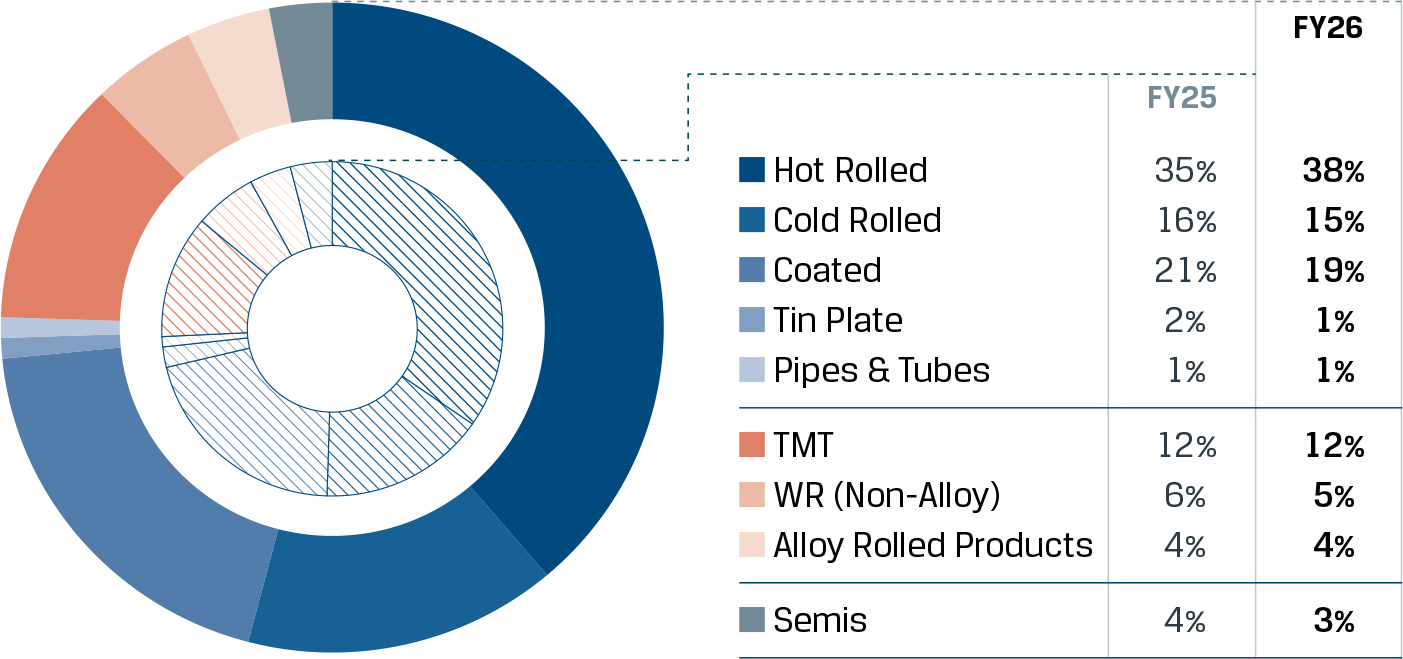
Flat products — covering Hot-rolled, Cold-rolled, Colour-coated, Galvanised, and Galvalume variants — accounted for a dominant 75% of total sales in FY 2025-26. The segment recorded a strong 13% y-o-y growth, highlighting its pivotal role in shaping the Company’s revenue mix and overall performance.
Contribution to overall product portfolio

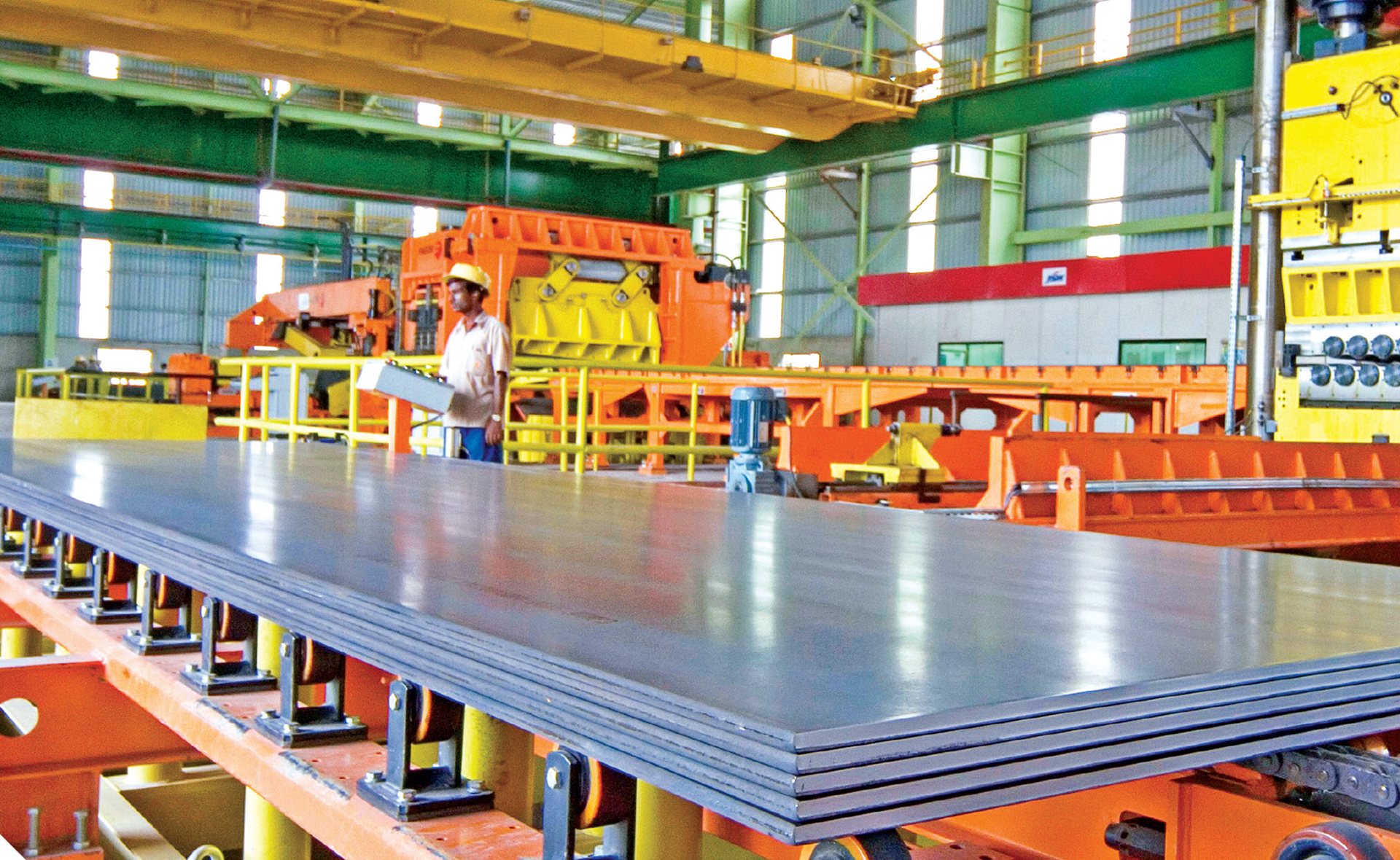
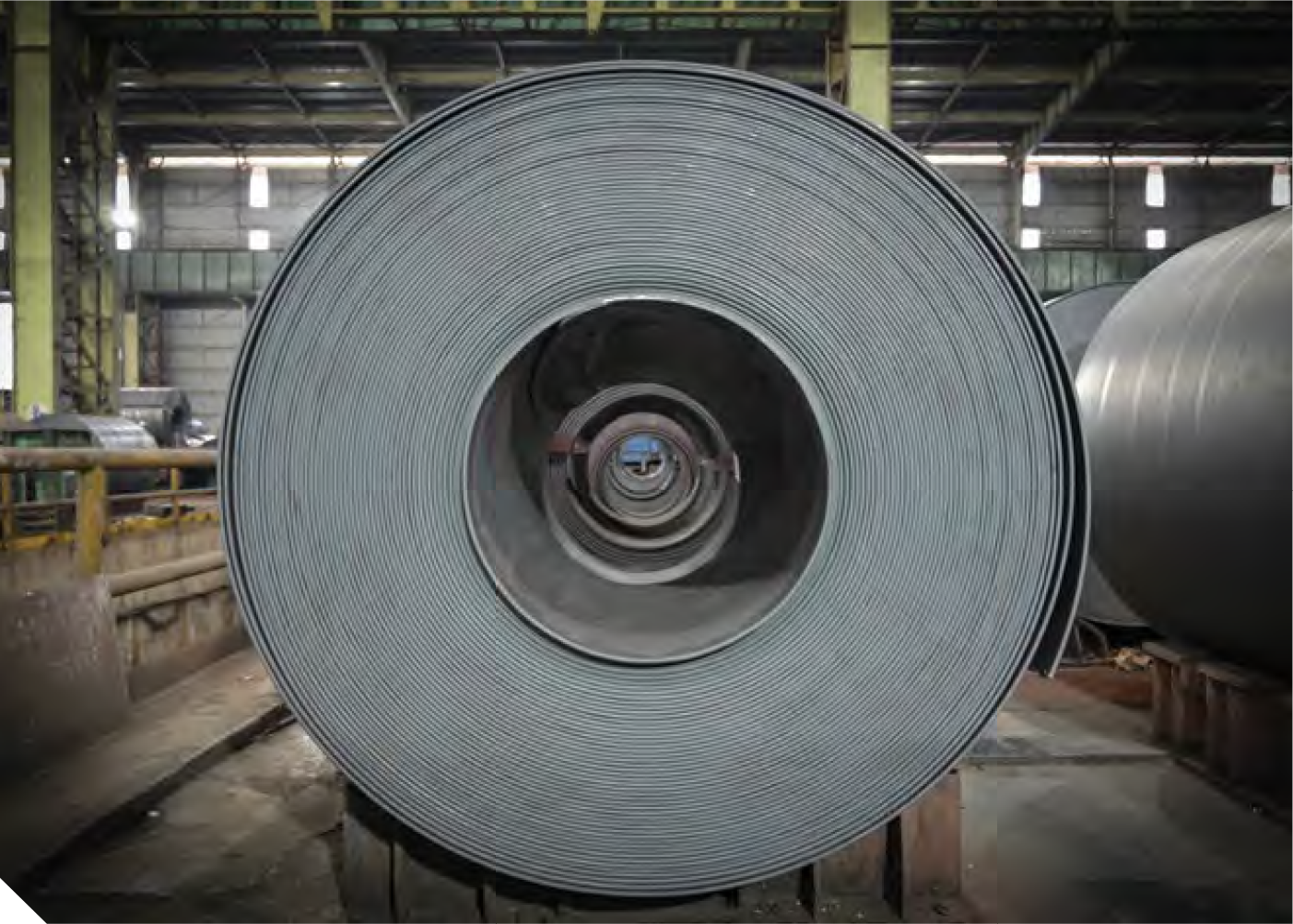
JSW Steel is well regarded for the high quality and consistency of its hot-rolled product range. Produced using advanced manufacturing technologies at its Hot Strip Mills in Vijayanagar, Dolvi, and JJSL, along with the PM Plate Mill at Anjar, these products serve a wide array of applications spanning structural, general engineering, and infrastructure projects. Catering to key sectors such as industrial and engineering, automotive, energy, and capital goods, hot-rolled products comprised approximately 38% of the Company’s total product mix in FY 2025-26.
JSW Steel offers a wide range of HRC product with thicknesses spanning 2 to 16 mm and widths from 900 to 2900 mm, enabling it to meet diverse customer requirements across applications. Leveraging its multi-location manufacturing footprint and strong distribution capabilities, the Company ensures reliable just-in-time deliveries, which supports consistent demand across automotive, OEM, and retail segments. This breadth of product offerings and supply flexibility positions JSW Steel competitively in the market.
Contribution to overall product portfolio

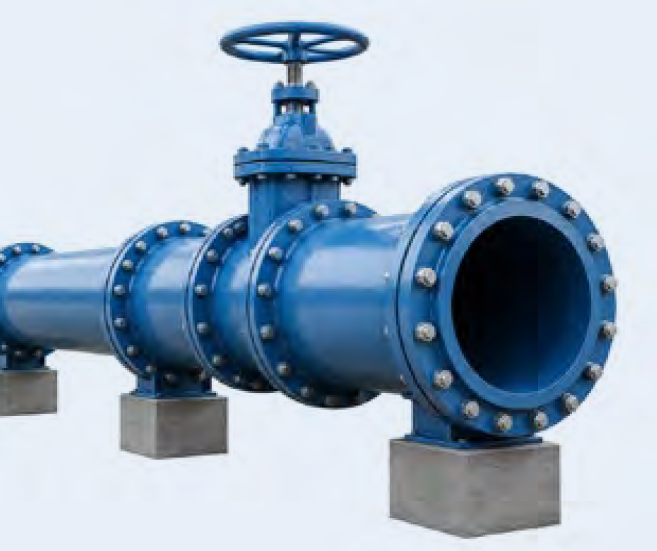
Major projects served
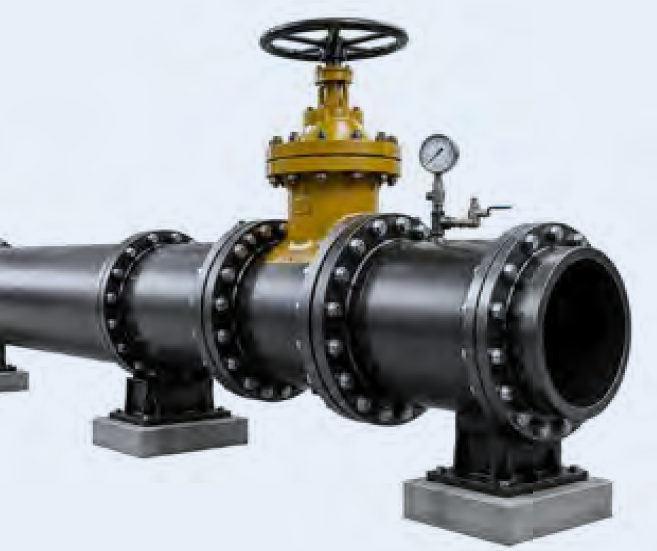
Major projects served in API category
In FY 2025-26, the Automotive segment emerged as a key growth driver, elevating the Company’s CRCA sales. Through strategic collaboration with leading OEMs, JSW Steel developed specialised grades such as HSLA and AHSS, designed to enhance structural performance while supporting weight optimisation. The Company also established a new benchmark in domestic value creation by achieving the highest degree of localisation for a leading automotive OEM, enabling substantial import substitution. The Retail and OEM segment is poised for 7% incremental MOU in FY 2025-26.
Contribution to overall product portfolio

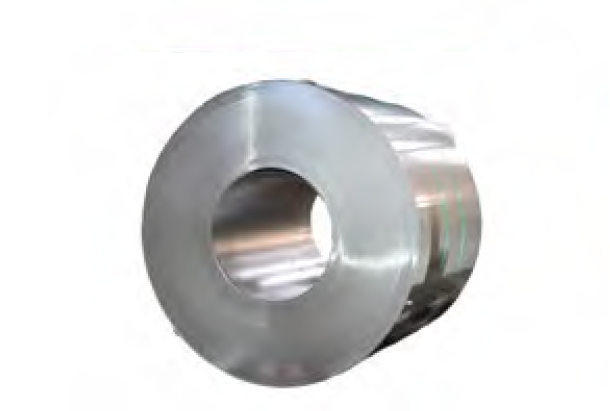
JSW Steel operates the country’s first integrated facility for manufacturing complete range of low core-loss electrical steel, enabling effective substitution of imports. Electrical steel remains central to improving energy efficiency across a wide range of applications, including motors, pumps, fans, appliances, generators, and transformers. Building on ongoing innovation, the Company has expanded its CRNO portfolio to serve high-growth segments such as electric vehicles and Hermetically Sealed compressors. It continues to be a preferred partner for energy and mobility sectors with consistent supply of high-performance, energy-efficient steel solutions that support the transition to a more sustainable future. Electrical steel is a key raw material for energy transition and green future.
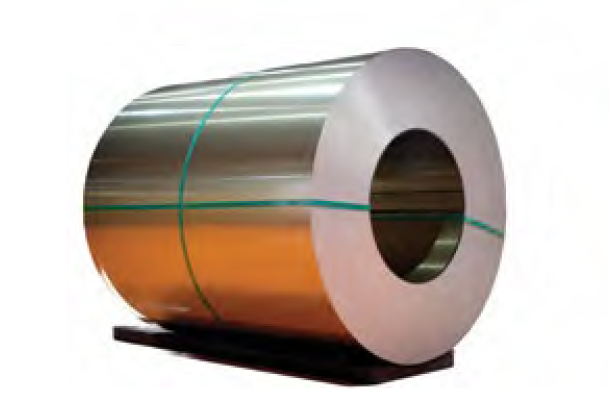
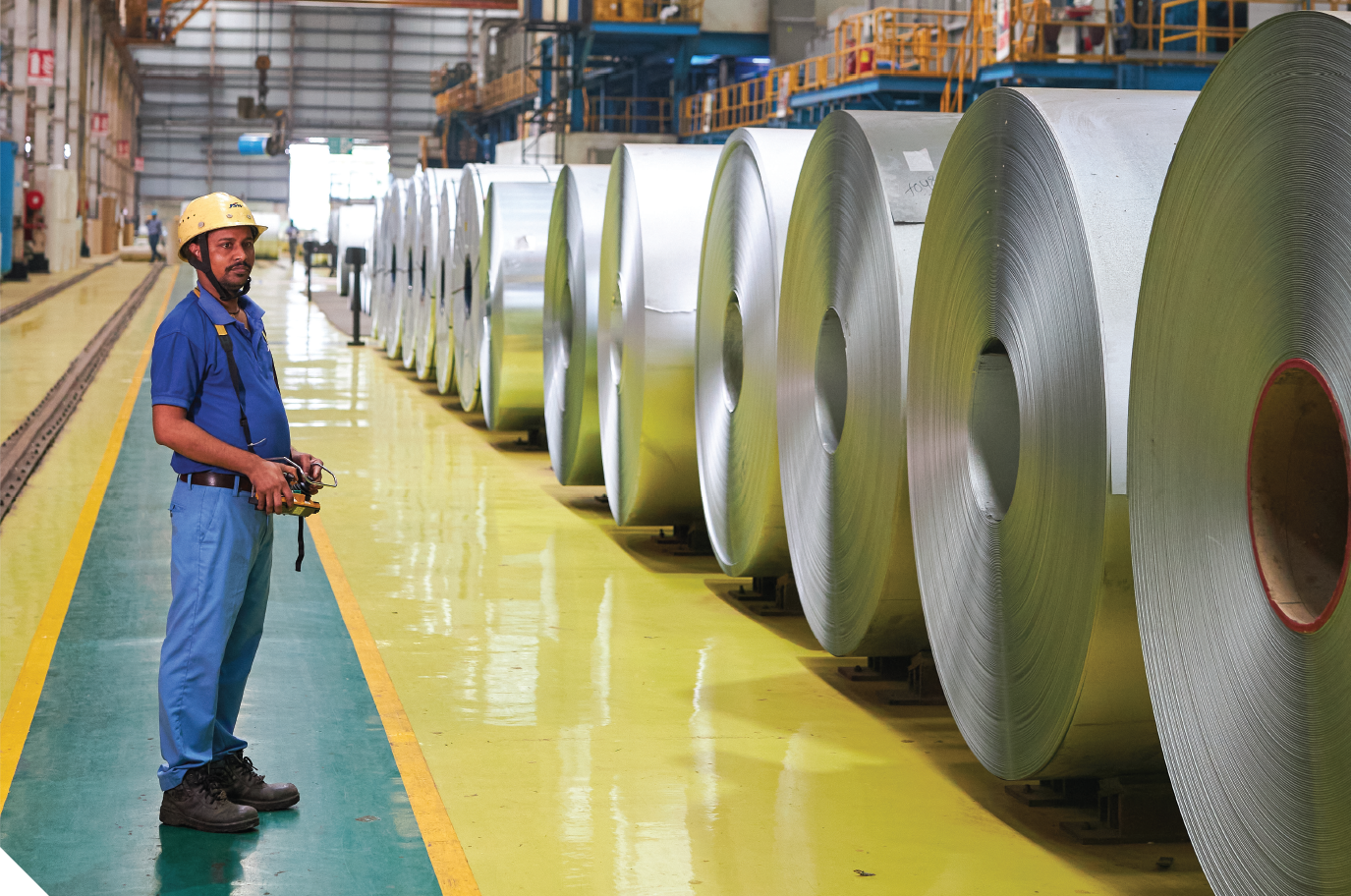
Coated steel, valued for its superior corrosion resistance, is experiencing strong momentum, particularly across Galvanised, Galvalume, Colour coated and Tinplate categories. With India’s per capita coated consumption at approximately 7 kg—significantly lower than the 50–60 kg levels observed in the US and Europe—the segment offers substantial headroom for expansion, especially in rural markets. Demand is expected to grow at a consistent pace, surpassing overall steel consumption and GDP growth. JSW Coated Steel maintains a leadership position in this space, supported by its portfolio of flagship brands, including Colouron+, Radiance, Everglow, Pragati+, Vishwas, Galvos, Silveron+ and Galveco.
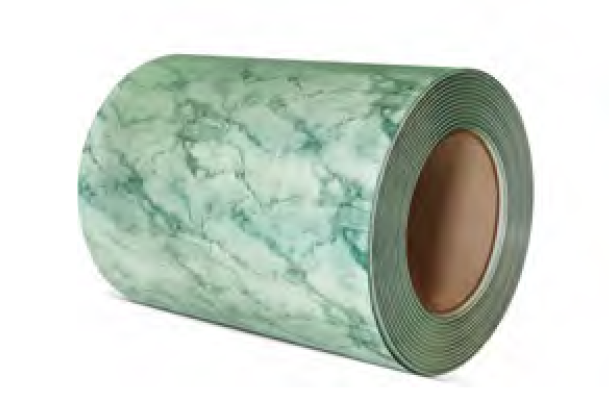
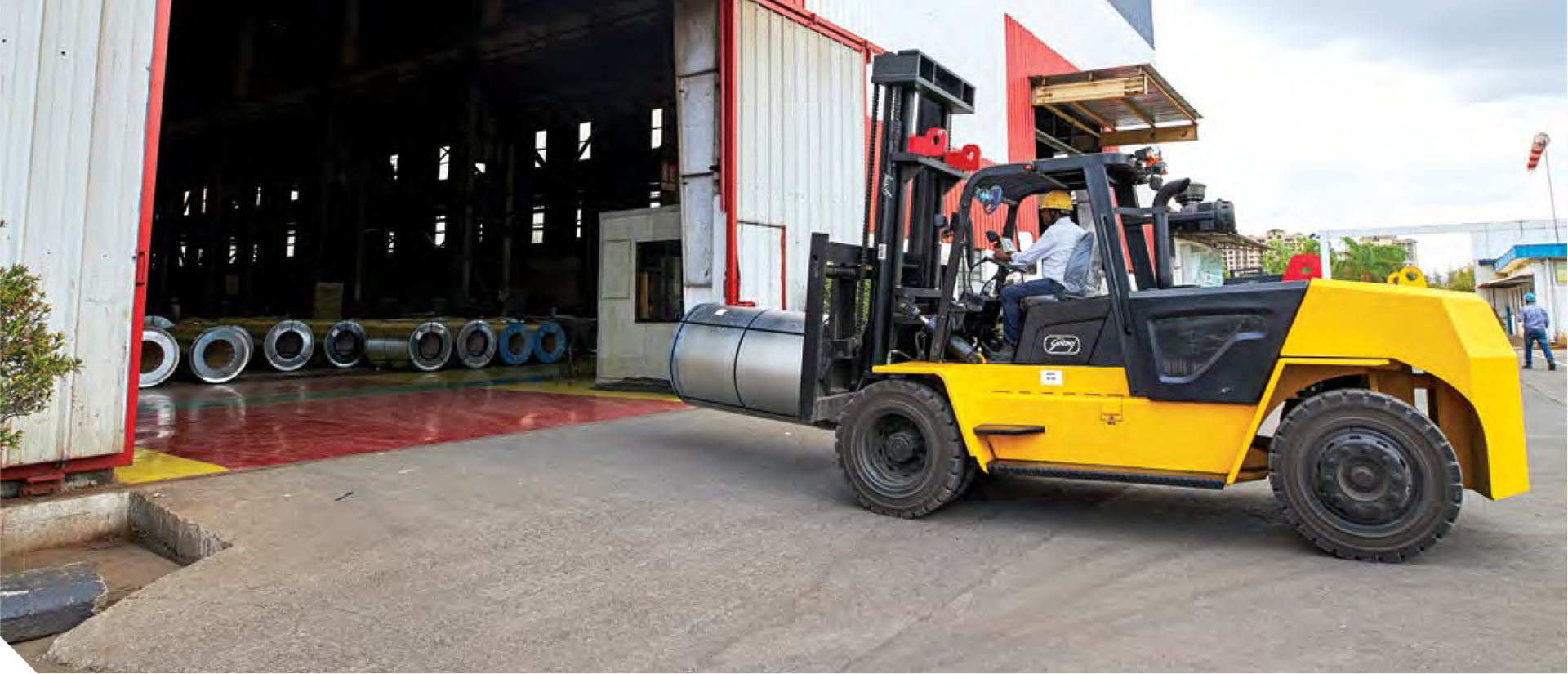
JSW Steel’s colour-coated steel portfolio, recognised for its durability and visual appeal, serves diverse applications across construction, warehousing, and roofing. The Company holds a leading position with a 48% market share and domestic sales of 1.84 MnT, with JSWSCPL distinguished as the only player offering a comprehensive brand range—from the super-premium Everglow to the mass-market Indradhanush.
The segment registered an 8% y-o-y growth, driven by product innovations such as Anti-Dust, Hi-Gloss, and energy-efficient Cool Roof coatings, developed in collaboration with JSW Paints. These advancements improve thermal performance while ensuring long-term resilience.
The Company is also deepening its footprint in the appliances segment through an expanded palette of colours and finishes, while supporting global customers via Early Vendor Involvement initiatives. In line with the ‘Make in India’ agenda, JSW Steel is advancing localisation and reducing import dependence through strengthened domestic capabilities and global partnerships.
Contribution to overall product portfolio

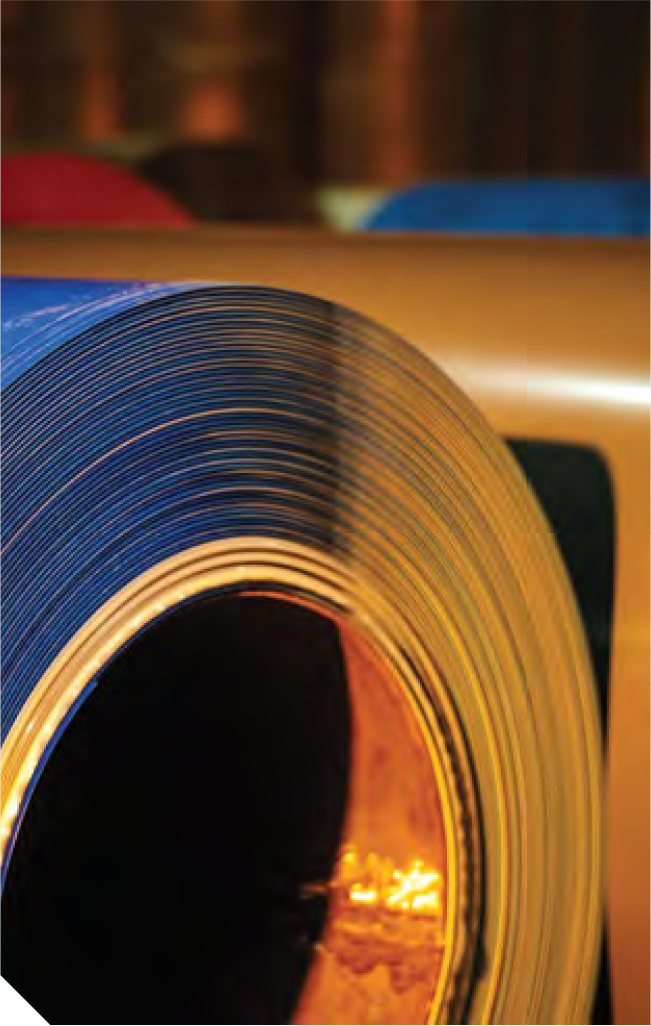
Galvanised (GI) and Galvalume (GL) products constituted 13% of the Company’s overall portfolio in FY 2025-26. As India’s leading Galvalume manufacturer, JSW Steel is widely recognised for its enhanced corrosion protection and thermal reflectivity.
Amid accelerating demand from the solar sector, the Company introduced specialised grades under the Galvos brand, engineered to perform in highly corrosive and alkaline environments making it highest selling brand in Solar segment within the category. It also led innovation by developing HSLA torque tube grades for solar trackers, which have received approvals from global players. In the domestic market, the Company commands a market share of 37% in GI and 56% in GL, supported by a 3% y-o-y growth in sales.
JSW also manufactures Galvanised product for high-end segments like appliances and panels, under the brand Galveco. The product is characterised by its ultra-smooth surface finish and formability and has become the preferred brand in the segment.
India’s first indigenously developed and patented Zinc-Magnesium-Aluminium alloy-coated steel delivers up to five times higher corrosion resistance compared to conventional galvanised iron, even under extreme environmental conditions. Manufactured at the Vijayanagar Coated facility, it is widely utilised for solar structures and Pipe & Tube segments.
Positioned as a breakthrough solution for the renewable energy sector, Magsure combines superior chemical resistance, improved formability, and eco-friendly attributes. As India’s first indigenous ZnMg-Al product of its kind, it is engineered for high-performance usage in demanding operating environments, offering a durable and sustainable solution for diverse industrial and infrastructure applications.
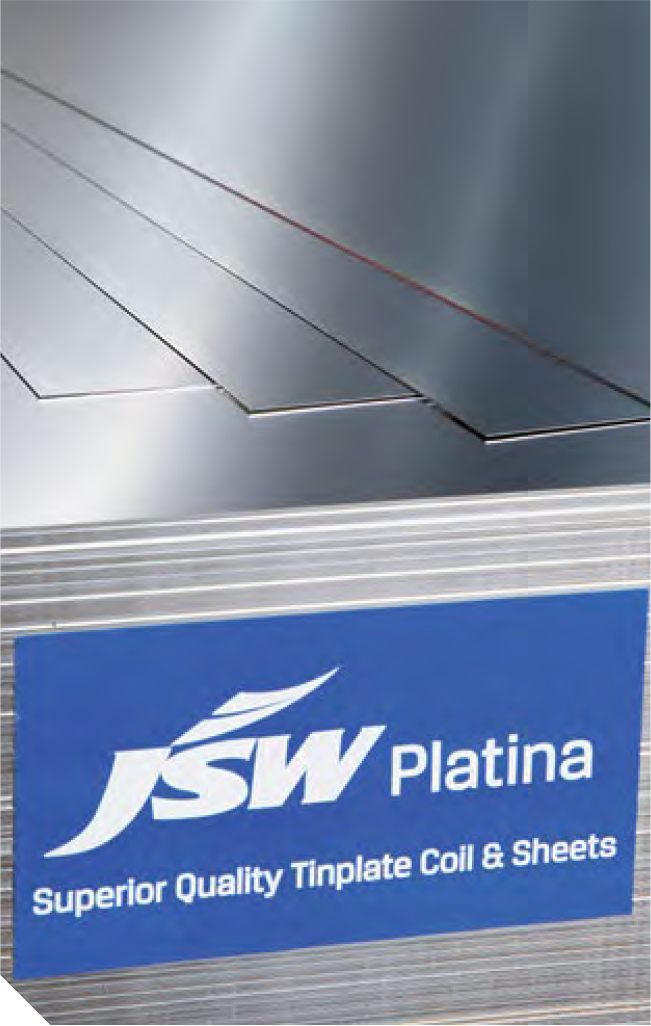
JSW Platina, the Company’s tinplate offering, is a highly sustainable packaging solution distinguished by its infinite recyclability, making it significantly eco-friendlier than several alternative materials. It represents one of the most value-added downstream products within the flat steel segment.
With global demand for sustainable packaging on the rise, domestic consumption continues to expand, supported by rapid urbanisation and evolving dietary patterns, securing a 46% share of the domestic market.
Further strengthening its portfolio, JSW Platina has entered the cable armour segment with an ambition to capture a 50% market share. This strategic expansion is supported by increasing localisation trends, reinforcing JSW Platina’s positioning as a preferred provider of high-performance, domestically manufactured solutions.
With success of Tinplate Lacquering products, JSW Steel has started the printing line and this has also got the acceptance in the market thus enhancing the product portfolio and becoming one stop solution for packaging requirements.
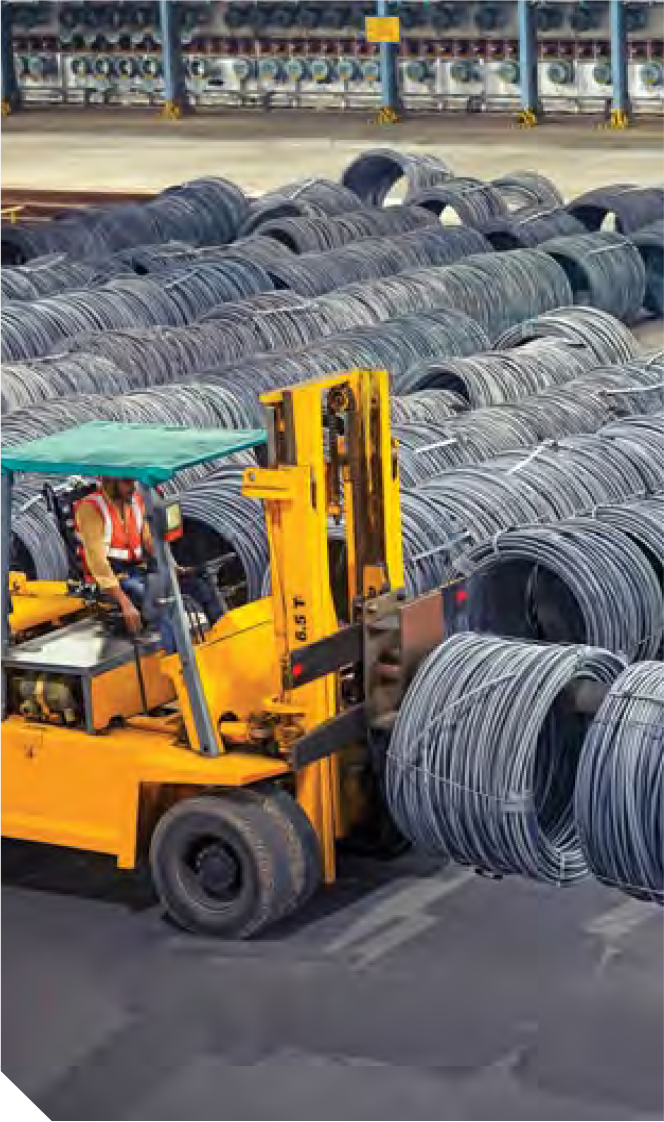
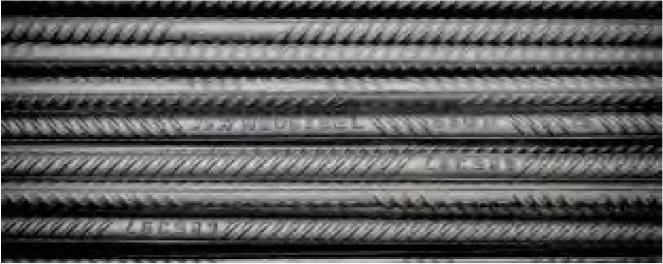
Long products are essential to the development of critical infrastructure, supporting applications such as roadways, metro and railway networks, bridges, and power generation projects. During the year, JSW Steel achieved sales of 6.3 MnT in this segment, registering a 12% y-o-y increase, underscoring sustained demand and growth momentum.
Contribution to overall product portfolio

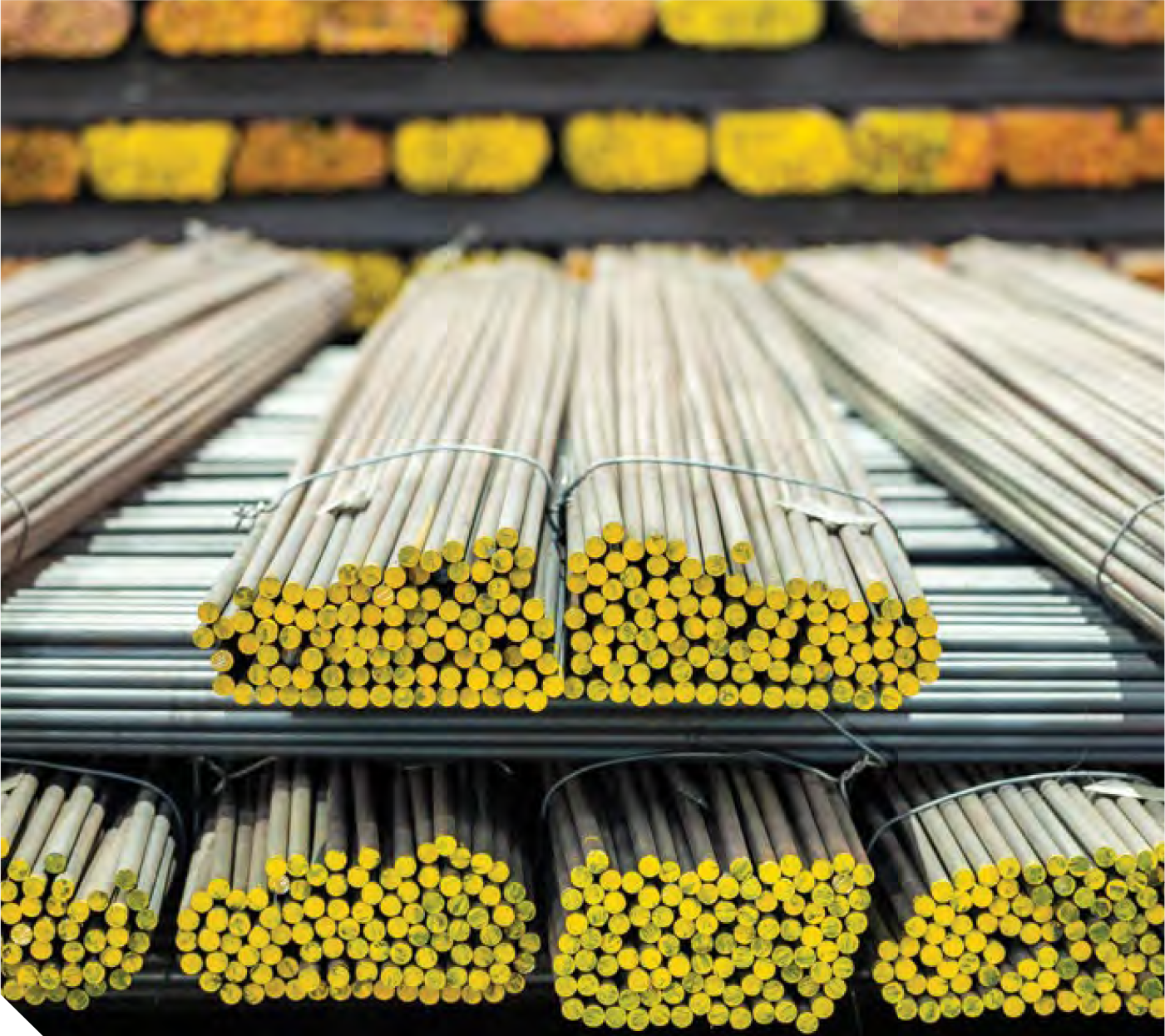
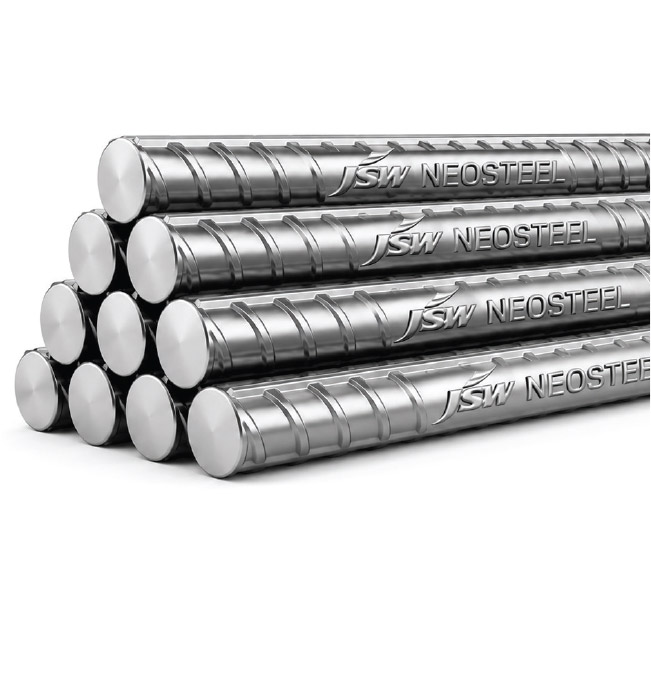
TMT bars, produced from virgin iron ore to ensure high purity, deliver a strong combination of strength and ductility. Manufactured using the advanced HYQST process, these products are recognised for their superior quality attributes, including excellent weldability, enhanced corrosion resistance, and high malleability.
Supported by robust infrastructure-led demand, the Company supplies TMT bars to several marquee projects spanning road construction, metro rail networks, and large-scale developments in sectors such as construction, power, and nuclear energy.
During the year, TMT sales grew by 14% y-o-y, enabling the Company to secure a 6% share of the domestic market through improved services, on time deliveries with multi locational manufacturing facilities driving sales for Retail & OEM.
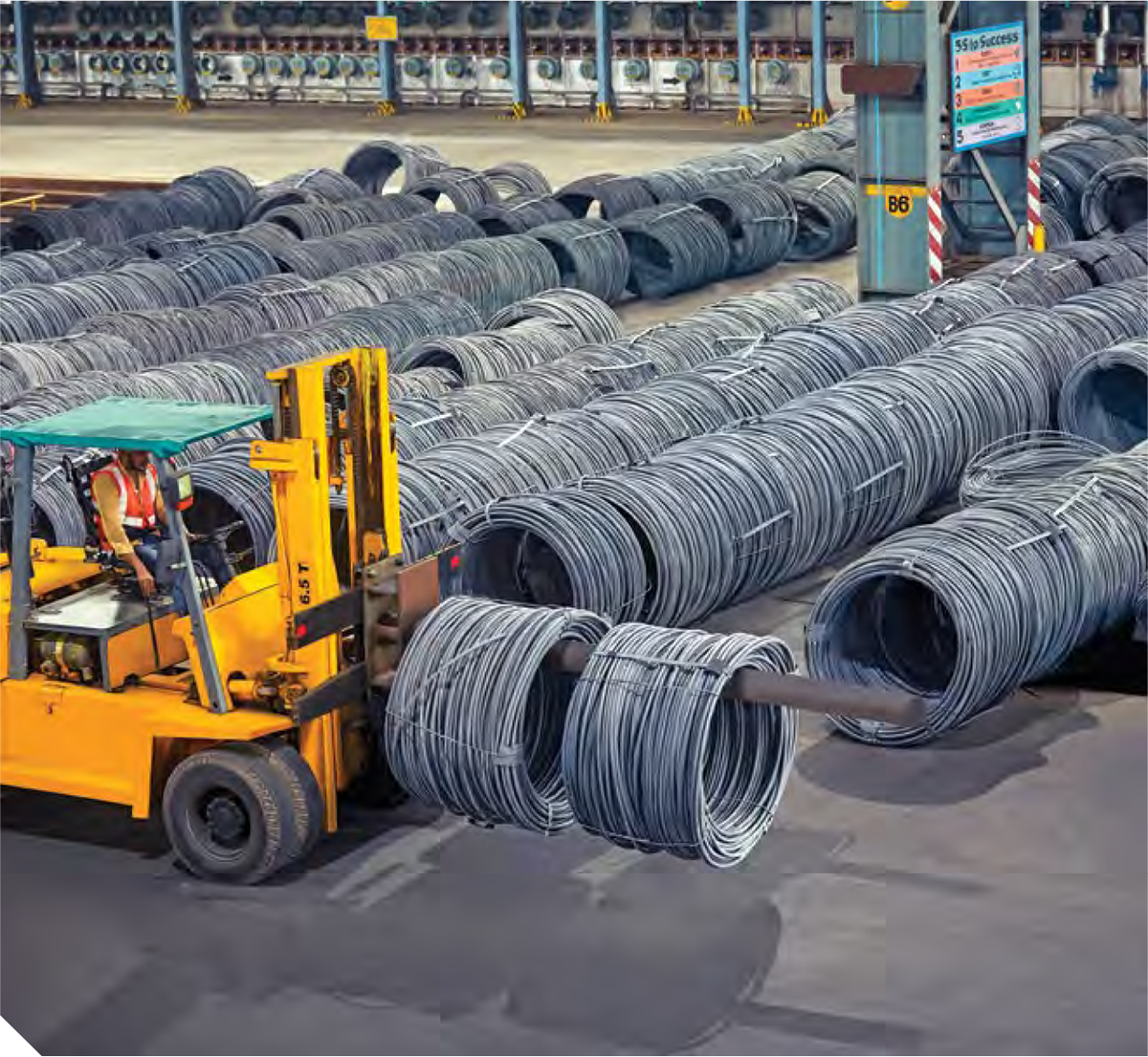
Engineered using advanced manufacturing technologies to ensure superior quality, JSW Steel’s wire rods produced at Vijayanagar serve a wide range of industries, including automotive, engineering, welding, and machining. With the continued expansion of India’s automotive and industrial sectors, demand for these versatile products remains on a steady upward trajectory.
The Company has strengthened its focus on Electrode and High Carbon steel grades, delivering strong performance with annual growth of 26% and 32% respectively. These specialised offerings continue to effectively address the evolving requirements of electrode manufacturing and auto component industries.
During the year, wire rod sales grew by 3% y-o-y, enabling the Company to capture a 13% share of the domestic market with forays into value added products like High Carbon, WR3 for applications such as Wire Drawing, Tyre cord, Welding electrodes.
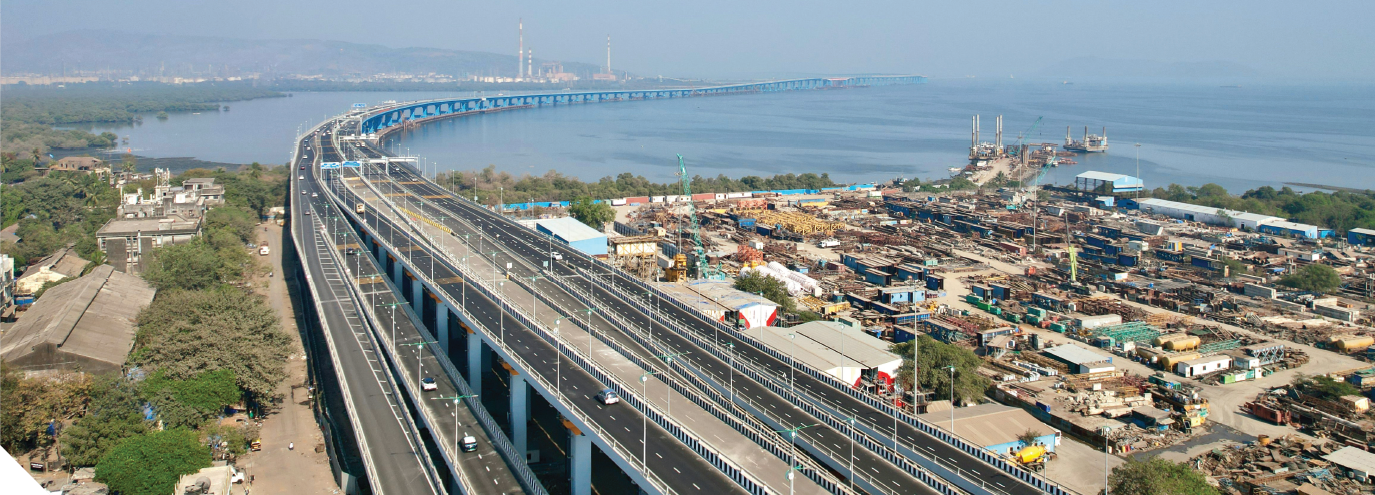
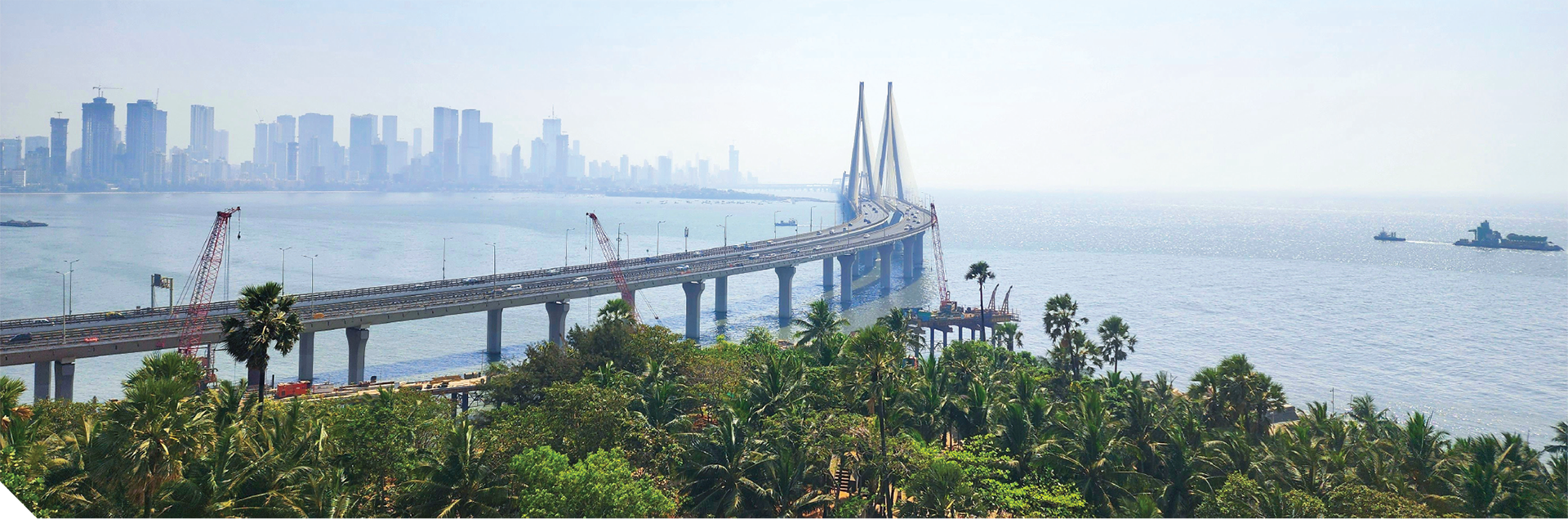
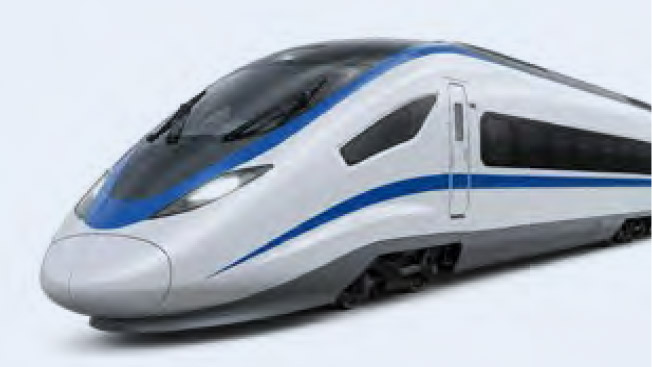
The 0.144 MTPA Low Relaxation Prestressed Concrete (LRPC) strand facility at Vijayanagar is now fully operational, with JSW Steel supplying these high-performance strands across a wide range of marquee infrastructure projects. These include the Mumbai–Ahmedabad High-Speed Rail (India's first Bullet Train) project, along with road projects executed by the National Highways Authority of India (NHAI), NCRTC, Metro rail projects, Sea-links, and projects undertaken by state road development corporations, NHPC, SITCO, CIDCO, and RLDA, etc.
In FY 2025-26, the Company expanded its product portfolio with the introduction of PE-coated LRPC strands, primarily used in the building segment, rock anchoring, and soil stabilisation applications. Neotrex has gained strong traction in the building segment, where the business had shown approximately ~60% y-o-y growth in the space of IT parks, data centres, malls, multiplexes, premium residential projects, etc.
Due to the growing I&C segment, LRPC strands are seen as a convenient and technological alternative to increase the strength of the structure by reducing number of pillars and enabling longer spans which is helping the cost and reducing the construction time. Momentum is seen in the requirements coming from 2 tier and 3 tier cities. Also, due to rapid urbanisation, 'Precast technology' is increasingly getting adopted in India, helping industry to speed up construction by 30-35% compared to traditional methods. It improves quality, reduces onsite labour, and creates durable, eco-friendly structures.
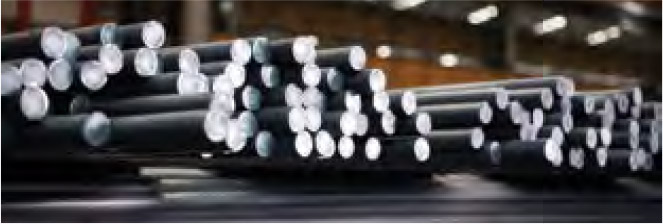
JSW Special Alloy Steel, produced at the Salem and JJSL facilities, delivered strong growth in FY 2025-26, with alloy longs sales increasing by 17% y-o-y and accounting for 6% of the overall product mix. Within this segment, Bearing Steel sales registered an impressive 20% growth.
The Company’s continued focus on developing new grades has enhanced its ability to cater to a wide range of applications across the automotive, textile machinery, and general engineering sectors. During the year, the Salem plant achieved several product approvals from customers in strategic industries such as automotive, oil & gas, and mining. Its strategically advantageous location further supports operational efficiency through lower logistics costs and faster delivery timelines.
Effort of localisation and new product development has propelled the requirement in Alloy Steel to segments such as Defence, Railways, and Automobile. JSW Steel’s ability to produce high quality steel backed by R&D team will enable India to become one of the largest manufacturers of Bearing Steel as an alternative to China.
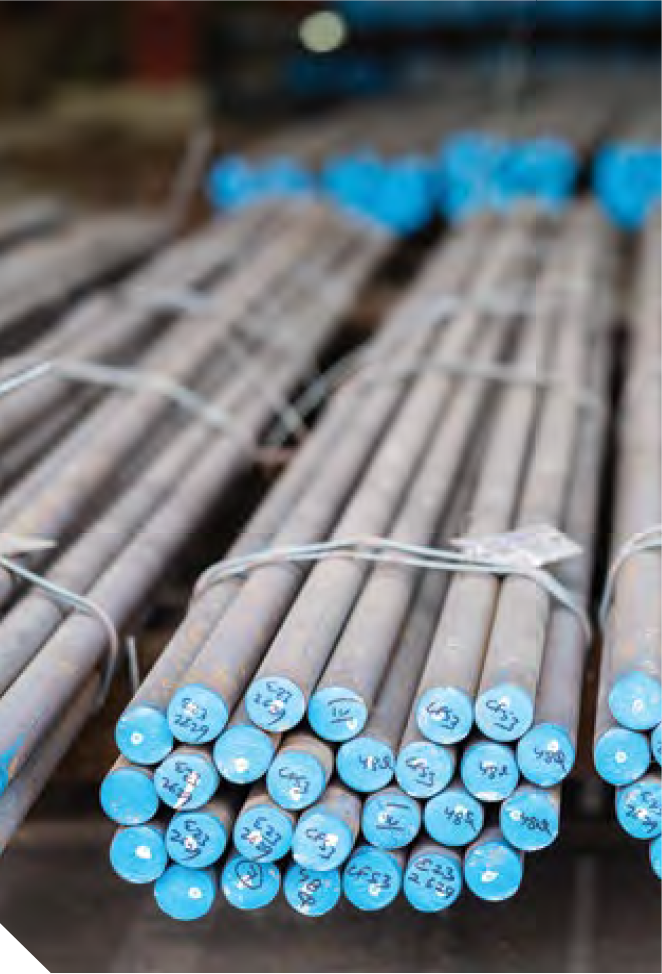
In line with its commitment to customer centricity, the marketing function has undertaken a transformative journey to strengthen engagement and responsiveness across both digital and physical touchpoints. Through strategic enhancements to its websites — covering the full product portfolio and offering dedicated engagement for MSMEs — alongside dynamic social media campaigns and a more agile customer contact centre, the Company has enabled seamless and personalised customer experiences.
At the same time, branded retail outlets have been revitalised to better reflect the brand’s identity and foster stronger in-person interactions. These integrated initiatives ensure that every customer touchpoint, whether digital or physical, consistently reinforces the Company’s focus on understanding and serving its customers more effectively.
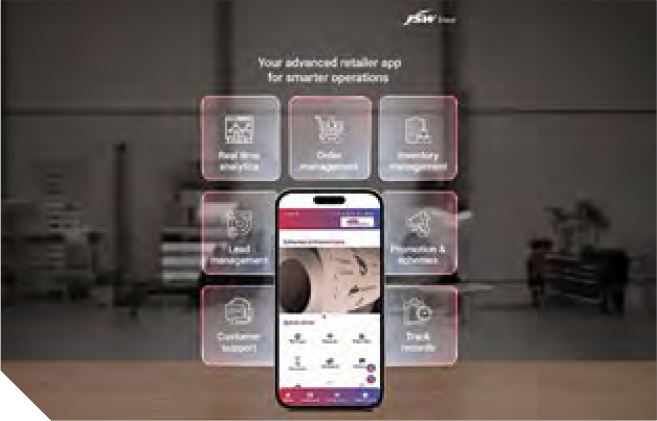
Digital marketing performance in FY 2025-26 reflected strong growth in scale, efficiency and impact, driven by data-led strategies and technological advancements. Total website traffic increased to 2 million from 1.9 million in the previous year, with an average of 1,60,000 monthly visits supported by comprehensive website revamps focussed on discoverability, user experience and targeted engagement.
Social media presence strengthened with an 11% rise in followers, ranking second in the industry, while engagement rates stood at 0.83% on LinkedIn, 0.39% on Facebook and 2% on Instagram.
The Company’s lead generation efficiency improved, with assignments rising by 11% from 14,149 in FY 2024-25 to 15,699 in FY 2025-26. Campaign performance too exceeded expectations, delivering over 135 million video views against a target of 82 million, alongside more than 500 million impressions and a reach exceeding 96 million across 10 paid campaigns. Strategic product launches and regional initiatives further enhanced visibility, while innovations such as a GenAIenabled multilingual chatbot and the upcoming myJSWSteel app underscore the Company’s progress towards a futureready digital ecosystem.
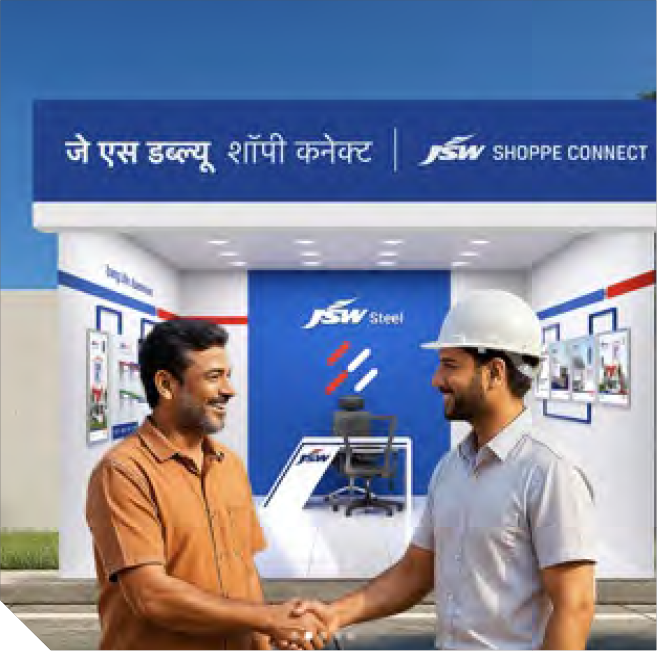
JSW Steel has significantly improved customer engagement and brand experience through 32 digitally-enabled Experience Centres across India, strategically integrated within its distributor network. These centres provide an immersive platform that brings the Company’s diverse product portfolio closer to OEMs, MSMEs and infrastructure developers, using advanced display technologies, interactive LED interfaces and digital kiosks to enable seamless access to technical information and applications, supporting faster and more informed decision-making. Complementing this is the extensive JSW Shoppe network of over 2,300 retail outlets across key markets, creating a strong last-mile connection with customers through consistent, personalised service, standardised formats and trained personnel.
Together, these initiatives reflect a well-integrated, insight-driven approach that combines physical infrastructure with digital capabilities to strengthen brand visibility, deepen customer relationships, and drive sustained growth.
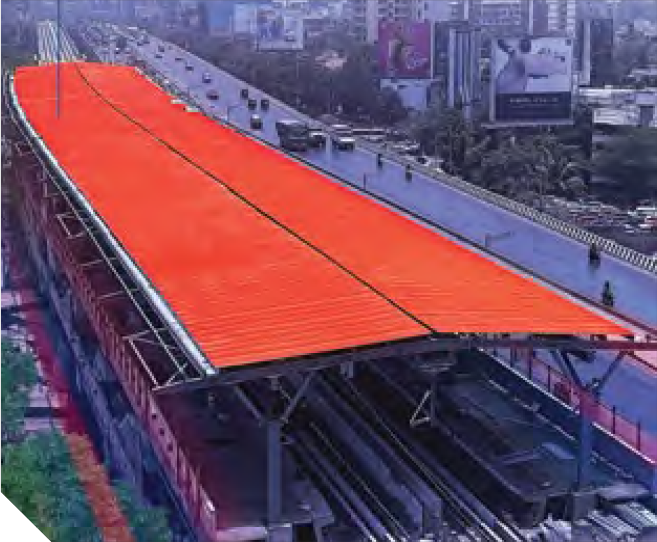
In 2025, JSW Steel significantly strengthened its brand protection initiatives through a comprehensive legal, enforcement and awareness-led approach to combat the misuse of its Colouron and Vishwas trademarks. Strategic investigations, targeted raids and criminal proceedings led to FIR filings and legal action in the Bombay High Court, resulting in interim relief, the appointment of a Court Receiver and the seizure of approximately 23–27 tonnes of infringing material, marking the Company’s largest recovery to date and potentially one of the most significant in the Indian steel industry. Complementing enforcement efforts, JSW Steel conducted 22 raids nationwide, intensified stakeholder awareness through outreach initiatives and implemented proactive digital monitoring and reporting mechanisms to safeguard brand integrity, customer confidence and long-term market credibility.
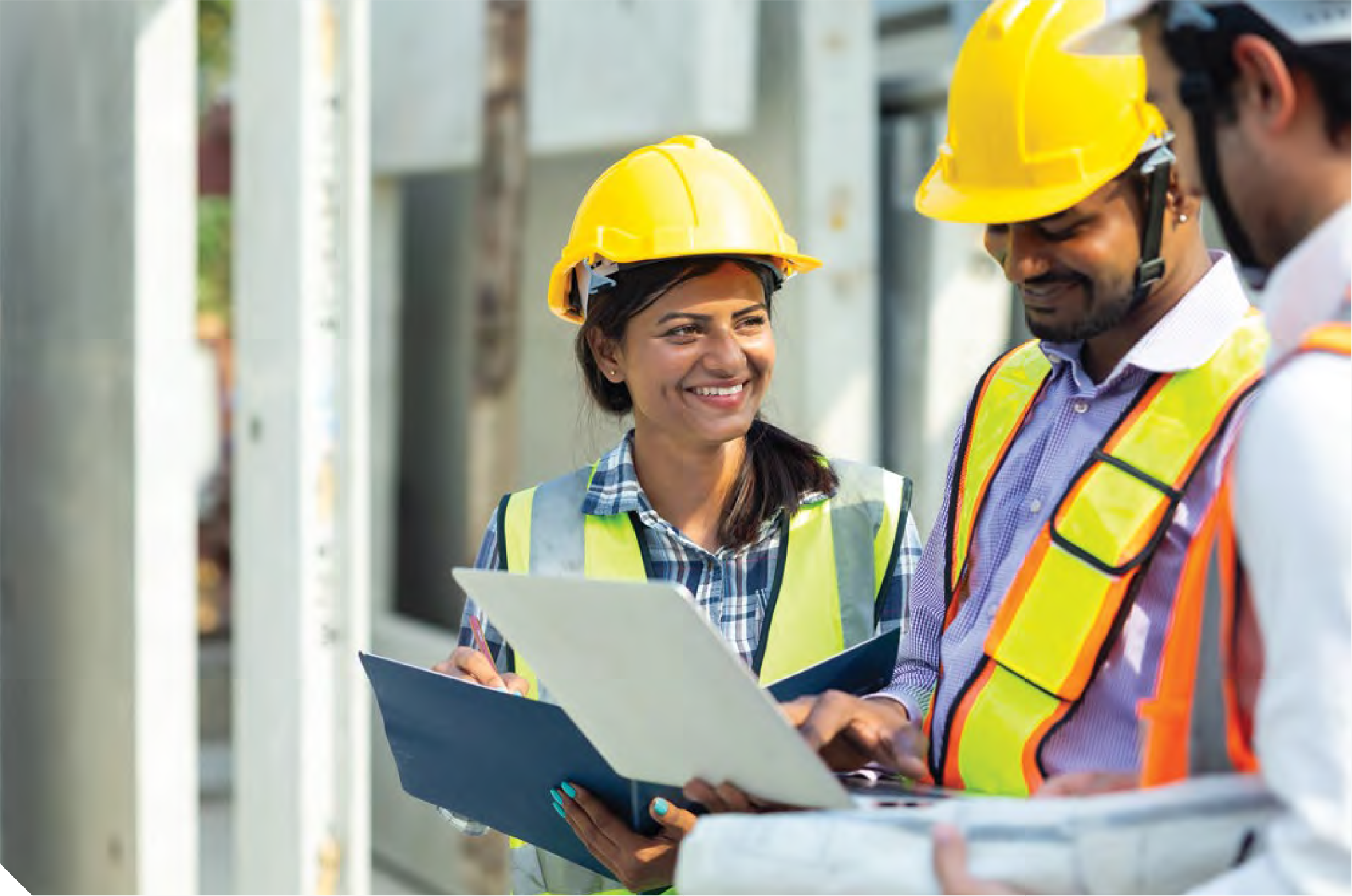
JSW Privilege Club has evolved into a robust influencer ecosystem, surpassing 1,00,000 enrolled members in FY 2024-25, reflecting strong grassroots reach, trust and relevance. Comprising fabricators, masons, contractors and retailers, this network is pivotal to influencing last-mile purchase decisions and expanding retail presence. Engagement is sustained through a year-round rewards programme, with landmark recognition events such as the Tamil Nadu ceremony and the felicitation of top national performers with over seven years of association.
The initiative also shows social commitment, with 100 students awarded scholarships of ₹10,000 each, supporting families and future generations. Stressing on inclusion and capability building, women fabricators from the North East were recognised for their contributions, while the Eklavya Training Academy delivered impactful learning programmes with strong nationwide demand. Experiential engagements, including the Superstar Meet at Imagica, brought together participants from key regions, fostering connection, recognition and product awareness.
Collectively, these efforts have created a highly engaged, inclusive and future-ready influencer network that continues to drive brand loyalty and growth.
Total influencers today

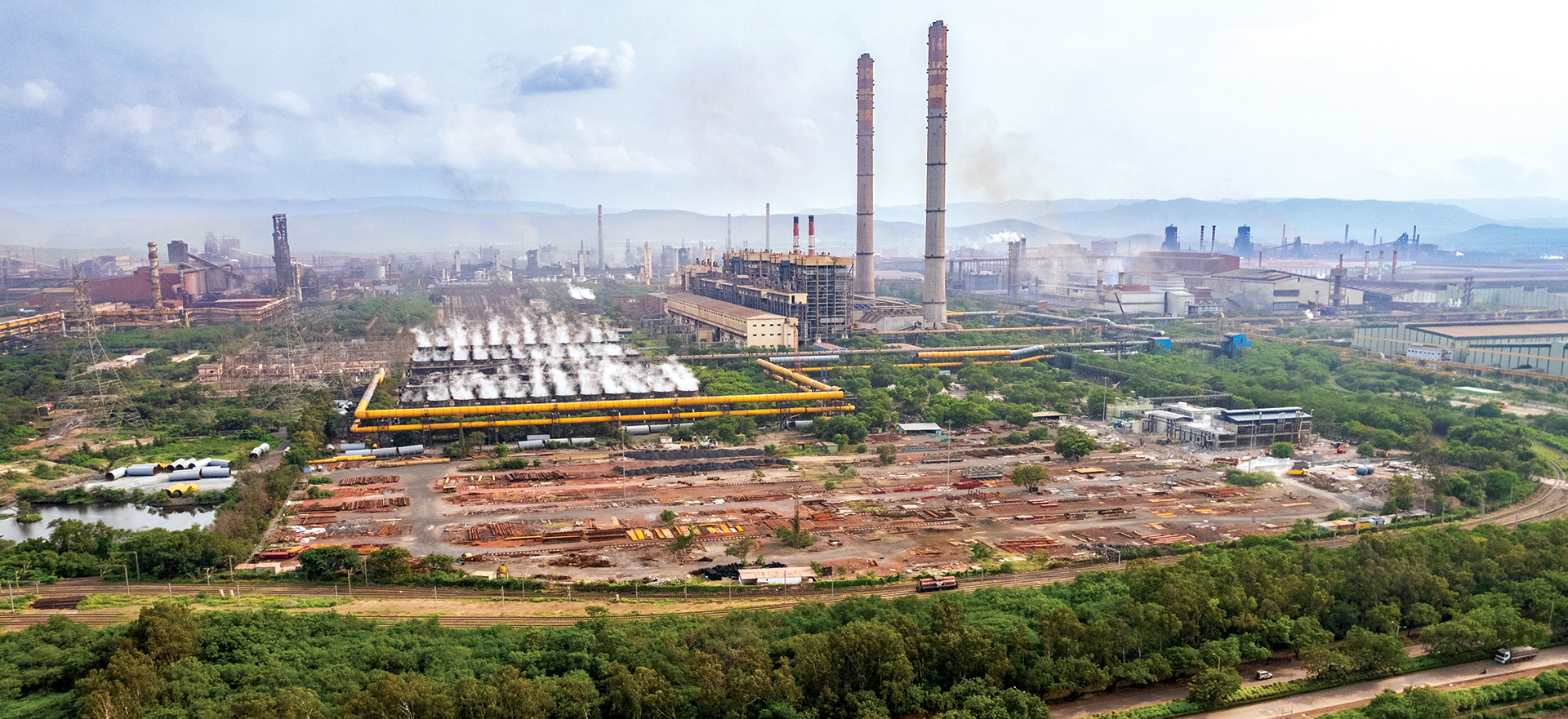
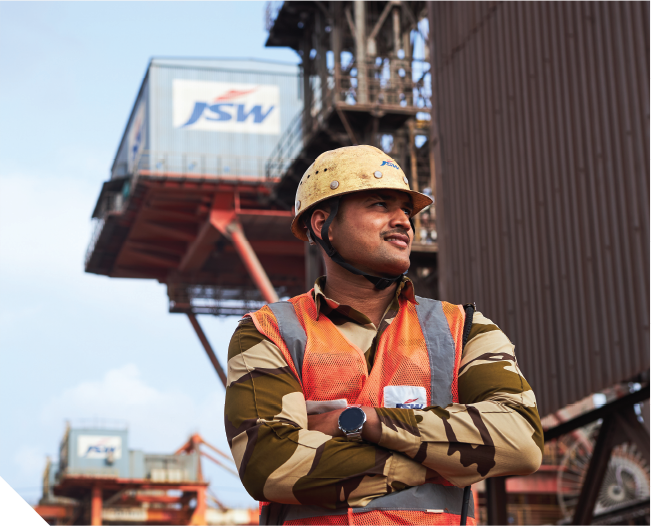
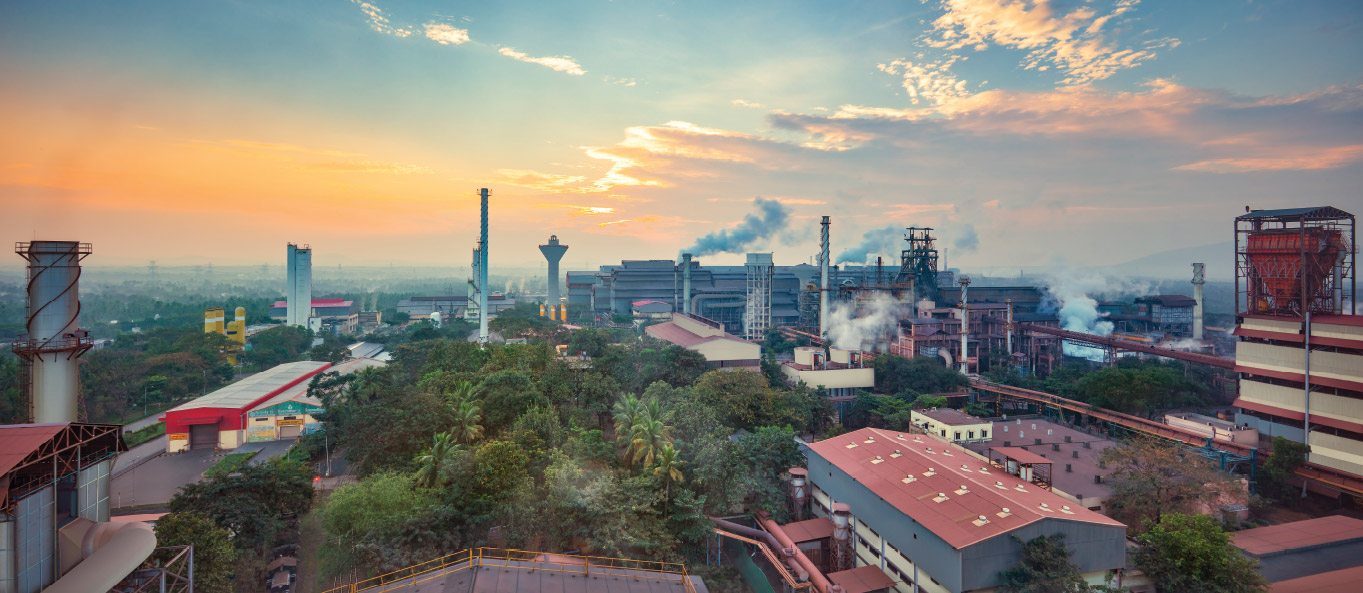
JSW Vijayanagar Works in Karnataka is the largest integrated steel facility in India, with an installed capacity of 19.5 MTPA. Over the past 26 years, it has grown into a flagship site recognised for advanced technology and operational excellence, reflecting the Company's commitment to innovation and sustainable steelmaking practices.

Iron ore consumption from captive mines

Digitalisation projects completed

Safety digital initiatives optimised with Man-machine Interface (MMI)
Capacity Iron ore Beneficiation plant
Captive power generation capacity
Pipe conveyor capacity
(13 MTPA operational)
Invested towards digitalisation
Invested towards environment
Spent on health and safety

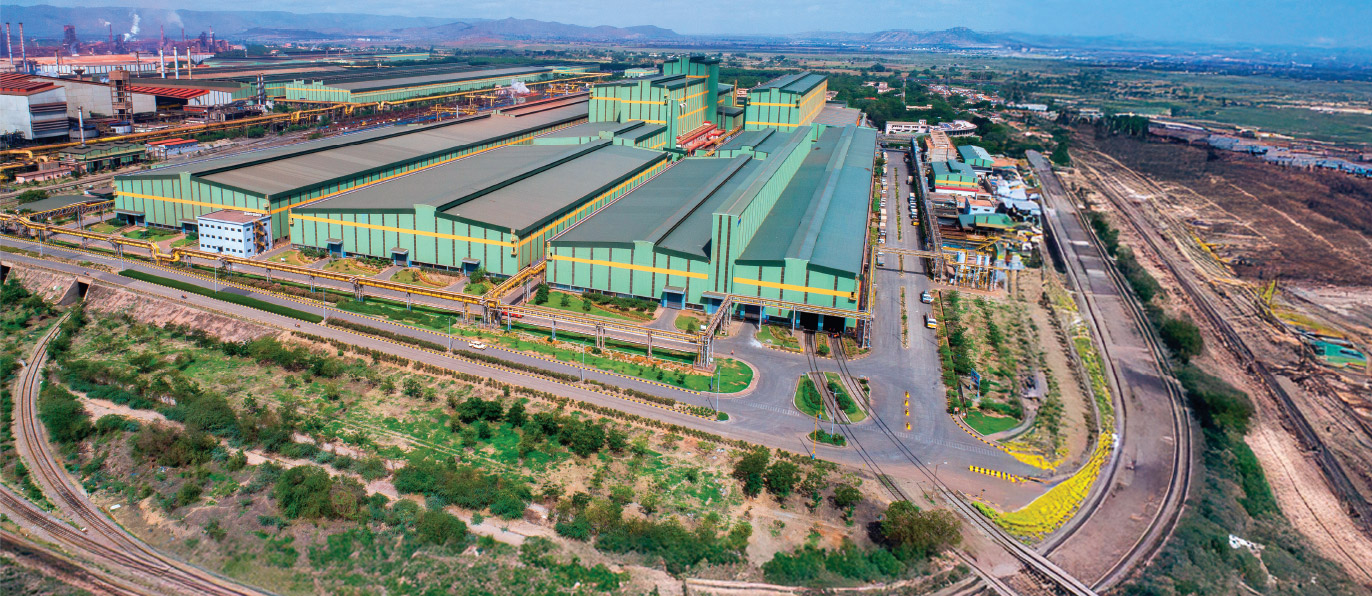
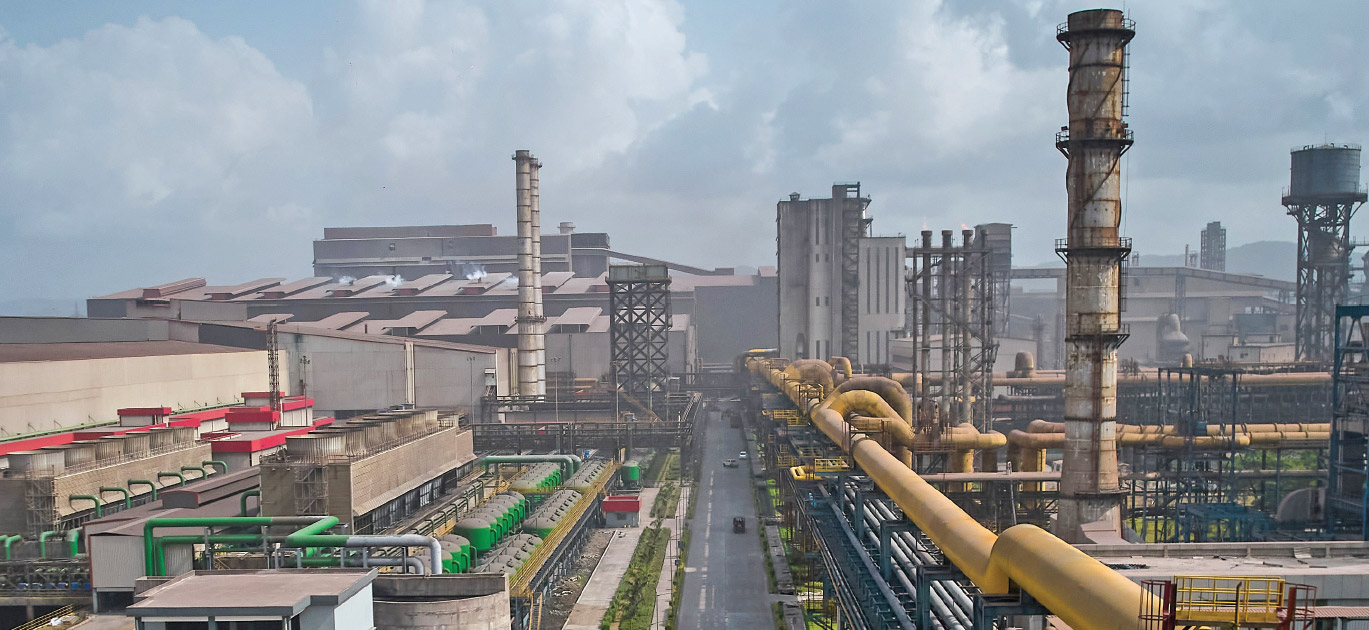
JSW Dolvi Works is a 10 MTPA integrated steel complex that exemplifies transformation and technological progress. Since its acquisition in 2010, the facility has been scaled up from 3.3 MTPA to 10 MTPA through well-planned brownfield expansions. Focused on flat steel, it has a capacity of 8.5 MTPA in flat products and 1.5 MTPA in long products. The plant was among the first in India to adopt Conarc technology for steelmaking and compact strip production of hot rolled coils and is equipped with a dry gas cleaning plant and an energy recovery system in its steel melt shop.
Iron ore consumption from captive mines
Digitalisation projects completed
Safety digital initiatives optimised with Man-machine Interface (MMI)
Capacity
Capacity in flat products
Captive power generation capacity
Invested towards digitalisation
Invested towards environment
Spent on health and safety
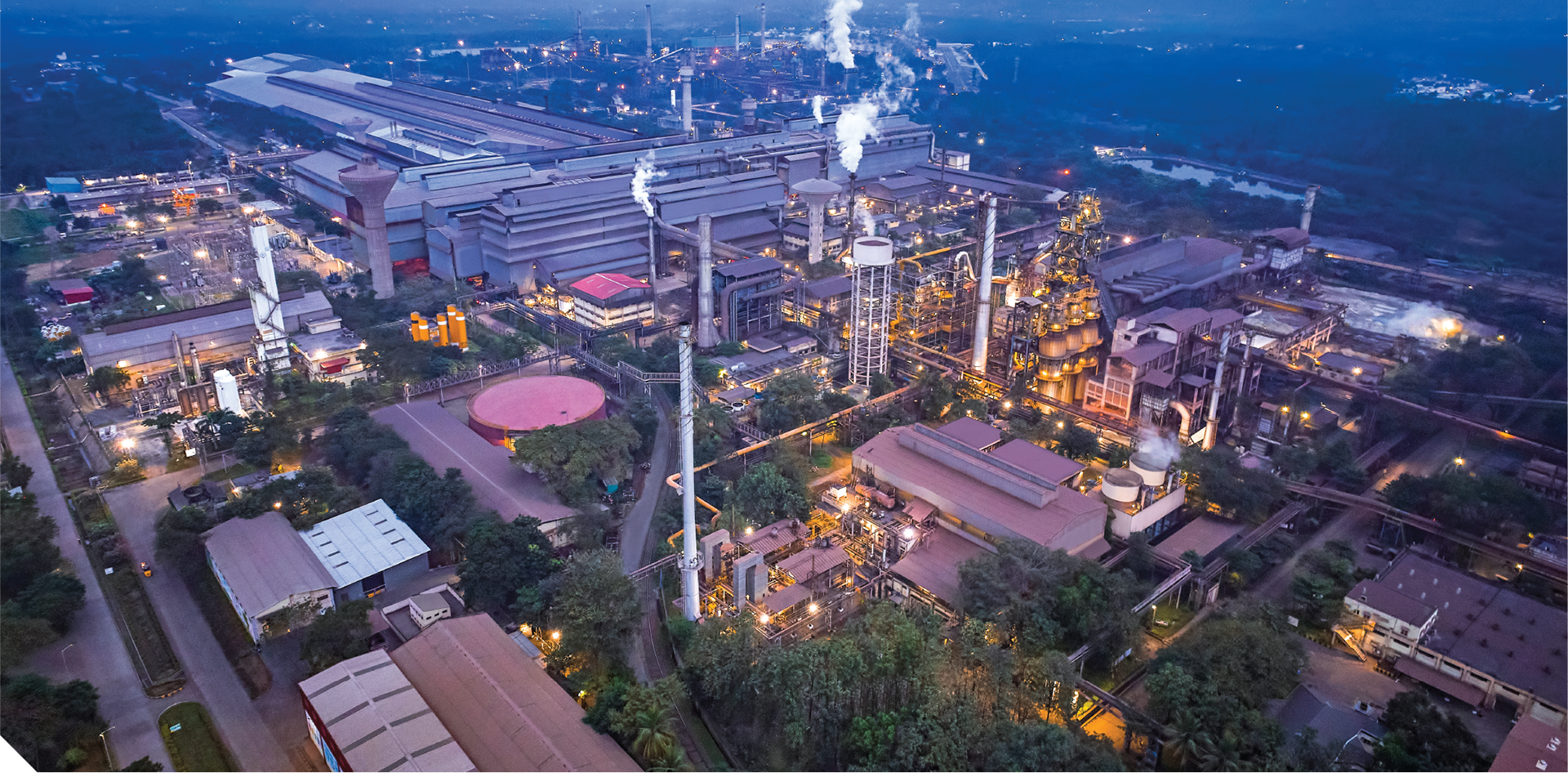

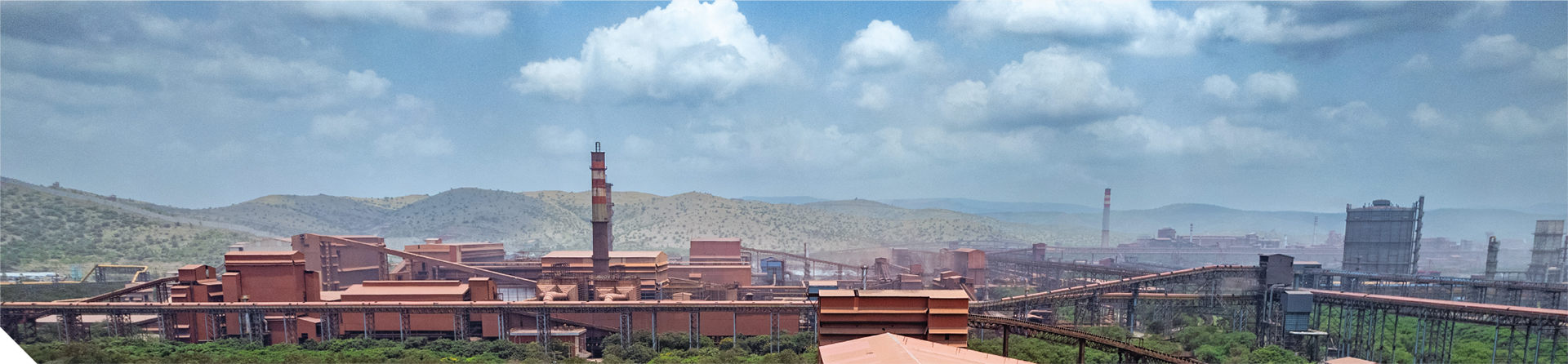
JSW Salem Works is India’s largest speciality steel facility, with an installed capacity of 1.2 MTPA. Equipped with advanced manufacturing capabilities, the plant is a leading producer of special alloy steel long products in the country, catering to diverse industries with a strong focus on precision, quality and innovation.
Iron ore consumption from captive mines
Digitalisation projects completed
Safety digital initiatives optimised with Man-machine Interface (MMI)
Capacity
Captive power generation capacity
Special steel grades
Invested towards digitalisation
Invested towards environment
Spent on health and safety
Continuous Upgrade in Casting Machine (CCM-1)
The upgrade of CCM-1 enables production of larger 200 mm billets with advanced technologies such as FEMS and improved cooling systems, significantly enhancing quality, reducing defects and enabling high-grade steel applications. It also minimises the need for billet grinding, improving yield and reducing operational costs.
Automatic Billet Grinding Machine #4 (ABGM-4)
The installation of ABGM-4 increases grinding capacity by 4,500 MT per month, addressing existing bottlenecks and supporting rising demand for valueadded steel grades. This enhancement strengthens surface quality capabilities and ensures compliance with stringent requirements for critical applications.
Ladle Refining Furnace (LRF-5) & Vacuum Degassing (VD-3)
The addition of LRF and VD facilities enhances steel quality through improved control over temperature, composition and gas removal, enabling production of cleaner and higher-grade steels. This integration also increases capacity from 1.0 MTPA to 1.2 MTPA, supporting growing demand for premium products.
Additional Coal Bins for Coke Oven Plant
The installation of two additional coal bins improves material handling flexibility and enables efficient use of diverse coal types. This upgrade enhances process efficiency, ensures operational continuity and supports evolving coke-making requirements.
New Township & Employee Hostel
The development of a modern township with 140 residences, a bachelor hostel and lifestyle amenities such as a gym, crèche and landscaped recreational spaces enhances employee well-being and work-life balance. This initiative fosters a vibrant community environment, supporting employee satisfaction, engagement and productivity.
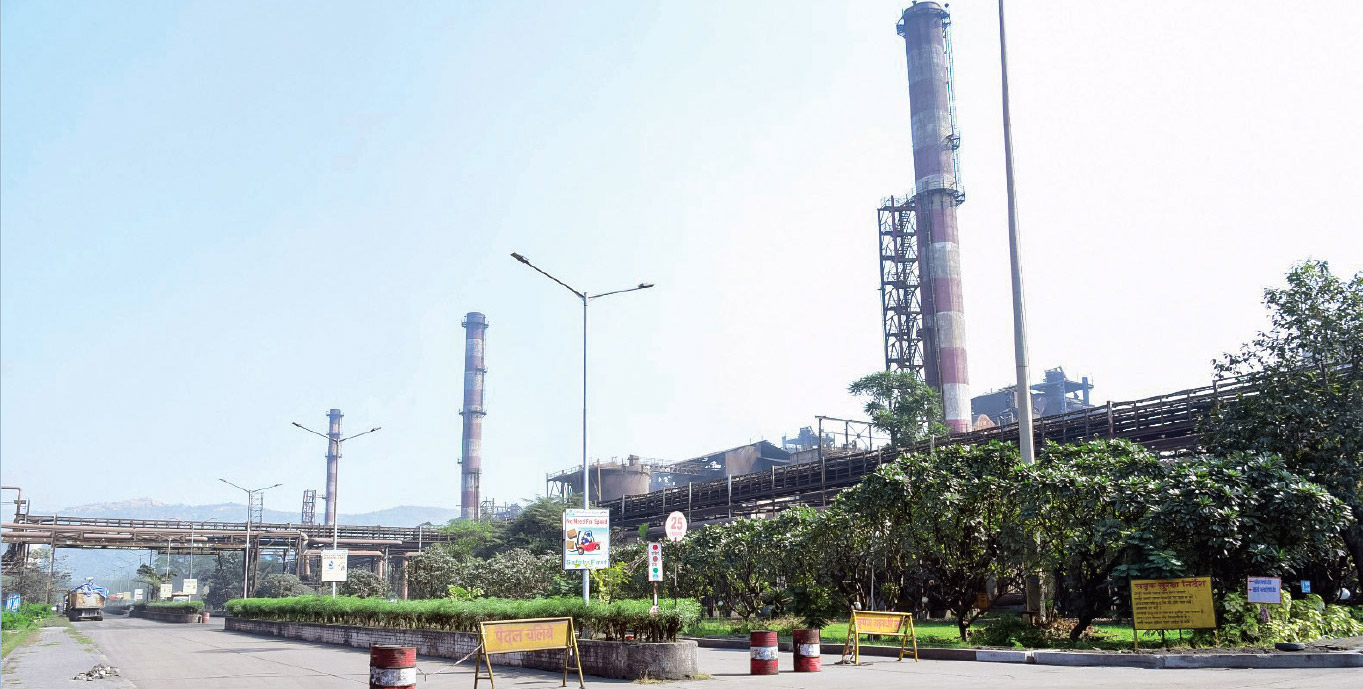
JSW Raigarh Works is a fully integrated facility with a crude steel capacity of 0.95 MTPA. Recognised for its precision and consistent quality, the plant focuses on manufacturing high-grade special alloy steels across both long and flat product segments, catering to a wide spectrum of industrial applications.
Iron ore consumption from captive mines
Digitalisation projects completed
Capacity
Captive power generation capacity
Invested towards digitalisation
Invested towards environment
Spent on health and safety
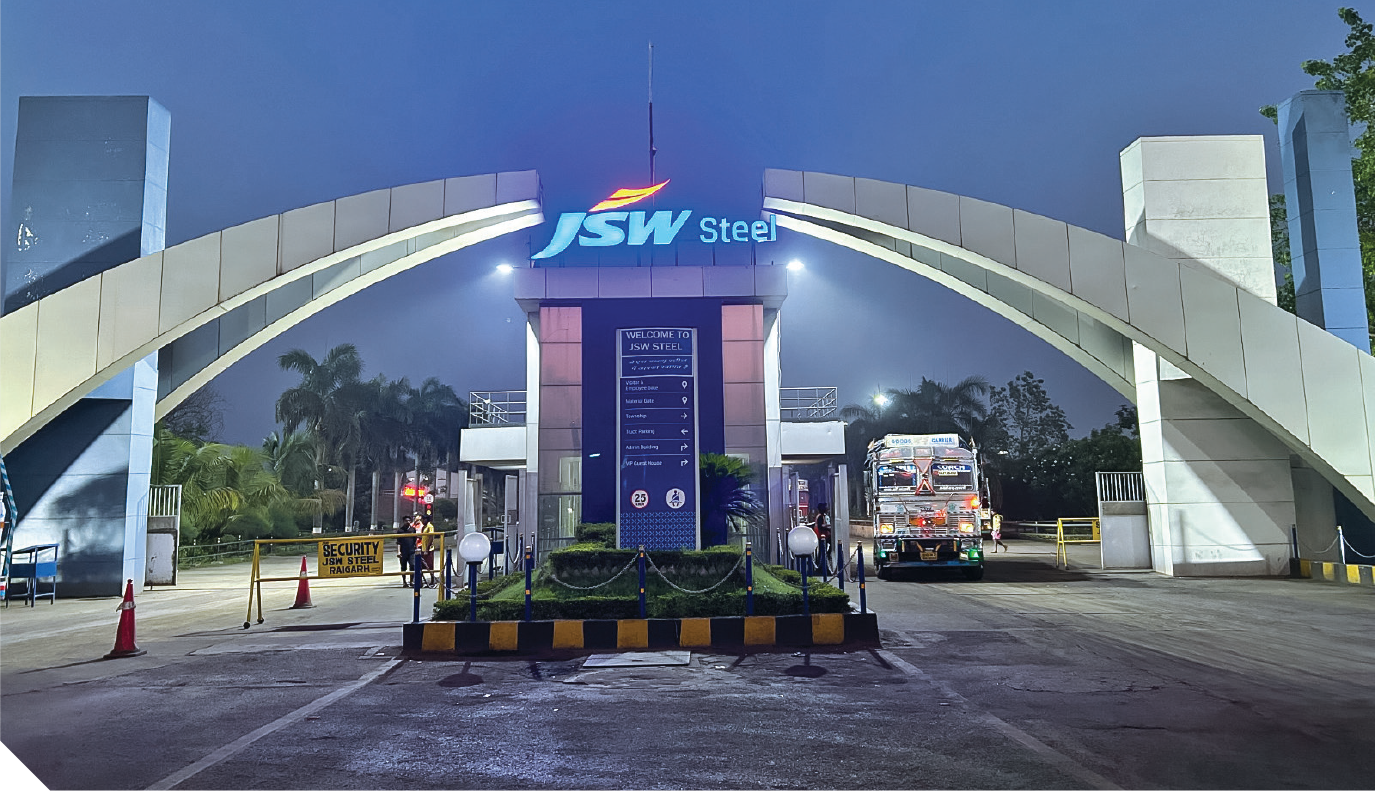
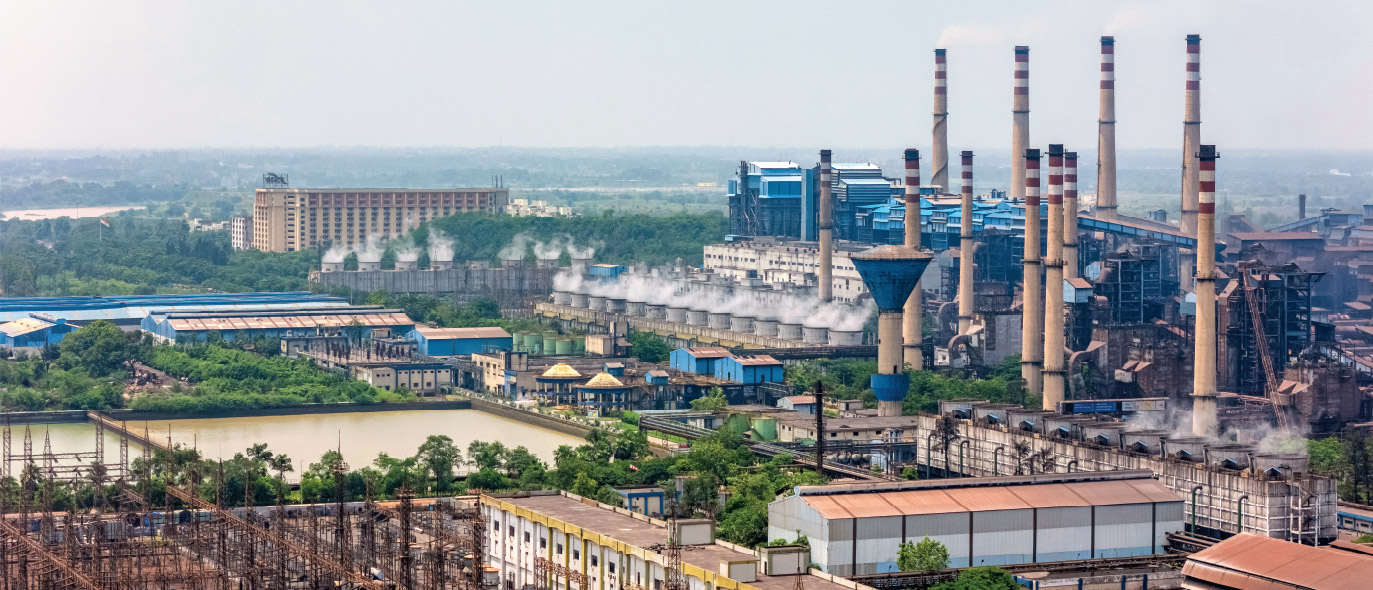
Acquired by JSW Steel in March 2021 through the Insolvency and Bankruptcy Code, BPSL is an integrated steel producer based in Sambalpur, Odisha. Operating at a capacity of 4.5 MTPA. BPSL also boasts a downstream capacity of 1.8 MTPA across Sambalpur, Kolkata and Chandigarh. Renowned as one of India's largest alloy steel producers, BPSL has an impressive 1.2 MTPA alloy steel manufacturing capacity, further strengthening its footprint in the sector.
Specific GHG emission
compared to FY 2024-25Specific freshwater consumption
compared to FY 2024-25LTIFR
Achieved against target of 0.20Crude steel production
compared to FY 2024-25Capacity
Captive power generation capacity
Invested towards digitalisation
Invested towards environment
Invested towards health and safety
The Zero Tailing initiative aims to eliminate tailings generation by incorporating all materials, including ultra-fines, into the final product stream. This approach promotes efficient resource utilisation and aligns with the plant’s sustainability and waste minimisation goals. This will provide multiple environmental and operational benefits, including:
JSW Steel Coated Products Limited is India’s largest producer and exporter of coated steel products, with an installed capacity of 5.3 MTPA. Operating through eight plants across the country, the Company offers a diversified portfolio comprising galvanised, galvalume, CRCA, colour-coated, and tin mill products. With a domestic market share exceeding 45%, JSW SCPL continues to strengthen its position as a globally competitive and consumer-focused brand.
Digitalisation projects completed at seven locations
Safety digital initiatives optimised with Man-machine Interface (MMI)
Capacity
Invested towards digitalisation
Invested towards environment
Invested towards health and safety
JSW Steel USA serves the North American market through its facilities in Mingo Junction and Baytown. The Mingo Junction Works features a 1.5 MNTPA steelmaking unit and a 3.0 MNTPA continuous caster, with a comprehensive modernisation of its Consteel Electric Arc Furnace and caster completed in 2022.
To enhance market offerings, the Company has entered a strategic alliance with Allegheny Technologies Incorporated to toll-roll hot rolled coils at its advanced facility in Brackenridge. The Mingo Junction facility caters to diverse sectors such as metal buildings, utility infrastructure, renewable energy, pipes and tubes, steel grating, service centres and railcar manufacturing.
The Baytown facility includes a 1.2 MNTPA plate mill and a 0.55 MNTPA large-diameter LSAW pipe mill. Following a major plate mill modernisation in 2022, the second phase of upgrades is underway and expected to be completed in 2026. This facility serves a wide range of applications, including railcars, utility structures, marine and offshore installations, storage tanks, bridges, heavy equipment, wind energy and API-grade pipelines for oil and gas.
Operating EBITDA
Plate Mill capacity utilisation
Steelmaking capacity utilisation
Steelmaking capacity at the Mingo Junction Works and a 3.0 MTPA continuous caster
Plate mill capacity at the Baytown facility
LSAW pipe mill at the Baytown facility
Invested towards environment
Invested towards health and safety
JSW USA has undertaken a comprehensive capital expansion project which includes the installation of a Vacuum Tank Degasser (VTD) and Caster Dynamic Soft Reduction technology (DSR) at its Mingo Junction facility. Commissioning of the upgrades to the caster were completed in FY 2025-26. The commissioning of the VTD will be completed in FY 2026-27. In addition to improving the quality of existing product offerings, the VTD and DSR projects will allow the Mingo Junction facility to access the growing markets of HRC, support API applications and produce domestic slabs for all requirements of the Baytown plate mill including heavy plate and line pipe.
The upgrades will further insulate JSW USA from any offshore dependence for its semifinished raw materials. The Baytown plate and pipe mills are also in the process of modernising their existing facilities. The first phase of the plate mill modernisation was completed and commissioned in FY 2021-22. The second phase is expected to be commissioned in FY 2026-27. In addition to offshore wind, this capital expansion will enable the Baytown facility to produce plates for applications including heavy plates for pressure vessels, bridges, mining and agricultural equipment, shipbuilding and offshore structures for oil and gas production.
Steel demand and pricing environment in the US are expected to be favourable in FY 2026-27 and we expect a strong orderbook across all our product segments — HRC, plates, slabs and LSAW pipes. With the upgrades being commissioned in FY 2026-27, JSW will strengthen its footprint as a supplier of choice for customers across various end markets. JSW Steel USA will focus its efforts in FY 2026-27 to commission the upgrades in both facilities, pursue product development, qualify with key customers for new grades, ramp up volumes and capitalise on opportunities in the market.
JSW Steel USA will continue to build a future grounded in a powerful vision, disciplined operations and focused strategic execution, positioning it to take full advantage of upcoming infrastructure projects in the US, as well as energy related modernisation and expansion of the US energy grid coupled with onshoring of commercial and industrial facilities.
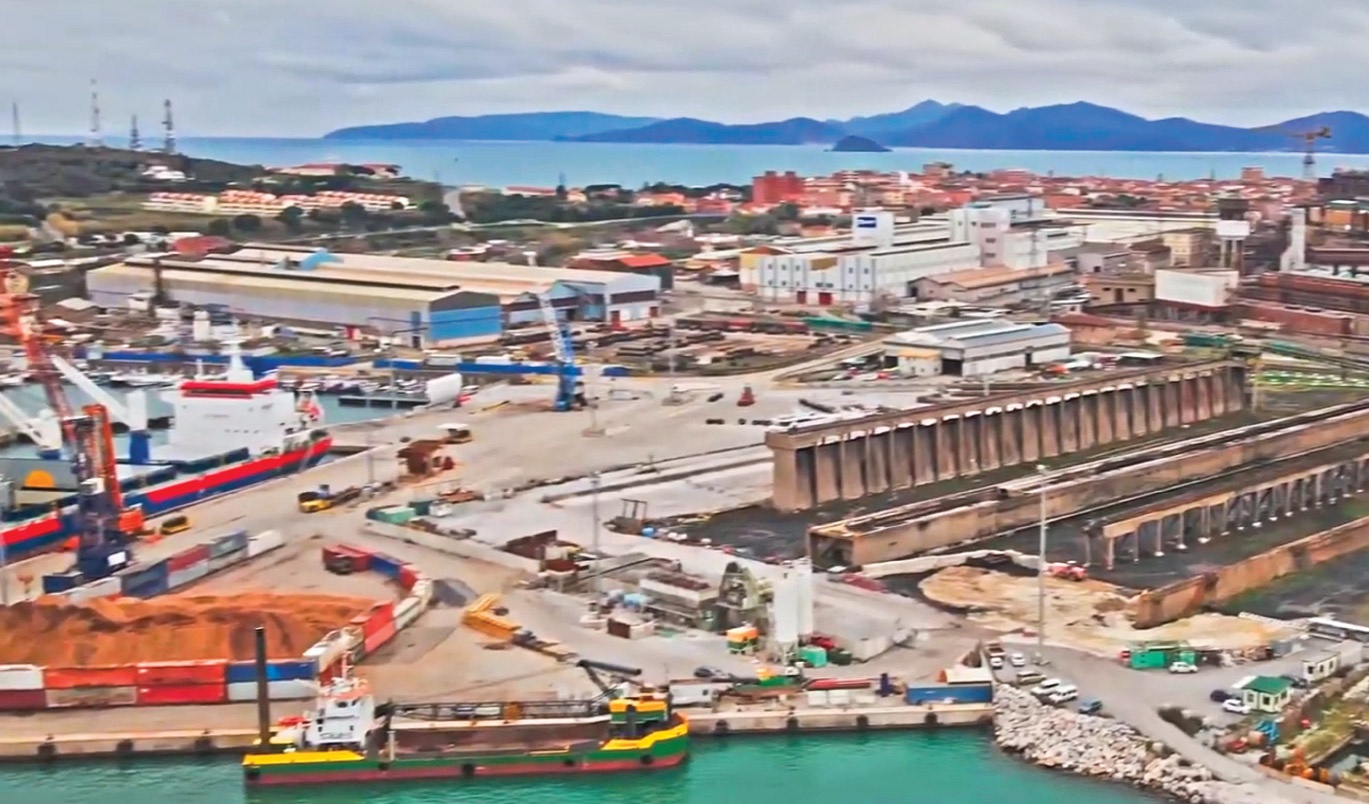
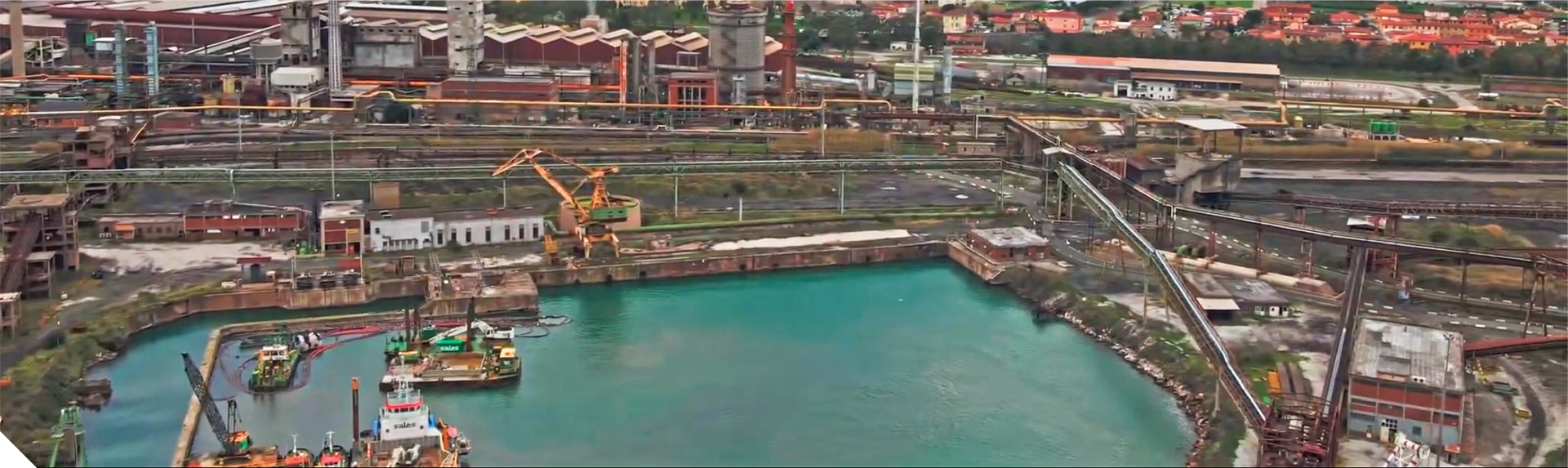
JSW Steel Italy Piombino S.p.A. (formerly Aferpi S.p.A.), together with Piombino Logistics S.p.A. and GSI Lucchini S.p.A., forms a key part of the Company’s European footprint. Located in Piombino, the integrated facility focuses on special long steel products and includes a rail mill (0.32 MTPA), a grinding media unit (0.05 MTPA) and a captive industrial port. Piombino Logistics manages port operations, capable of handling vessels up to 60,000 tonnes, thereby strengthening supply chain efficiency across Europe and international markets.
Operating EBITDA
Profit after tax
Capacity utilisation
Rail mill production Up by 8% y-o-y
Rail mill capacity
Grinding media
Capacity to handle ships
Invested towards digitalisation
Invested towards environment (MISO/ asbestos and dismantling costs)
The Company has achieved the targeted parameters.
Invested towards health and safety
The investment plan presented for the modernisation of the rail train includes its complete restructuring based on three primary objectives:
The Group considers the launch of this investment programme to be crucial, particularly as it represents one of the necessary conditions for increasing the value of the supply contract with RFI. Specifically, this modernisation project entails a financial commitment of €144 million and includes the installation of a breakdown plant, a tandem rolling mill, and a hardened rail production plant. To date, the Company has awarded contracts amounting to approximately €85 million, including the main plant component with its German counterpart SMS for a value of €51 million, for which a letter of credit has already been opened for supplies.
The Company is expecting the amended Accordo di Programma with the Italian government shortly and will commence groundwork thereafter. It has also contracted an Italian company for civil works totalling €19.3 million and continues negotiations with other suppliers for auxiliary equipment.
The Company is planning the start of ground execution for the Rail Modernisation project in the second half of the quarter during FY 2026-27 after completing the requisite formalities including signing of Agreement with the Government. The modernisation project will strengthen the Company’s position in the supplying quality Rails with higher length, Head hardening facilities at a better operating parameters.
Modernisation project
| FY 2025-26 | FY 2024-25 | Growth (%) | |
|---|---|---|---|
| Revenue from operations | 1,85,470 | 1,68,824 | 10% |
| Other income | 1,248 | 694 | 80% |
| Reported EBITDA | 29,821 | 22,904 | 30% |
| Reported EBITDA margin (%) | 16.1% | 13.6% | - |
| Adjusted EBITDA | 32,048 | 22,964 | 40% |
| Adjusted EBITDA margin (%) | 17.3% | 13.6% | - |
| Depreciation and amortisation expense | 9,601 | 9,309 | 3% |
| Finance costs | 9,102 | 8,412 | 8% |
| Profit before exceptional items | 12,366 | 5,877 | 110% |
| Share of profit/(loss) of joint ventures and associates (net) | (475) | (311) | - |
| Exceptional items | 17,359 | (489) | - |
| Tax expense/(credit) | 3,742 | 1,586 | 136% |
| PAT | 25,508 | 3,491 | 631% |
| Earnings per share (diluted) (₹) | 91.25 | 14.32 | - |
FY 2025-26 highlights
Consolidated crude steel production
Consolidated sales volume
Crude steel production at Indian operations
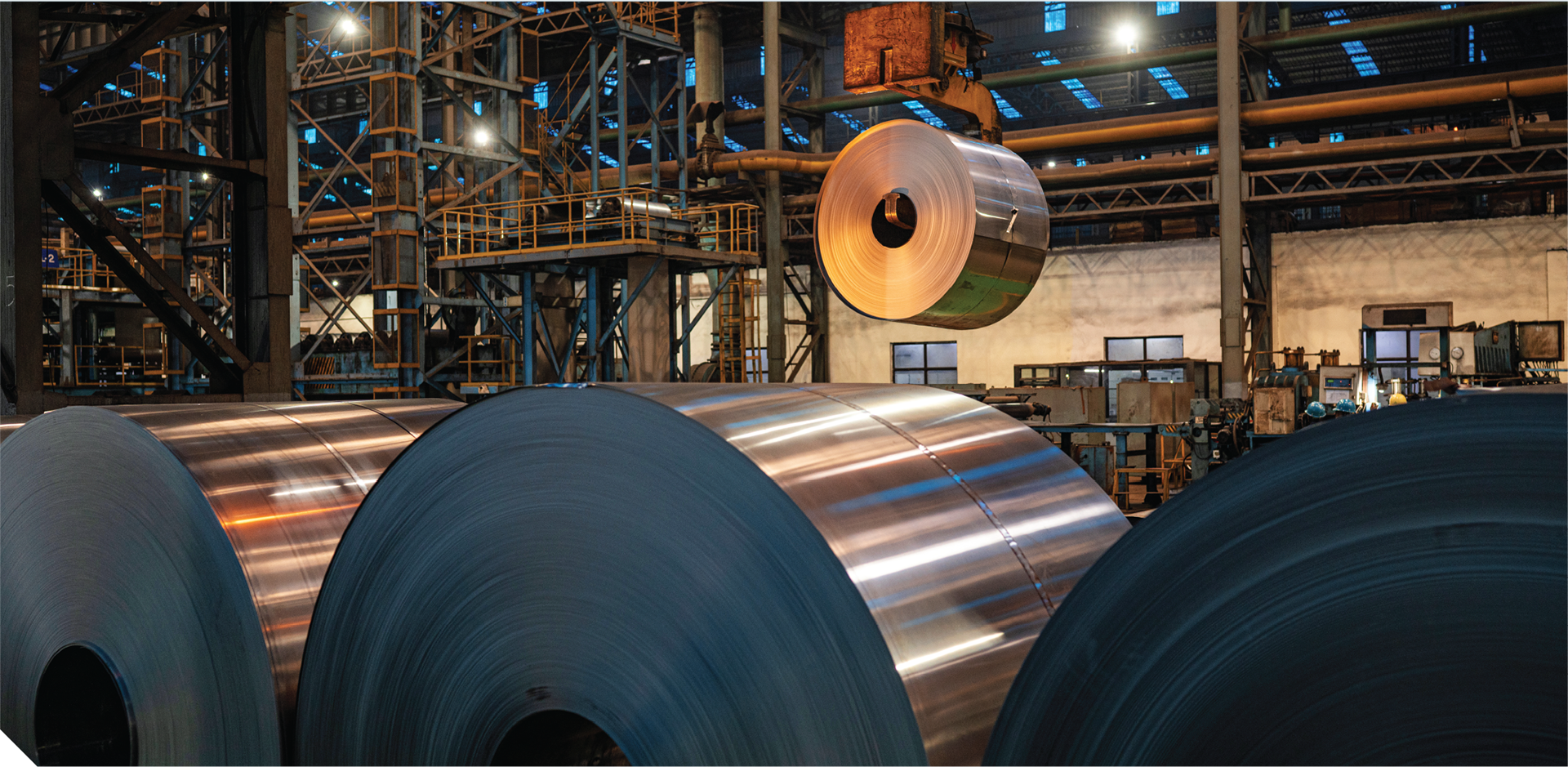
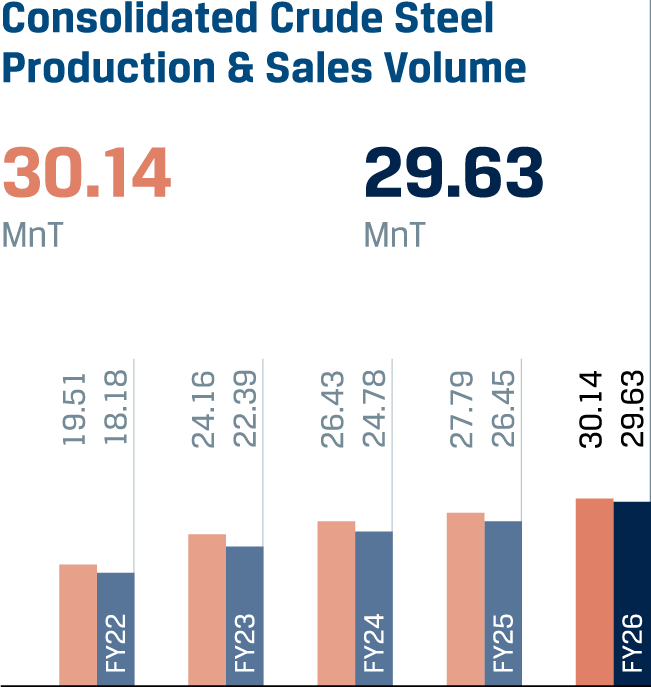
India's crude steel production grew by 11% to 169.3 MnT in FY 2025-26, while apparent steel consumption increased by 8.1% to 164.2 MnT, reflecting resilient domestic demand supported by sustained government infrastructure spending, continued momentum in automobile and other end-use sectors, and early signs of recovery in global demand. During the year, steel imports declined by 21.9% y-o-y to 8.2 MnT, while exports rose by 31.7% to 8.3 MnT, enabling India to transition back to a net exporter after two consecutive years as a net importer; this shift was aided by moderation in imports following safeguard duty measures, despite continued pricing pressures from elevated Chinese exports. Looking ahead, the Government's ongoing capital expenditure push is expected to further underpin domestic steel demand in FY 2026-27.
Against this backdrop, the Company delivered a strong consolidated performance in FY 2025-26. During the year, the Company reported highest-ever consolidated steel sales of 29.63 MnT*, an increase of 12% y-o-y, supported by improved capacity utilisation and ramp-up of volumes across key subsidiaries at Indian Operations.
Consolidated crude steel production stood at 30.14 MnT*, registering highest ever annual consolidated production with a growth of 8% y-o-y. Capacity utilisation improved to 92% (excluding BF-3 capacity, which was under shutdown for capacity upgradation) during the year as compared to 91% in FY 2024-25, reflecting stable operations and higher throughput across facilities.
The consolidated Indian operations domestic sales stood at 25.96 MnT, an increase of 10% y-o-y, driven by robust domestic demand for steel. The Company achieved its highest year Value-Added Special Products (VASP) sales at 17.57 MnT, an increase of 14% y-o-y, and accounted for 61% of the total sales for the year. The Company's branded products' sales stood at 48% of the total retail sales. The consolidated Indian operations export of steel products stood at 2.8 MnT, up by 35% y-o-y and accounting for 10% of the total sales, as against 8% in FY 2024-25.
The EAF-based steel manufacturing facility in Ohio, USA, produced 9,13,150 net tonnes of Slabs during FY 2025-26. Capacity utilisation was 63% during the year. Sales volumes for FY 2025-26 stood at 2,39,146 net tonnes of HRC and 7,18,484 net tonnes of Slabs.
The increase in production and sales volumes was driven by better performance from Indian operations, including higher utilisation levels and continued stabilisation of recently commissioned and expanded capacities across subsidiaries. Improved operational efficiencies and scale benefits supported volume growth during the year.
Overall, the Company's consolidated performance in FY 2025-26 was marked by healthy volume growth, higher capacity utilisation, and improved export traction, despite headwinds from softer steel prices. The Company remains well-positioned to benefit from sustained domestic demand, ongoing infrastructure investments, and a balanced market mix strategy going forward.
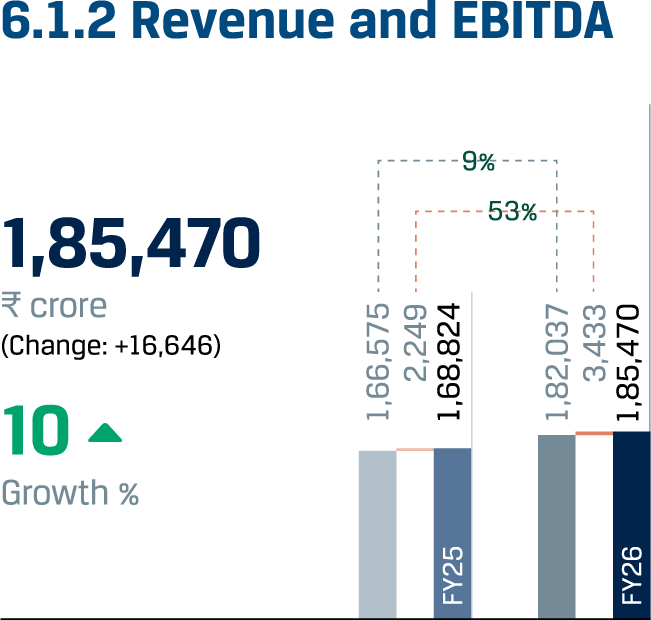
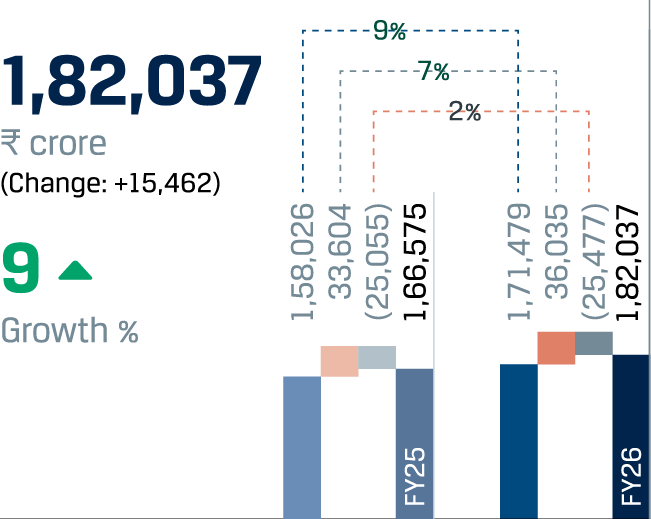
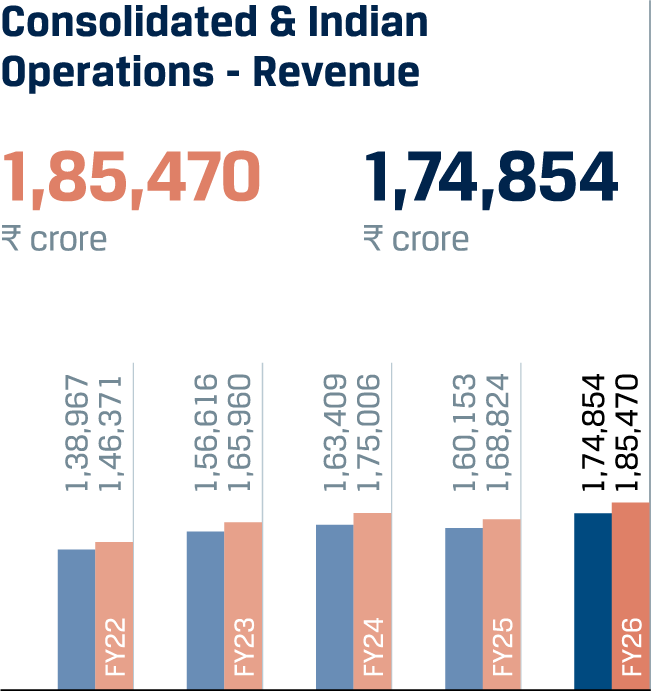
The Company’s consolidated revenue from operations increased by 10% year‑on‑year to ₹185,470 crore in FY 2025-26, primarily driven by higher steel sales. The growth in volumes was supported by healthy domestic demand and a recovery in export volumes during the year. The positive impact of volume growth was partially offset by marginally lower average sales realisations, reflecting continued pressure on steel prices amid elevated exports from China impacting regional pricing, particularly during the first half of the year.
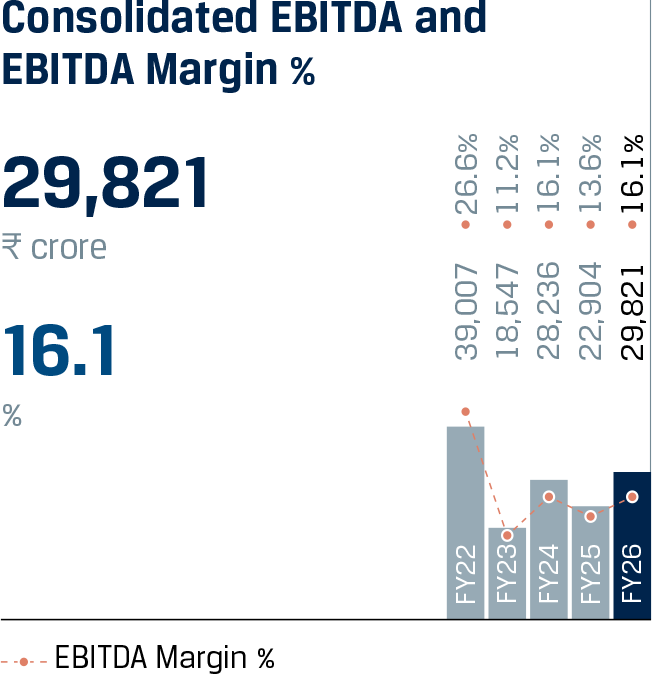
Consolidated operating EBITDA was ₹29,821 crore, a increase of 30% y-o-y with an EBITDA margin of 16.1%. EBITDA per tonne was ₹10,080 during FY 2025-26, up by 16% y-o-y, on account of decrease in overall cost per tonne, primarily in coking coal, Power & Fuel, which was partially offset by marginal decrease in average net sales realisation.
The domestic subsidiaries posted an operating EBITDA of ₹9,451 crore, as against an operating EBITDA of ₹4,792 crore during the previous year, primarily due to higher EBITDA from JSW Steel Coated Products Limited, JSW Vijayanagar Metallics Limited and Bhushan Power & Steel Limited.
The overseas subsidiaries posted an operating EBITDA of ₹653 crore, as against an operating negative EBITDA of ₹43 crore during the previous year, on account of higher profitability from US Baytown and Ohio operations.
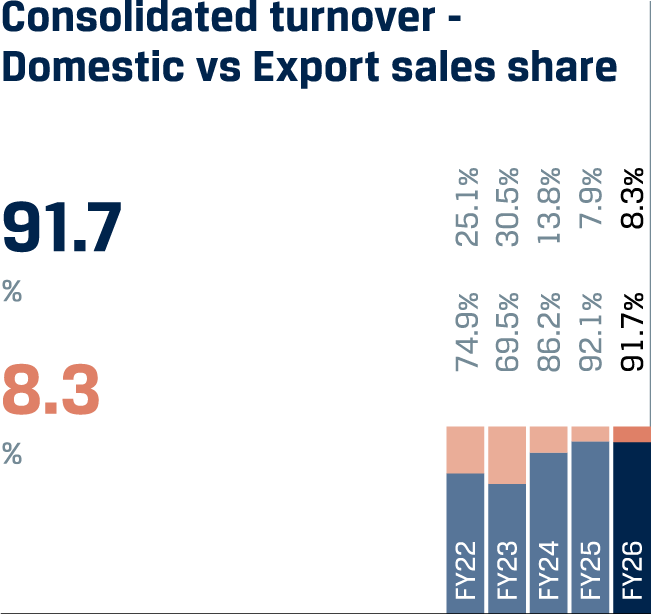
Domestic revenue increased by 8.8% y‑o‑y to ₹1,66,927 crore, due resilient domestic steel demand, supported by government spending on infrastructure, GST rationalisation and supportive monetary policy. Export revenue grew by 14.6% y‑o‑y to ₹15,110 crore, primarily on account of higher export volumes, partially offset by lower export realisations.
The sales realisation at Indian operations remained under pressure during the year due to increased steel and semi‑finished steel exports from China, which weighed on domestic pricing. However, moderation in steel imports following the imposition of safeguard duties and improving demand conditions supported price stability towards the latter part of the year.
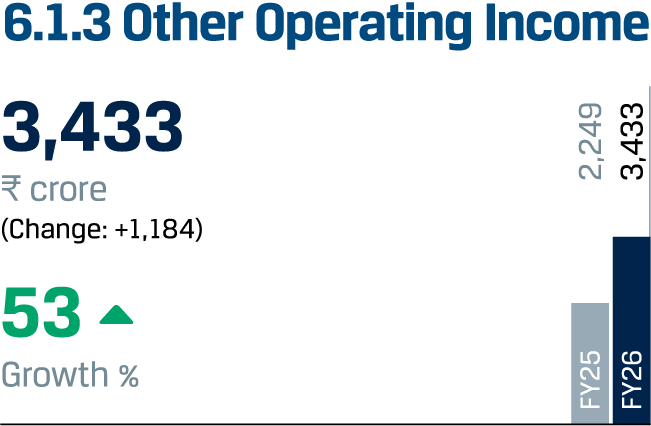
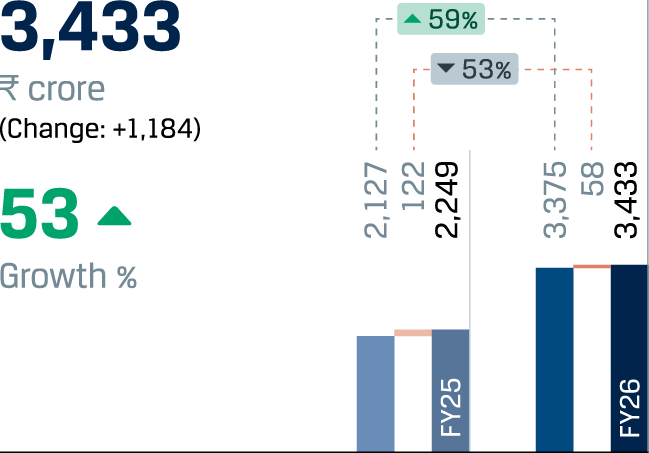
Other operating revenue for Indian operations was ₹3,375 crore in FY 2025-26 as compared to ₹2,127 crore in FY 2024-25, higher by ₹1,248 crore. Other operating income increased largely due to higher grant income under PSI 1993, 2007 and 2013 scheme by ₹847 crore, higher export promotion capital goods grant by ₹120 crore and higher export incentive by ₹31 crore due to higher export volumes.
Other operating income for overseas operations was ₹58 crore in FY 2025-26 as compared to ₹122 crore in FY 2024-25 lower by ₹65 crore. Other operating income is lower primarily due to lower scrap sales.
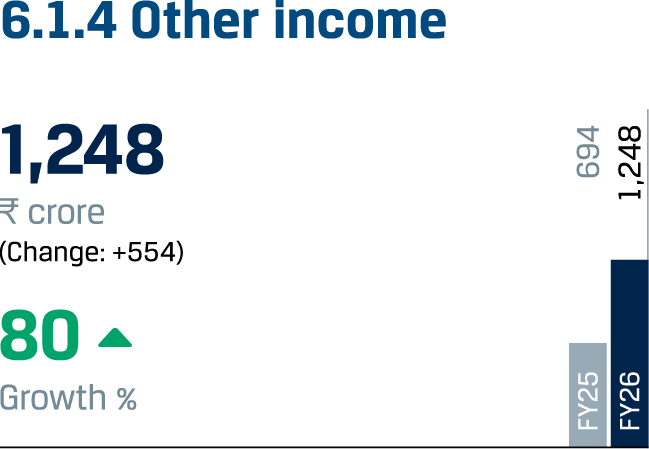
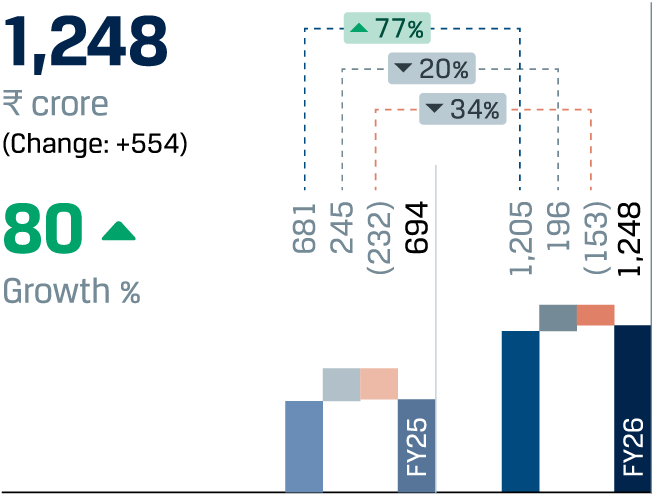
Other income was ₹1,248 crore in FY 2025-26 as compared to ₹694 crore, higher by ₹554 crore. Other income was higher on account of an increase in interest on bank deposits by ₹191 crore due to higher average amount of cash and bank balances parked in fixed deposits and higher gains on mutual fund investments by ₹340 crore.
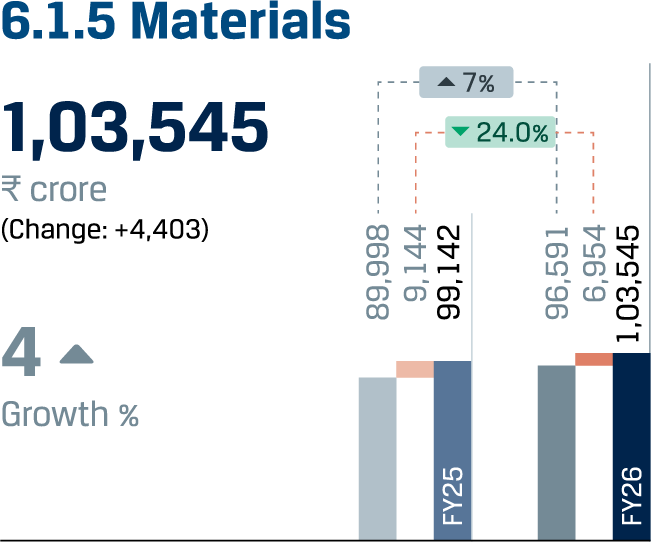
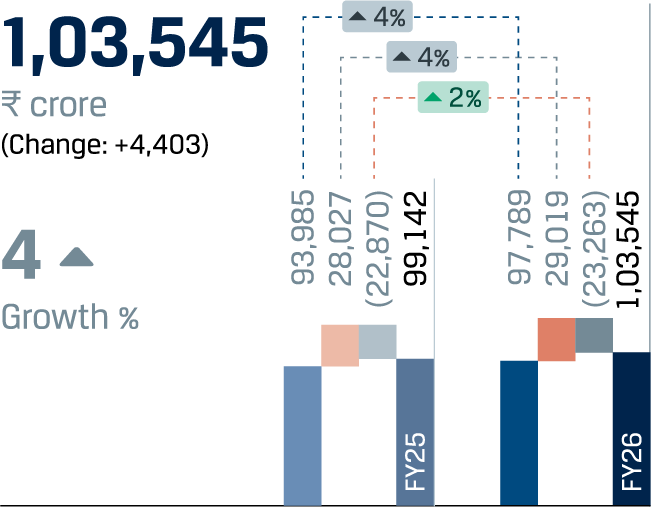
Overall expenditure on material consumption increased by 4% y-o-y to ₹1,03,545 crore primarily on account of higher volumes and the impact of unfavourable exchange rate movements between the Indian Rupee and the US Dollar.
Expenditure on material consumption for Indian operations increased 4% y-o-y to ₹97,789 crore primarily on account of higher volumes, unfavourable exchange rate movements between the Indian Rupee and the US Dollar, partially offset by lower coking coal prices.
Mining premium and royalties cost decreased by ₹2,190 crore (24%) in FY 2025-26 to ₹6,954 crore from ₹9,144 crore in FY 2024-25, on account of a decrease in overall volume of production of captive Iron ore mainly due to the surrendering of Jajang mines in Odisha in Q2 FY 2024-25.
Expenditure on material consumption for overseas operations increased by 4% y-o-y to ₹29,019 crore primarily on account of increased volumes partially offset by lower input costs.
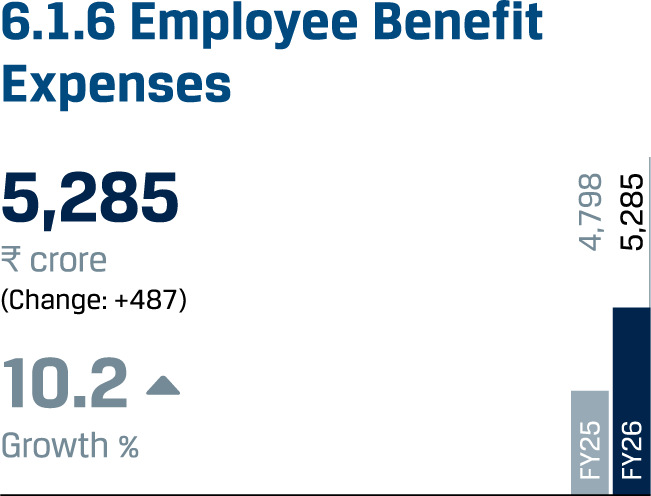
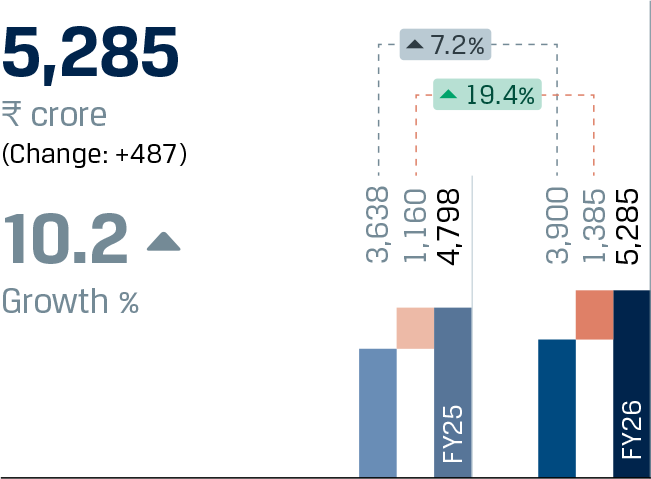
Employee benefit expenses for Indian operations were higher by ₹262 crore at ₹3,900 crore in FY 2025-26. The increase was primarily due to annual increments provided to employees, increase in manpower cost from JSW Vijayanagar Metallics Limited, a wholly owned subsidiary of the Company due to commissioning of the integrated steel making operations including Blast Furnace, one unit of converter and other allied facilities in current year and increase in overall headcount due to capacity additions.
Employee benefit expenses for overseas operations were ₹1,385 crore in FY 2025-26 due to increase in volumes in US operations.
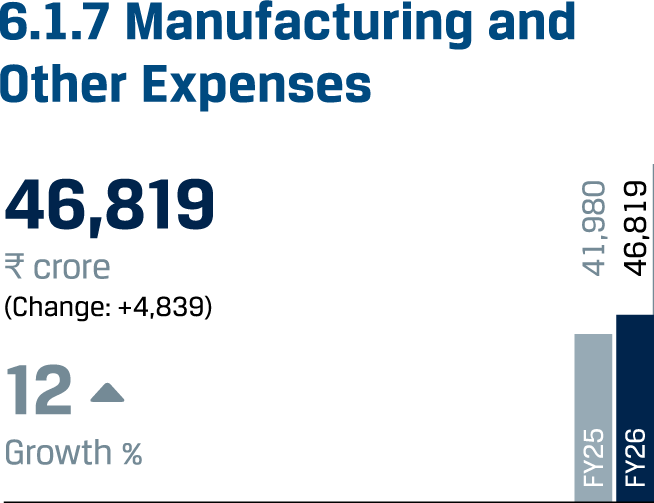
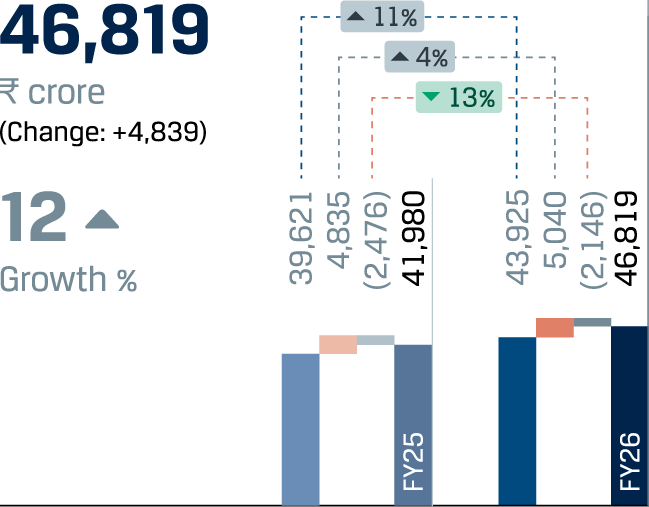
Manufacturing and other expenses for Indian operations increased 12% y-o-y to ₹46,819 crore primarily due to increase in repairs and maintenance costs by 15% and increase in stores and spares by 9%.
The overall power and fuel cost decreased by ₹9 crore to ₹16,152 crore from ₹16,161 crore due to decrease in steam coal prices and sourcing mix change in spite of exponential increase in operations of JSW Vijayanagar Metallics Limited.
Stores and spares consumption increased 9% y-o-y to ₹8,372 crore, primarily on account of overall increase in production volumes by 10% y-o-y. Carriage and Freight cost decreased marginally by ₹291 crore to ₹8,387 crore primarily due to lower ironore exports during the year.
Hedging Cost/Net exchanges loss increased by 598% y-o-y to ₹3,007 crore primarily on account of mark-to-market unrealised loss on foreign currency loans as the rupee depreciation against the US dollar was ~10.6% during FY 2025-26 as against the rupee depreciation of 2.1% in the previous year.
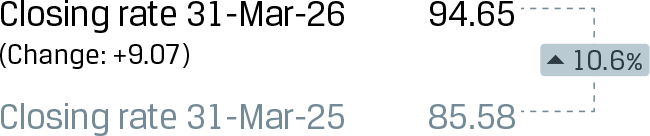
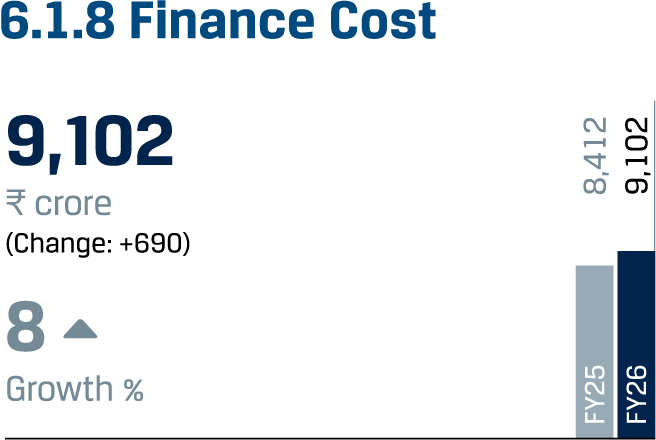
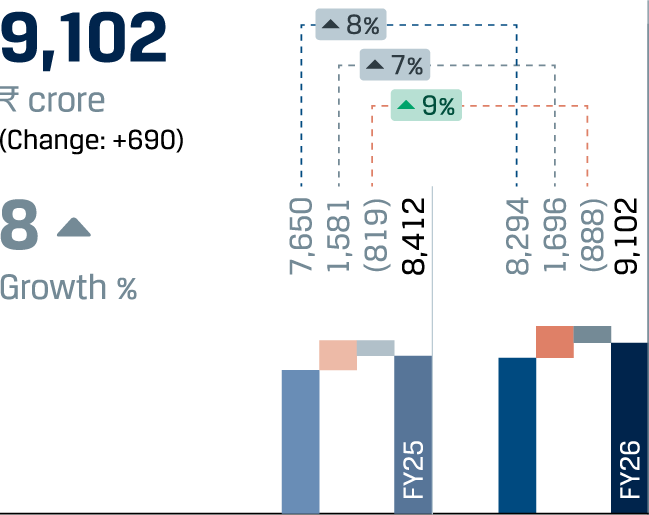
Finance cost at Indian operations increased 8% y-o-y to ₹8,294 crore primarily on account of higher borrowings and interest charge to statement of profit and loss account on account of capitalisation of Property, Plant and Equipment at JVML post commissioning of the integrated steel operations. However, the weighted average interest rate reduced 92 bps to 6.17% as at March 2026 as against 7.12% as at March 2025.
The increase in finance cost was also attributable to increase in foreign exchange rate fluctuations treated as part of finance cost as the rupee depreciation against the US dollar was ~10.6% during FY 2025-26 as against the rupee depreciation of 2.1% in the previous year partially offset by decrease in cost of acceptances due to lower level of acceptances during the year.
Finance cost at overseas operations increased by 7% to ₹1,696 crore from ₹1,581 crore primarily due to higher utilisation of working capital.
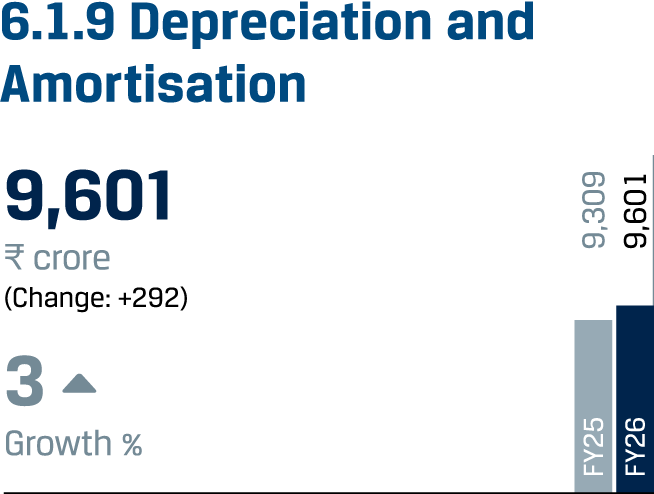
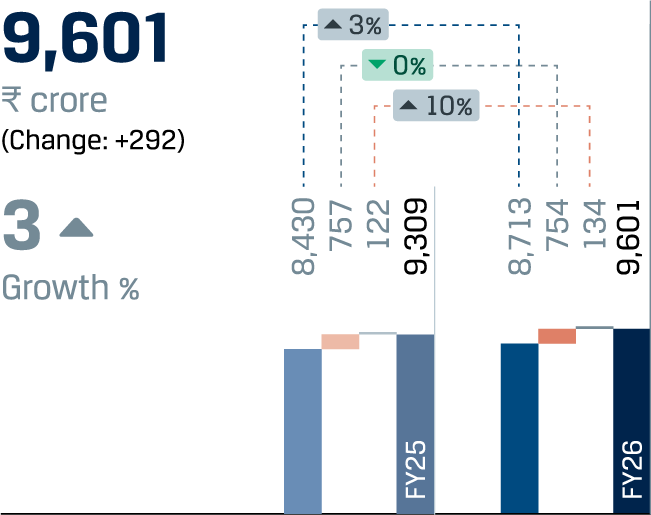
Depreciation and amortisation increased by 3% y-o-y to ₹9,601 crore primarily due to depreciation charge on capitalisation of Property, Plant and Equipment and accelerated depreciation charged on certain assets.
Depreciation charge at Indian operations increased by ₹283 crore, a 3% increase to ₹8,713 crore primarily due to capitalisation during the year and accelerated depreciation of ₹115 crore in respect of the technology overhaul of Blast Furnace‑3 during the year.
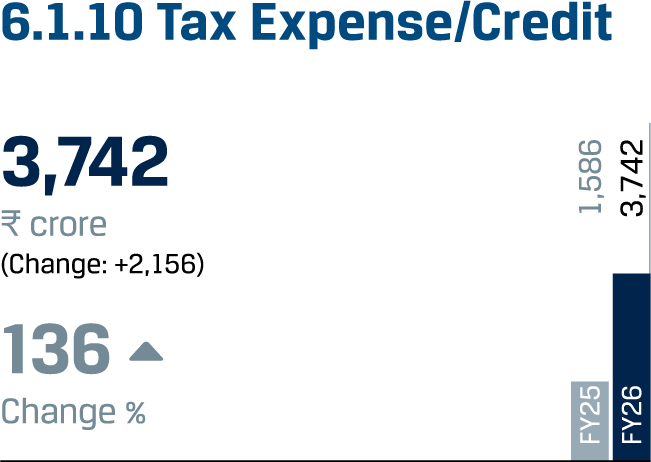
Tax expense was ₹3,742 crore compared to ₹1,586 crore in FY 2024-25 primarily due to higher profitability on account of higher EBITDA margins. The effective tax rate is 12.8% for FY 2025‑26 as compared to 31.2% in last year due to utilisation of brought forward losses on which deferred tax was not recognised in earlier years and lower tax rate and on gain on sale of steel undertaking of BPSL unit by way of slump sale.
| Particulars | Note | FY 2025-26 |
|---|---|---|
| Gain on BPSL slump sale | (a) | (18,051) |
| New Labour law code | (b) | 692 |
| Total | (17,359) |
There was an exceptional gain of ₹17,359 crore during the year comprising of the following items:
| FY 2025-26 | FY 2024-25 | Change | Growth (%) | |
|---|---|---|---|---|
| Property, Plant and Equipment | 1,09,532 | 1,16,814 | (7,282) | -6% |
| Capital work-in-progress | 21,892 | 20,478 | 1,414 | 7% |
| Investment Property | 66 | 163 | (97) | -60% |
| Goodwill | 655 | 643 | 12 | 2% |
| Right to use asset | 4,922 | 4,837 | 85 | 1% |
| Intangible assets | 1,954 | 2,009 | (55) | -3% |
| Intangible assets under development | 423 | 529 | (106) | -20% |
| Total Property, Plant and Equipment | 1,39,444 | 1,45,473 | (6,029) | -4% |
Net block of Property, Plant and Equipment reduced by ₹7,282 crore to ₹1,09,532 crore primarily on depreciation cost of ₹9,601 crore, sale of steel undertaking unit of BPSL to JSW JFE Steel Limited ₹13,345 crore (net of accumulated depreciation) by way of slump sale partially offset on account of capitalisation of assets amounting to ₹13,927 crore relating to Battery C of Coke Oven 5 of capacity 0.75 MTPA & 13 MTPA expansion at Vijayanagar works, and balance facilities relating to the 10 MTPA expansion at Dolvi works, mining equipment at Odisha, the second converter at the SMS, the other allied facilities like Raw material handling system, Sinter plant, lime calcination plant has been commissioned at JVML, assets acquired pursuant to acquisition of Minas de Revuboe Limitada, special projects and sustenance capex across all the plant locations.
Capital work-in progress increased by ₹1,414 crore to ₹21,892 crore primarily related 10 MTPA expansion at Dolvi works which is offset by capitalisation of assets during the year.
The Right to use asset increased by ₹85 crore to ₹4,922 crore, primarily on account of commence of contract relating to Air Separator Unit at Vijayanagar works, cargo handling at ports and coal washing plant in Jharkhand partially offset by sale of steel undertaking unit of BPSL to JSW JFE Steel Limited ₹946 crore (net of accumulated depreciation) by way of slump sale and depreciation charge during the year.
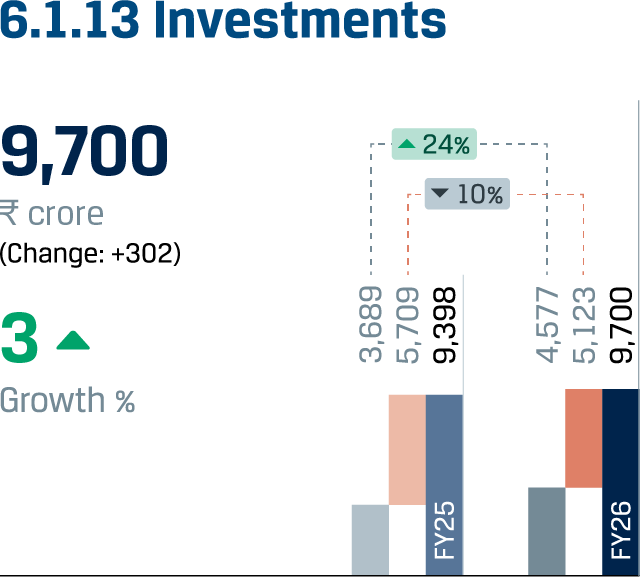
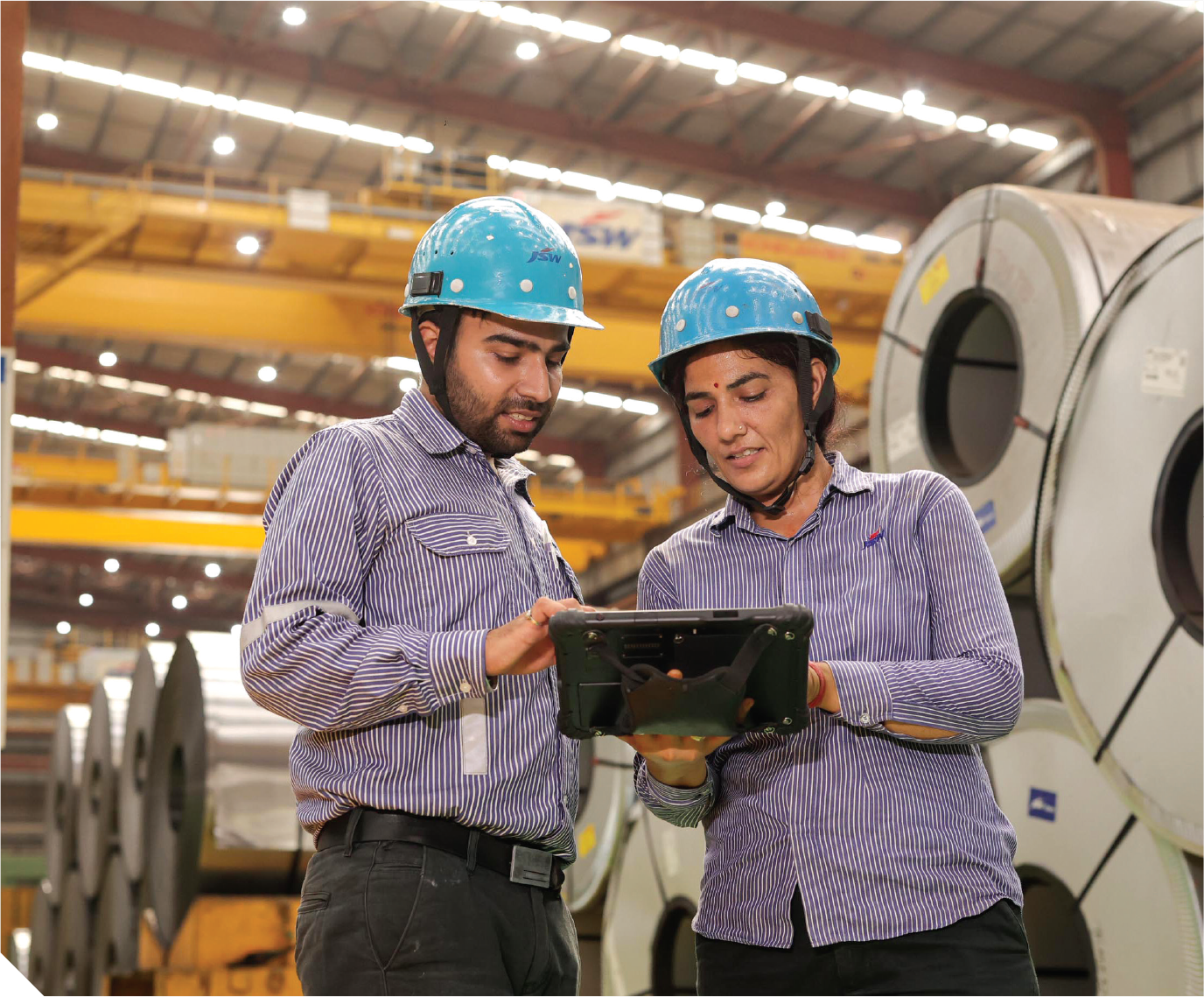
Investments in associates and joint ventures increased by ₹888 crore to ₹4,577 crore during the year. The increase was primarily on account of investment of ₹879 crore in M Res NSW HCC Pty Ltd. towards increase in economic interest from 20% to 30% for sourcing of metallurgical coal from mines in Australia (including exchange rate variation), additional equity investment of ₹238 crore in JSW JFE Electrical Steel Private Limited and an investment of ₹250 crore in JSW One Platforms Limited towards business expansion and strengthening of the digital and platform-led ecosystem partially offset by accounting for share of losses using equity method for JVs and associates.
Other investments decreased by ₹586 crore to ₹5,123 crore, primarily on account of ₹673 crore in the fair value of the equity stake in JSW Energy Limited, attributable to a decline in its share prices partially offset on account of sale of investment in Geo Steel LLC ₹51 crore.
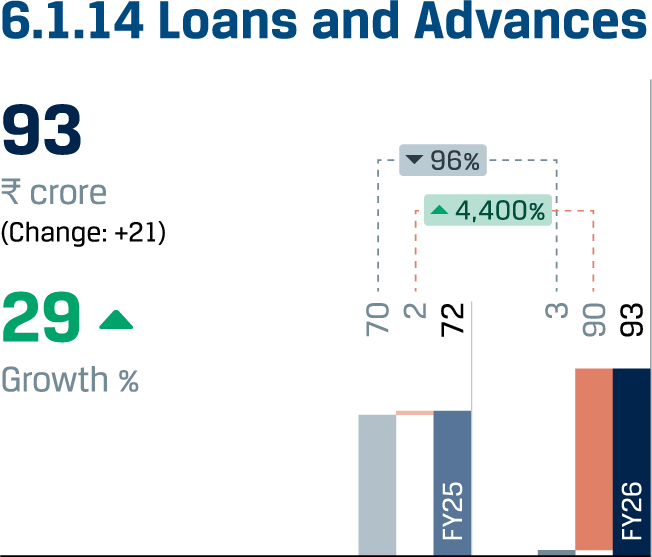
Loans and advances increased by ₹21 crore primarily due to the additional loans given to JSW Projects Limited and Talbot Group Investments Pty Limited during the year.
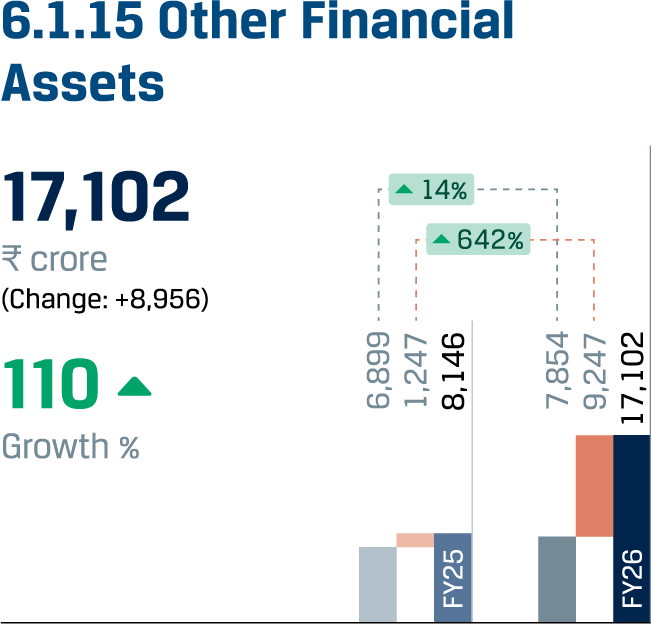
The total financial assets increased by ₹8,956 crore to ₹9,554 crore primarily on account investment in CCD of JSW JFE Kalinga Steel Limited of ₹7,875 crore to be realised in Tranche II pursuant to slump sale of steel undertaking of BPSL unit and increase in the GST incentive receivable from the state of Maharashtra and Karnataka by ₹929 crore.
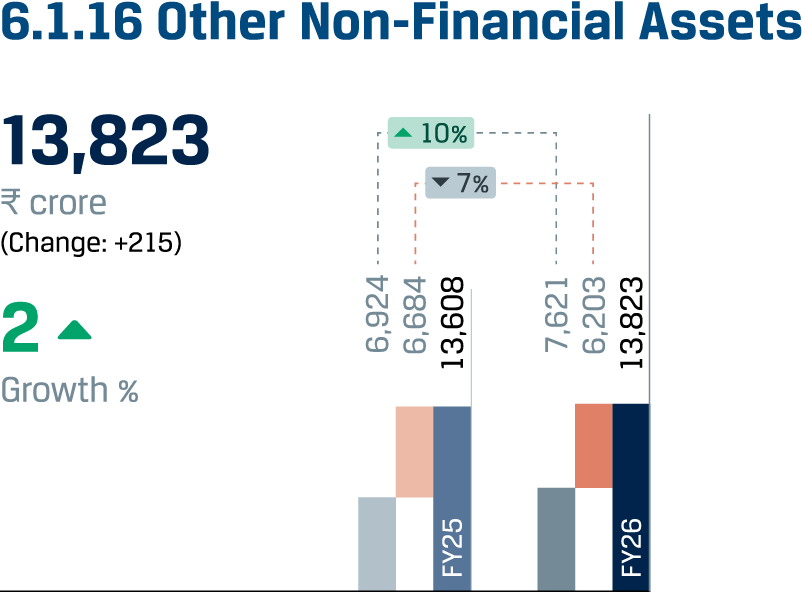
Other non-current assets increased by ₹697 crore to ₹7,621 crore primarily due to an increase in the capital advances by ₹925 crore partially offset by ₹187 crore due to reduction in GST input tax credit receivables.
Other current assets decreased by ₹481 crore to ₹6,203 crore on primarily ₹1,161 crore due to reduction in GST input credit avail for set-off by partially offset by ₹820 crore account of an increase in advances to suppliers.
| FY 2025-26 | FY 2024-25 | Change | Growth (%) | |
|---|---|---|---|---|
| Raw materials | 16,573 | 13,790 | 2,783 | 20% |
| Work-in-progress | 318 | 830 | (512) | -62% |
| Semi-finished/finished goods | 11,916 | 16,123 | (4,207) | -26% |
| Production consumables and stores & spares | 3,958 | 4,213 | (255) | -6% |
| Total inventories | 32,765 | 34,956 | (2,191) | -6% |
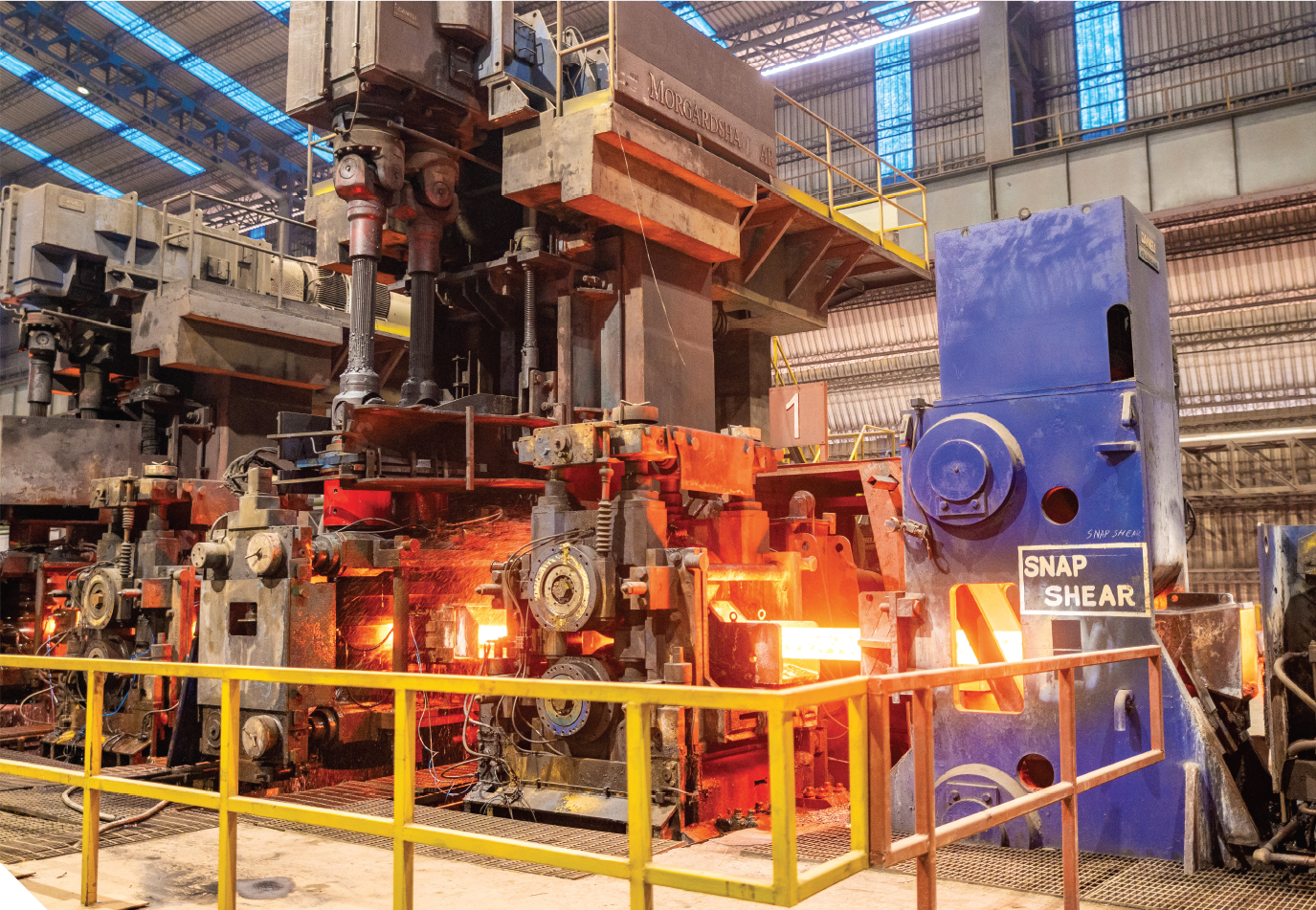
Inventories declined by ₹2,191 crore to ₹32,765 crore during the year, primarily driven by liquidation of semi-finished and finished goods on account of higher sales volumes, particularly reflecting strong sales momentum in FY 2025-26. This was partially offset by an increase in raw material inventories. In the previous year, inventories of stores and spares and consumables were elevated due to a one-time impact arising from the commencement of operations at JVML, and advance procurement of critical spares for planned maintenance shutdowns in FY 2025-26. Consequently, production consumables and stores and spares inventories declined by ₹255 crore in the current year.
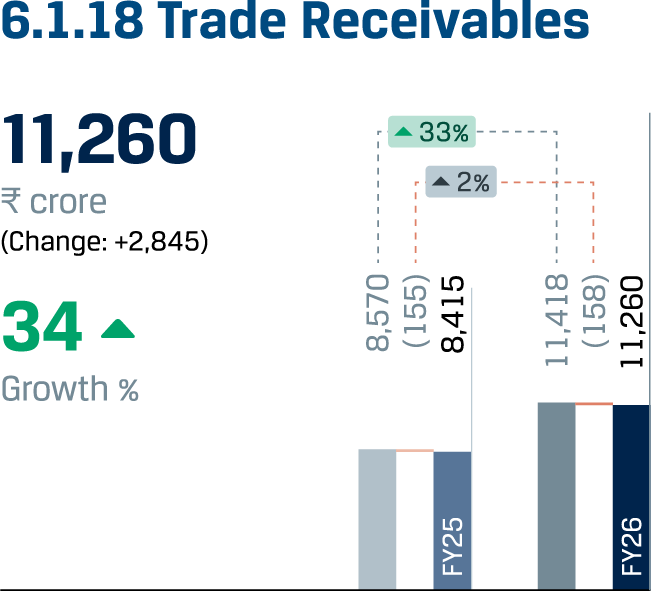
Trade receivables increased by ₹1,628 crore to ₹7,300 crore, primarily due to an increase in sales volumes in Q4 FY 2025- 26. The average collection period also increased to 20 days as compared to 17 days in previous year.
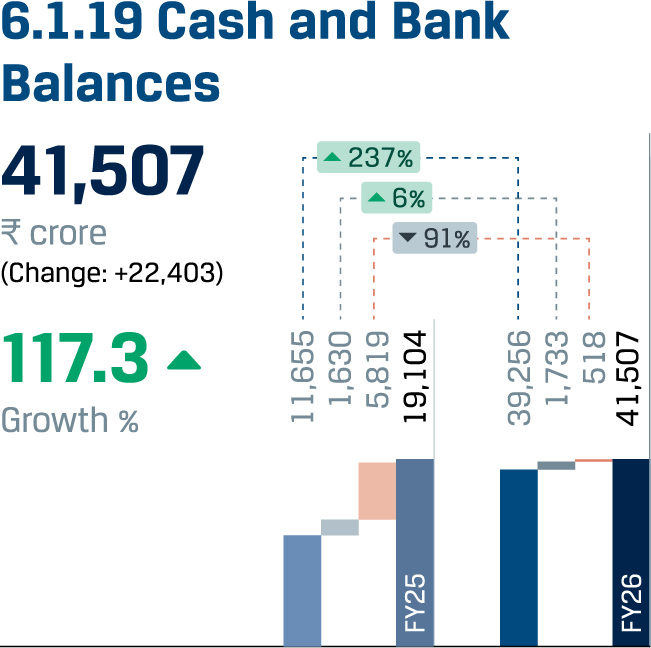
To meet short-term cash commitments and repayment obligations, the Group parks surplus funds in short-term and highly liquid instruments which represent cash and cash equivalents and other bank balances. Total cash and bank balances (including balance in Mutual Fund) increased to ₹41,507 crore from ₹19,104 crore due to consideration received from sale of steel undertaking unit of Bhushan Power and Steel Limited to JSW JFE Steel Limited by way of slump sale for a consideration of ₹29,475 crore partially offset by utilisation of funds for repayment of Bonds in April 2025.
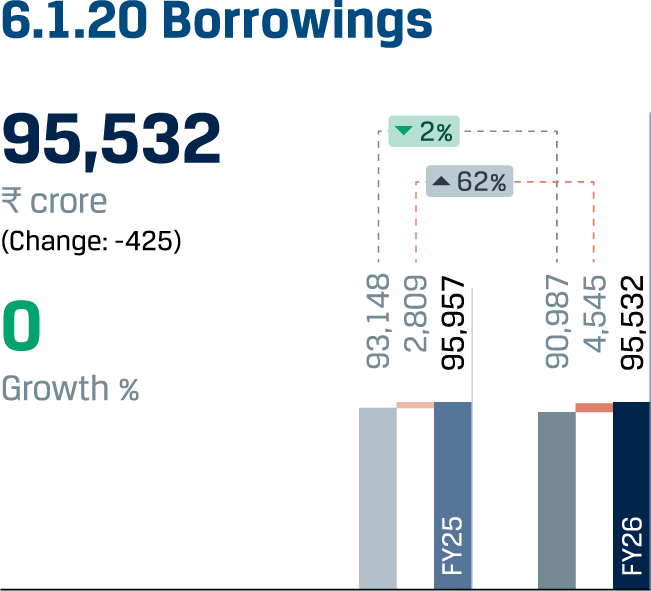
Borrowings (non-current) (including current maturity of long-term borrowings) decreased primarily due to repayment of term loans by ₹2,161 crore (net of drawls) partially offset by an increase in borrowings due to exchange fluctuation on account of rupee depreciation against US Dollar and Euro.
Short term borrowings increased by ₹1,736 crore primarily due to increase in capex acceptances, exchange fluctuation on account of rupee depreciation against US Dollar and Euro, partially offset by lower utilisation of working capital facilities.
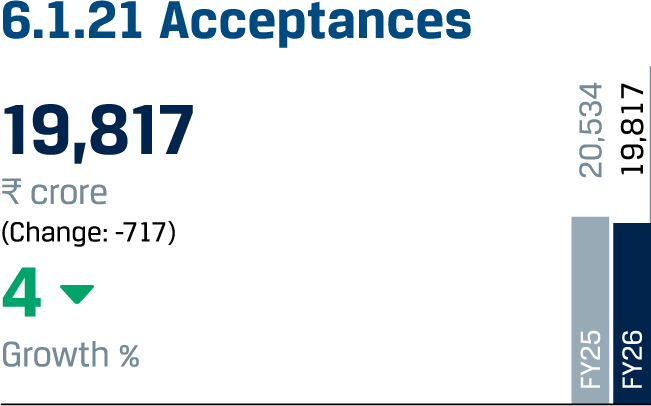
Acceptances decreased by ₹717 crore as of March 31, 2026 primarily acceptance pertaining to steel undertaking of BPSL transferred to JSW JFE Steel Limited partially offset by an increase due to adverse movements in the exchange rate, with no material change in the underlying equivalent USD exposure of all other components.
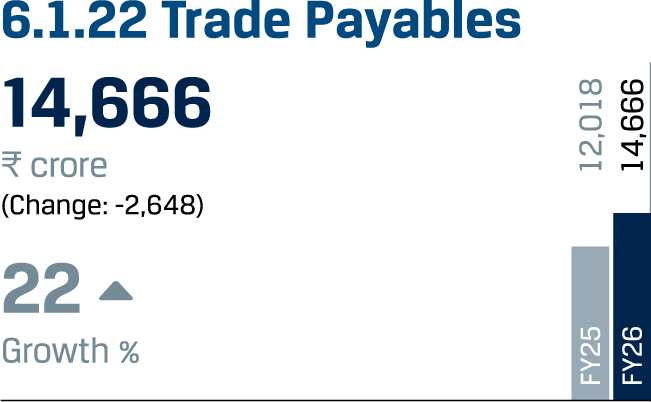
Trade payables increased by ₹2,648 crore to ₹14,666 crore primarily on account of overall increase in volume of operations.
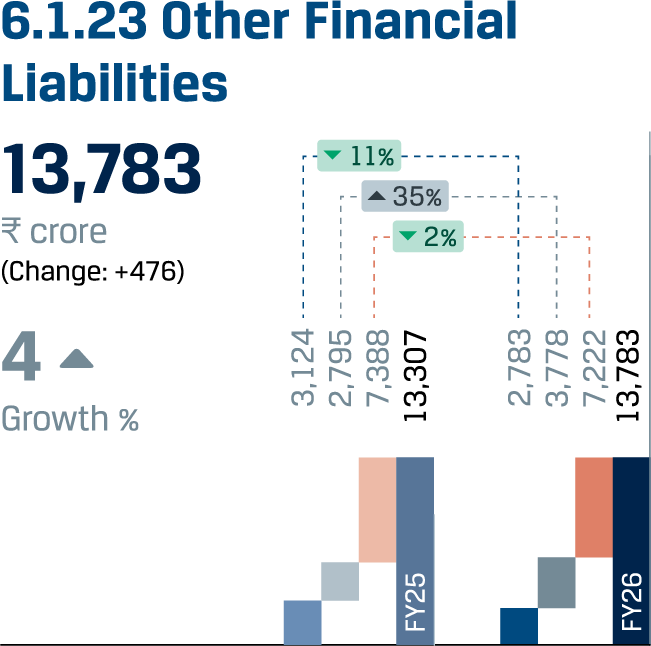
Other financial liabilities decreased by ₹341 crore to ₹2,783 crore. The decrease is primarily on account of decrease in retention money from capital creditors.
Lease liabilities increased by ₹983 crore to ₹3,778 crore primarily on account commencement of contract relating to Air Separator Unit at Vijayanagar works, cargo handling at ports and coal washing plant in Jharkhand partially, partially offset by the repayment of principal amount on leases.
Other current financial liabilities decreased by ₹166 crore to ₹7,222 crore primarily on account of decrease in bid premium and royalty payable due to decrease in overall volume of iron ore production, reduction in refund liabilities partially offset by increase in retention money for capital projects.
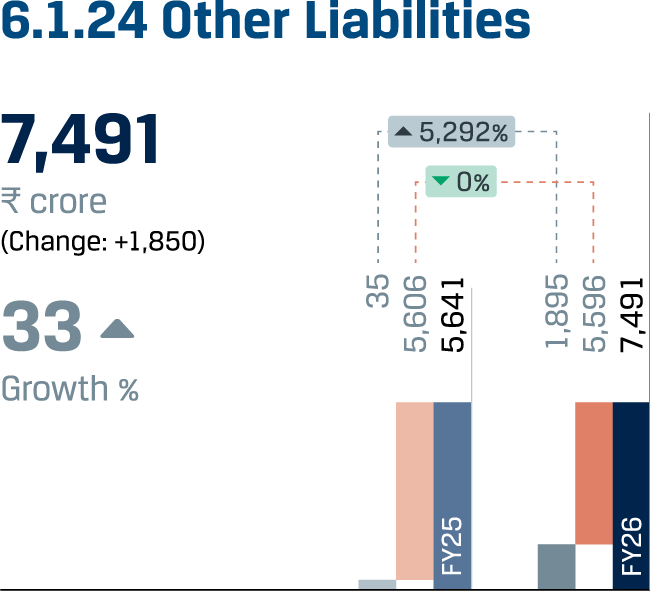
Other liabilities increased by ₹1,850 crore to ₹7,491 crore primarily due deferred gain on retained interest in JSW JFE Steel Limited ₹2,301 crore, increase in advances received from customers, partially offset by decrease in statutory liabilities.
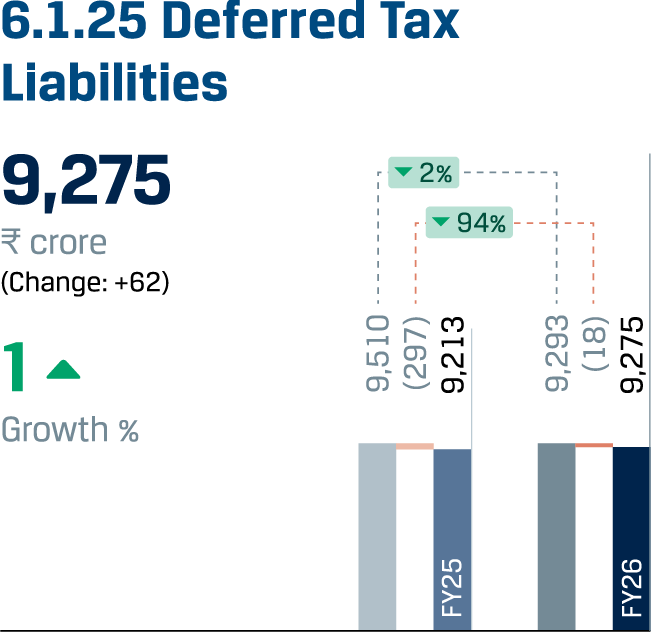
Deferred tax liabilities marginally increased by ₹62 crore to ₹9,275 crore.
JSW Steel’s equity increased from ₹81,666 crore as on March 31, 2025 to ₹1,05,475 crore on a consolidated level as on March 31, 2026. Book value per share was at ₹431.31 as on March 31, 2026, as compared to ₹333.95 as on March 31, 2025.
| FY 2025-26 | FY 2024-25 | Change | Growth (%) | Reason for change | |
|---|---|---|---|---|---|
| Efficiency ratio | |||||
| Debtors Turnover (no. of days) | 20 | 17 | 3 | 18% | Increased primarily on account of increase in net sales realisation in last quarter y-o-y, higher average debtors. |
| Raw Materials Inventory (including own mines) Turnover (no. of days) | 60 | 61 | -1 | -2% | Decrease was primarily due to lower raw material prices of coking coal and iron ore, and liquidation of inventory. |
| Finished Goods Inventory Turnover (no. of days) | 29 | 31 | -2 | -7% | Decrease was primarily due to increase in higher sales volume during the year because of better domestic demand. |
| Inventory Turnover (no. of days) | 94 | 105 | -11 | -11% | Lower inventory turnover is primarily due to lower average inventory and lower average cost of goods sold due to decline in manufacturing cost. |
| Solvency/Leverage ratio | |||||
| Interest Coverage Ratio | 3.67 | 2.90 | 0.77 | 27% | Interest Coverage ratio increased mainly due to higher EBITDA margin over previous year and increase in volumes resulting into higher operating EBITDA of ₹29,821 crore as compared to ₹22,904 crore in last year and lower interest cost. |
| Debt Equity Ratio | 0.91 | 1.17 | -0.27 | -23% | The debt equity ratio was lower as borrowing increased by ₹425 crore only as compared to increase in equity by ₹23,809 crore due to profit after tax for the year was ₹25,508 crore. |
| Liquidity ratio | |||||
| Current Ratio | 1.49 | 1.17 | 0.32 | 28% | Increase primarily on account of increase in cash and bank balance received on sale of steel business undertaking of BPSL by way of slump sale. |
| Profitability ratio | |||||
| Operating EBITDA Margin (%) | 16.08% | 13.57% | 2.51% | 19% | The Company achieved an annual operating EBITDA of ₹29,821 crore, with an EBITDA margin of 16.08% an increase of 18.5% y-o-y. EBITDA per tonne was at ₹10,080 during FY 2025-26, higher by 16% y-o-y primarily on account of decrease in cost per ton which was partially offset by decrease in net sales realisation in FY 2025-26. |
| Net Profit Margin | 13.75% | 2.07% | 11.68% | 565% | Net profit margin increased primarily on account of increase in operating profits and exceptional gain. |
| FY 2025-26 | FY 2024-25 | Growth (%) | |
|---|---|---|---|
| Revenue from operations | 132,847 | 127,702 | 4% |
| Other income | 1,730 | 1,865 | -7% |
| Operating EBITDA | 20,191 | 18,381 | 10% |
| EBITDA margin (%) | 15.2% | 14.4% | - |
| Adjusted EBITDA | 21,747 | 18,399 | 18% |
| Adjusted EBITDA margin (%) | 16.4% | 14.4% | - |
| Depreciation and amortisation expense | 6,120 | 5,913 | -4% |
| Finance costs | 6,517 | 6,486 | -1% |
| Profit before exceptional items | 9,284 | 7,847 | 18% |
| Exceptional items | 477 | 1,304 | - |
| Tax expense/(Credit) | 2,285 | 706 | -224% |
| PAT | 6,522 | 5,837 | 12% |
FY 2025-26 highlights
Crude steel production
Sales volume
Domestic sales
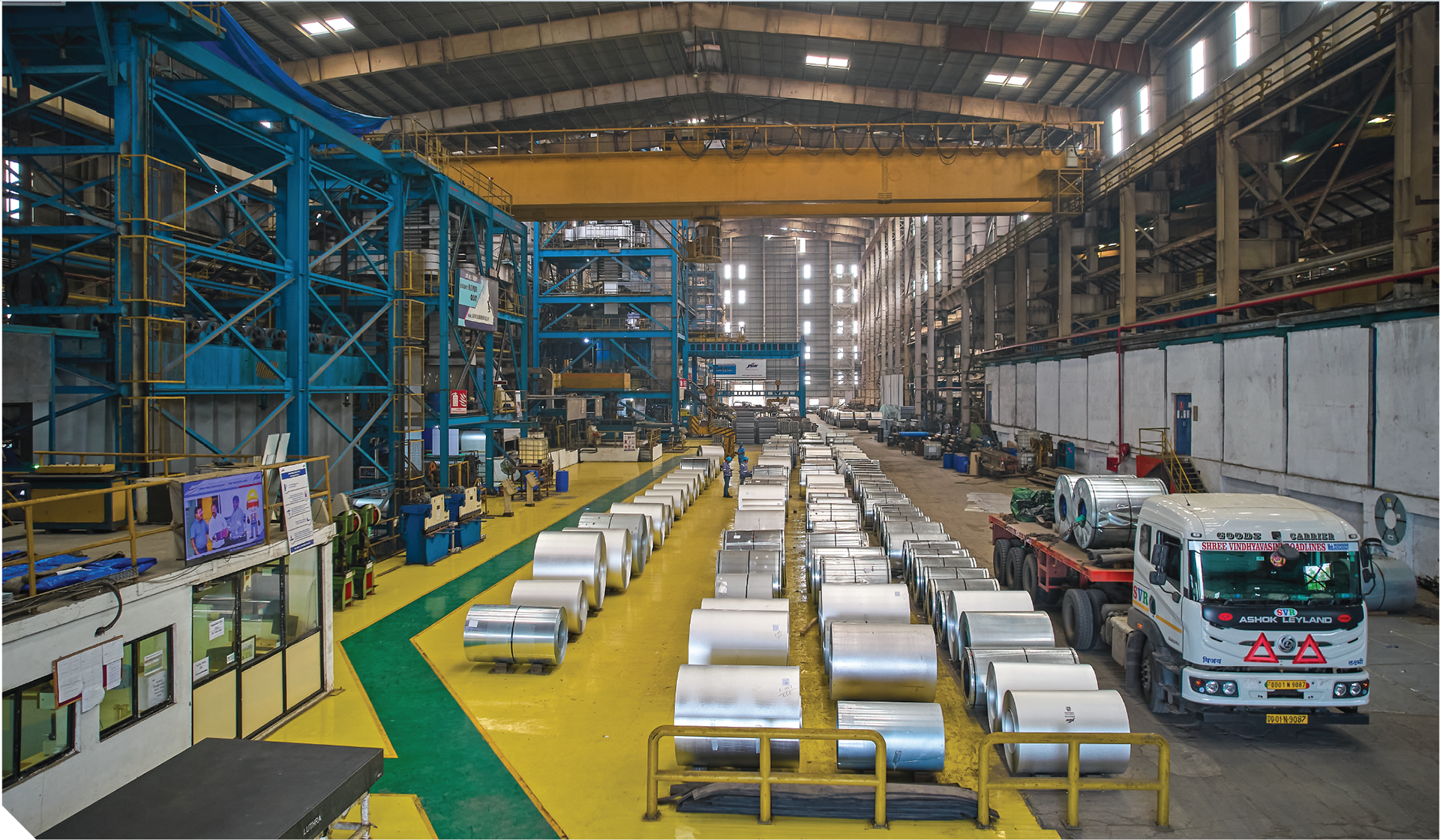
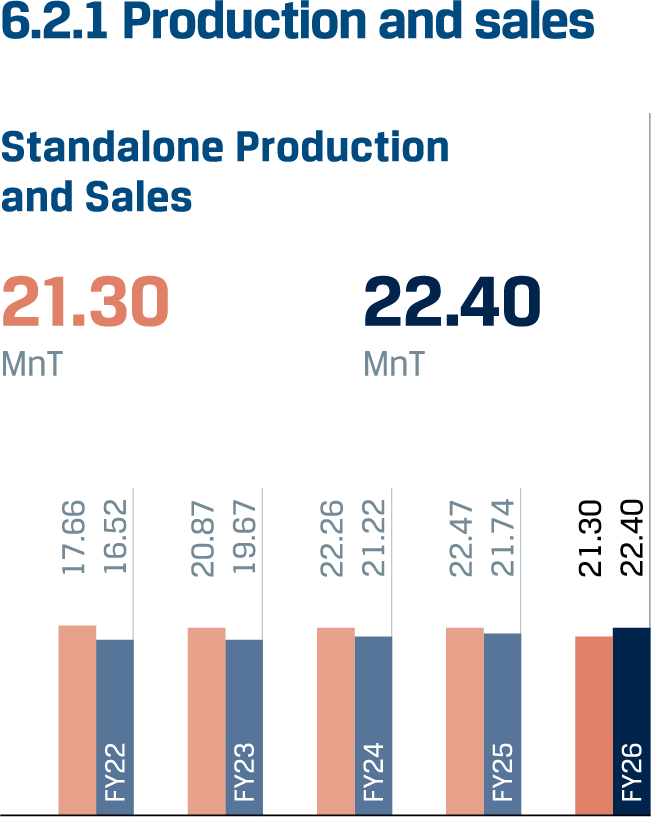
In FY 2025‑26, JSW Steel reported crude steel production of 21.30 MnT. Crude steel production declined by 5% y‑o‑y as compared to 22.47 MnT in FY 2024‑25 mainly due to Blast Furnace 3 (BF3) shutdown at Vijayanagar from end of September 2025 for upgradation of capacity. Average capacity utilisation was at 90% (excluding BF3 capacity).
The Company reported highest ever steel sales volume of 22.40 MnT, registering a growth of 3% y‑o‑y. Domestic sales stood at 20.67 MnT, an increase of 1% y‑o‑y, while export volumes stood at 1.73 MnT, marking a strong growth of 39% y‑o‑y.
Exports accounted for 8% of total steel sales during the year as compared to 6% in FY 2024‑25. The increase in exports reflects improved global demand conditions and the Company’s balanced market mix strategy.
Overall sales volume was higher than production mainly due to external procurement of semi-finished steel, like Slabs and Billets, to run the Hot strip mills and Wire/Bar rolling mills which were short of input material due to major shutdown of BF3 at Vijayanagar.
| FY 2025-26 | FY 2024-25 | Change | Growth (%) | |
|---|---|---|---|---|
| Domestic Turnover | 119,592 | 117,759 | 1,833 | 2% |
| Export Turnover | 9,209 | 7,919 | 1,290 | 16% |
| Total Turnover | 128,801 | 125,678 | 3,123 | 3% |
| Other Operating Revenues | 4,046 | 2,024 | 2,022 | 100% |
| Total operating revenue | 132,847 | 127,702 | 5,145 | 4% |
Operating EBITDA
Net profit
Revenue from operations increased by 4% y‑o‑y to ₹1,32,847 crore, primarily due to higher sales volume. The average sales realisation at Indian operations was lower due to export from China increased in FY 2025-26 creating pressure on regional prices. Operating margin for FY 2025-26 stood at 15.2% as against 14.4% in FY 2024-25 mainly due to lower raw material prices of coking coal which was partially offset by decline in average sales realisations.
Overall consumption of iron ore from the Karnataka and Odisha captive mines to the steel manufacturing plant locations constituted 29% of the Company’s iron ore requirements at standalone level in FY 2025-26.
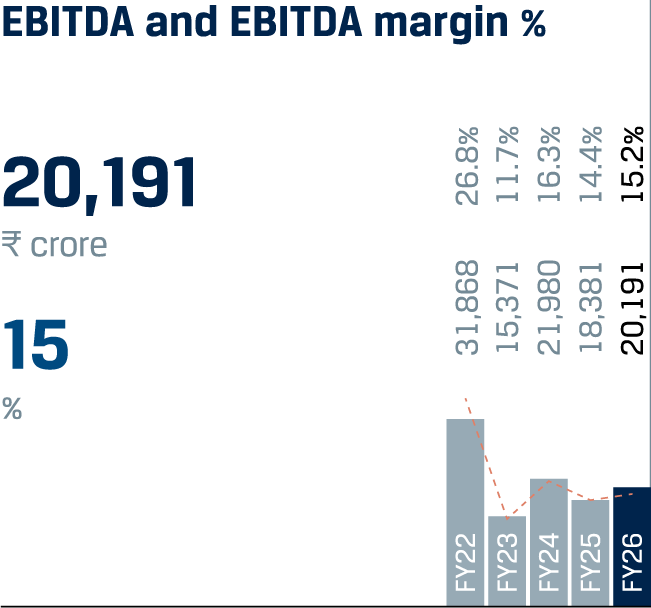
The Company achieved an annual Operating EBITDA of ₹20,191 crore, an increase of 10% y-o-y with an EBITDA margin of 15.2%. EBITDA per tonne was at ₹9,015 during FY 2025-26, higher by 7% y-o-y primarily on account of decrease in cost per tonne, partially offset by decrease in net sales realisation.
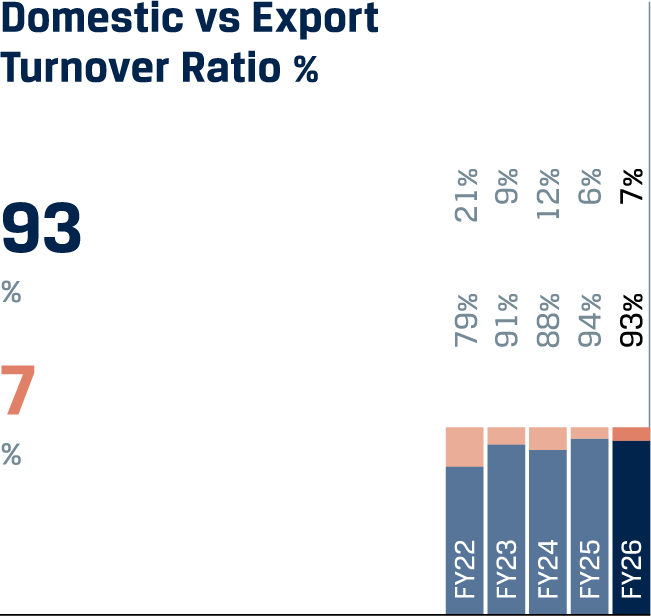
Steel exports recovered in FY 2025‑26 vis-à-vis decline witnessed in the previous year, while imports moderated following the imposition of safeguard duties. As a result, India’s steel trade position was broadly balanced during the year, recording a marginal net export after remaining a net importer for the preceding two years.
Domestic steel demand remained resilient, supported by growth in overall consumption, continued government spending on infrastructure, and strong momentum in the automobile and other steel‑consuming sectors, aided by GST‑led reforms.
Domestic turnover increased by 1.6% year‑on‑year to ₹1,19,592 crore in FY 2025‑26, driven by a marginal increase in sales volumes. However, the impact of volume growth was partly offset by lower realisations amid pressure on steel prices, owing to elevated exports of steel and semi‑finished products from China, which increased from approximately 117 million tonnes in 2024 to 134 million tonnes in 2025, exerting downward pressure on regional pricing.
Export turnover increased 16.3% y-o-y to ₹9,209 crore in FY 2025-26 from ₹7,919 crore in previous year, driven by higher export volumes. The increase in volumes was broadly in line with the upward trend in overall Indian steel exports during the year, partially offset by lower export realisations.
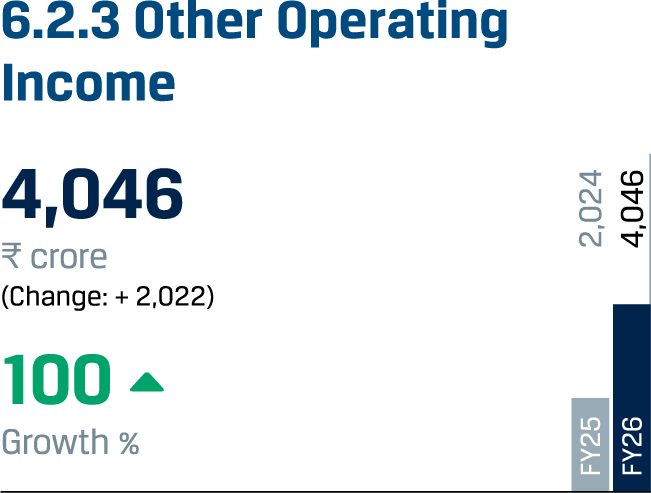
Other operating revenue increased to ₹4,046 crore in FY 2025-26 as compared to ₹2,024 crore in FY 2024-25, higher by ₹2,022 crore. Other operating income increased largely due to higher job work income of ₹1,003 crore and higher grant income under PSI 1993, 2007 and 2013 scheme by ₹793 crore.
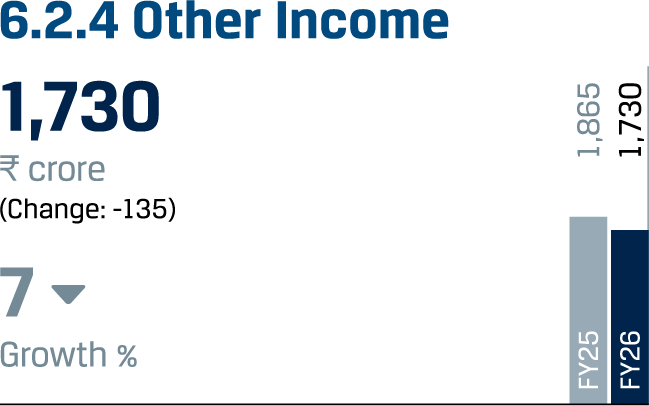
Other income decreased by ₹135 crore to ₹1,730 crore primarily due to the lower dividend income of ₹90 crore from group companies and lower interest income from loans extended to subsidiaries amounting to ₹486 crore partially offset by increase in interest income due to higher average amount of cash and bank balances parked in fixed deposits of ₹331 crore and higher gains on mutual fund investments of ₹87 crore.
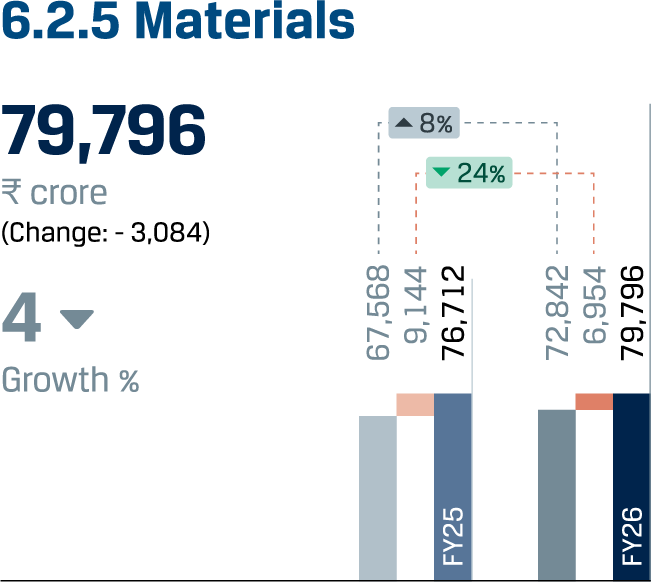
Expenditure on material consumption increased by 7.8% year‑on‑year to ₹72,842 crore, primarily on account of higher sales volumes and the impact of unfavourable exchange rate.
Due to external procurement of semi-finished steel, like Slabs and Billets, to run the Hot strip mills and Wire/Bar rolling mills which were short of input material due to major shutdown of BF3 at Vijayanagar has resulted in higher cost of material consumed. However, the increase in costs of other raw materials, was partially offset by lower coking coal rates during the year.
Mining premium and royalties cost decreased by ₹2,190 crore (24.0%) in FY 2025-26 to ₹6,954 crore from ₹9,144 crore in FY 2024-25, on account of decrease in overall volume of production mainly as a result of surrendering of Jajang mines in Odisha in FY 2024-25.
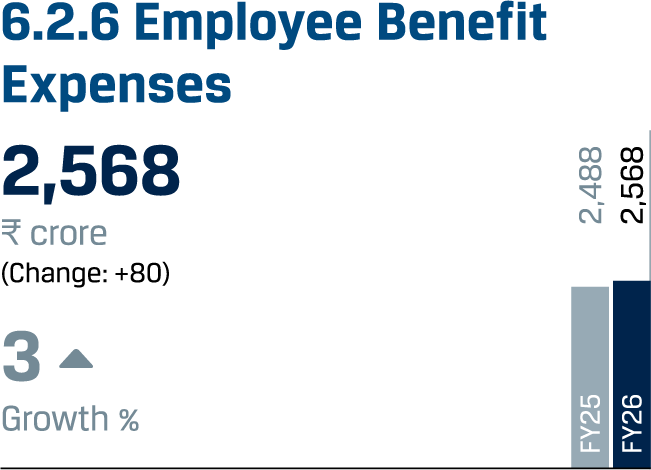
Employee benefits expenses were higher by ₹80 crore a 3% increase y-o-y at ₹2,568 crore in FY 2025-26, primarily due to annual increments and marginal increase in employee head count. The overall headcount increased to 16,370 as on March 31, 2026 from 15,793 as on March 31, 2025.
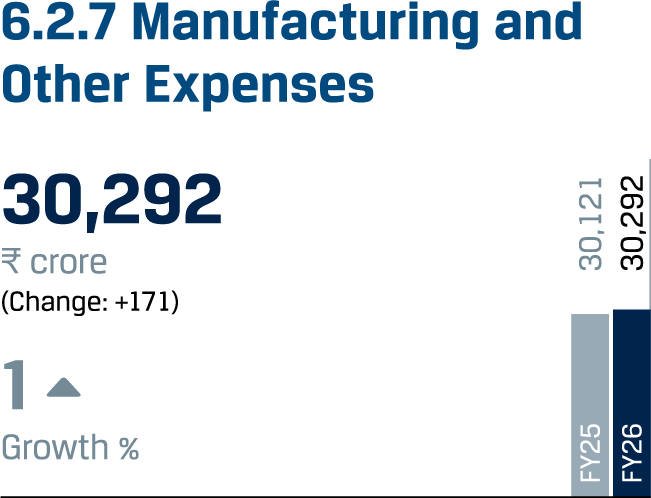
Manufacturing and other expenses decreased by ₹171 crore, a 1% increase y-o-y to ₹30,292 crore primarily due to increase in hedging cost / exchange variations offset by lower power & fuel expenses.
The hedging cost / exchange variations increased by ₹1,793 crore, an increase of 652% y-o-y to ₹2,068 crore due to unfavourable movement in USD, Euro and Yen, currencies in which the Company undertakes a significant portion of its transactions.
Repairs & maintenance of Plant & machinery increased by ₹248 crore, an increase of 15% y-o-y to ₹1,875 crore and Stores and spares cost increased by ₹216 crore, an increase of 4% y-o-y to ₹5,476 crore, primarily on account of major overhauling of blast furnaces at Vijayanagar Works.
The power and fuel cost decreased by ₹1,209 crore, a decrease of 10% y-o-y to ₹10,927 crore due to lower steam coal prices and greater reliance on renewable energy.
The ocean freight expenditure decreased by ₹280 crore, a decrease of 29% y-o-y to ₹703 crore primarily on account of no export sale of iron ore from Odisha during FY 2025-26. The domestic freight expense decreased by ₹756 crore, a decrease of 13% y-o-y to ₹5,057 crore due to lower iron ore sales and reduced movement of iron ore from mines, thereby lowering the freight costs.
Other miscellaneous expenditure increased by ₹159 crore, an increase of 7% y-o-y to ₹2,610 crore primarily on account of reversal of provision for onerous contracts relating to iron ore sales in FY 2024-25.
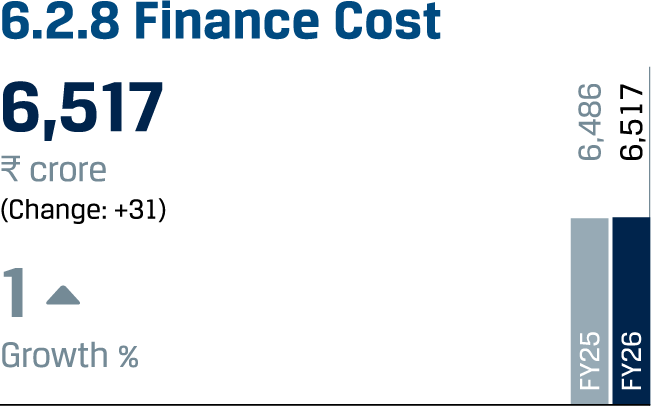
Finance cost increased by ₹31 crore, an increase of 0.5% y-o-y to ₹6,517 crore.
The increase in finance cost was attributable to increase in foreign exchange rate fluctuations treated as part of finance cost as the Indian Rupee depreciation against the US dollar was 10.6% during FY 2025-26 as against 2.1% in the previous year partially offset by decrease in cost of acceptances due to lower level of acceptances, lower working capital interest cost on account of lower utilisation of working capital facilities, and an overall reduction in debt during the year.
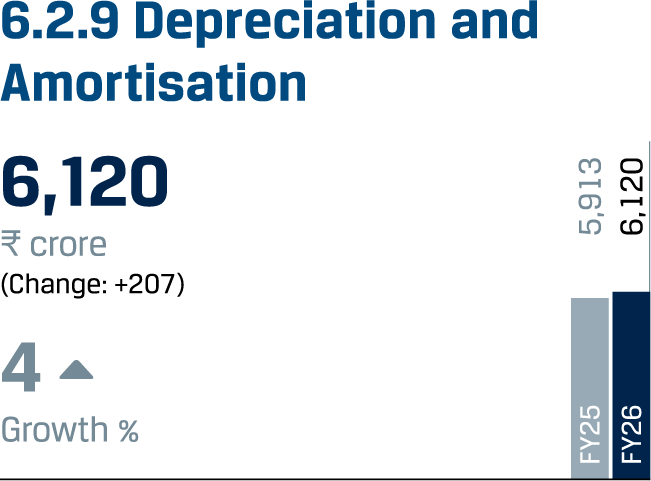
Depreciation and amortisation increased by ₹207 crore, an increase of 3.5% y-o-y to ₹6,120 crore primarily due to accelerated depreciation of ₹115 crore in respect of the technology overhaul of Blast Furnace‑3 during the year and on account capitalisation of assets relating to Battery C of Coke Oven 5 of capacity 0.75 MTPA & 13 MTPA expansion at Vijayanagar and balance facilities relating to the Dolvi 10 MTPA expansion, mining equipment at Odisha, special projects and sustenance capex across all the plant locations.
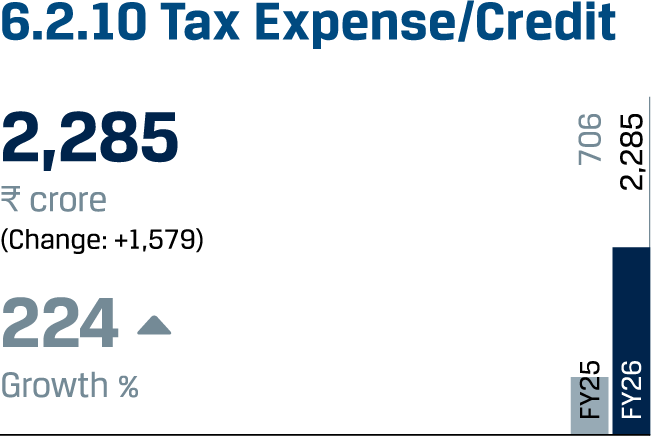
Tax expense was ₹2,285 crore compared to ₹706 crore in FY 2024-25, primarily due to higher profitability on account of higher EBIDTA. In FY 2024-25, receipt of dividend and profit earned on sale of a unit for which tax deduction / exemption claimed as per Income tax laws. Further, the Company trued up the tax balances with the tax records which had resulted in reversal of tax liabilities amounting to ₹218 crore in FY 2024-25. Thus, the effective tax rate came in at 25.9% for FY 2025-26 versus 10.8% in FY 2024-25.
There was an exceptional loss of ₹477 crore during the year comprising of the following items.
The Government has notified the Code on Social Security, 2020 ("Social Security Code"); the Occupational Safety, Health and Working Conditions Code, 2020; the Industrial Relations Code, 2020 and the Code on Wages, 2019 (collectively, the "Labour Codes") on November 21, 2025. The Ministry of Labour & Employment notified Central Rules on May 8, 2026; however State Rules are yet be notified. The Company has evaluated the impact of increased employee benefits obligations arising from the implementation of the Labour Codes based on it's best judgement in consultation with external experts. Accordingly, the Company has recognised financial impacts of ₹477 crore in accordance with Ind AS 19 - 'Employee Benefits'.
| FY 2025-26 | FY 2024-25 | Change | Growth (%) | |
|---|---|---|---|---|
| Property, Plant and Equipment | 73,845 | 73,322 | 523 | 1% |
| Capital work-in-progress | 13,878 | 10,538 | 3,340 | 32% |
| Goodwill | 413 | 413 | 0 | - |
| Right to use asset | 3,899 | 2,931 | 968 | 33% |
| Intangible assets | 1,812 | 1,843 | (31) | -2% |
| Intangible assets under development | 416 | 377 | 39 | 10% |
| Total | 94,263 | 89,424 | 4,839 | 5% |
Net block of Property, Plant and Equipment increased by ₹523 crore to ₹73,845 crore primarily on account capitalisation of assets amounting to ₹5,886 crore relating to Battery C of Coke Oven 5 of capacity 0.75 MTPA & 13 MTPA expansion at Vijayanagar works and balance facilities relating to the 10 MTPA expansion at Dolvi works, mining equipment at Odisha, special projects and sustenance capex across all the plant locations, which was partially offset by depreciation cost of ₹6,120 crore and deletion of ₹2,710 crore primarily on account of technology overhaul of BF-3 in Vijayanagar works.
Capital work-in progress increased by ₹3,340 crore to ₹13,878 crore primarily related 10 MTPA expansion at Dolvi works which is offset by capitalisation of assets during the year.
The Right to use asset increased by ₹968 crore to ₹3,899 crore primarily on account of commence of contract relating to Air Separator Unit at Vijayanagar works, cargo handling at ports and coal washing plant in Jharkhand offset by depreciation charge during the year.
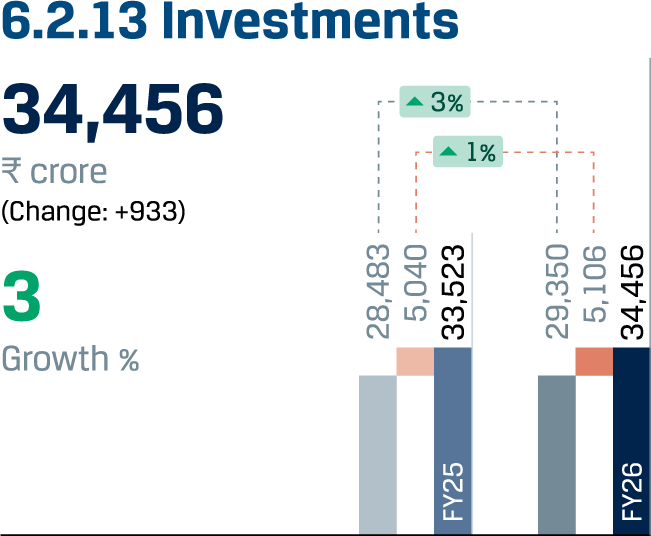
Investments in subsidiaries, associates and joint ventures increased by ₹867 crore to ₹29,350 crore during the year. The increase was primarily on account of an investment of ₹527 crore in Saffron Resources Private Limited to secure land at Dhenkanal, Odisha for future industrial projects, additional equity investment of ₹238 crore in JSW JFE Electrical Steel Private Limited, ₹61 crore in JSW Rayalaseema Steel Limited for the development of a 1.0 MTPA integrated steel plant with electric arc furnace technology, Kadapa district, Andhra Pradesh, ₹79 crore in JSW Renewable Energy projects at Vijayanagar and Anjar partially offset by impairment provision of ₹58 crore in respect of JSW Jharkhand Steel Limited.
Other investments increased by ₹66 crore to ₹5,106 crore, primarily on account of an additional preference share investment of ₹351 crore in Mivaan Steel Limited, made to support the Company’s funding requirements and growth plans, and an investment of ₹250 crore in JSW One Platforms Limited towards business expansion and strengthening of the digital and platform-led ecosystem partly offset by a decrease of ₹566 crore in the fair value of the equity stake in JSW Energy Limited, attributable to a decline in its share prices.
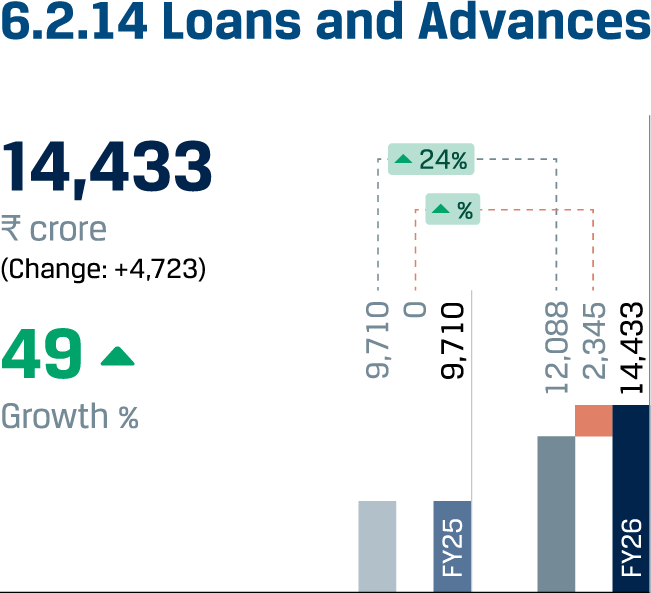
Long-term loans and advances increased by ₹2,378 crore to ₹12,088 crore primarily due to additional loans extended to overseas subsidiaries for acquisition of acquisition of 92.19% of the equity stake and the shareholder loans of Minas de Revuboe Limitada, increase in economic interest in Illawarra Metallurgical coal from 20% to 30%, for catering to the interest and principal repayment obligations, exchange rate variation and loans extended to Indian subsidiaries to support their operations.
Short-term Loans and advances increased to ₹2,345 crore due to loans extended to JSW Utkal Steel Limited towards temporary support to meet the obligation in relation to project payables.
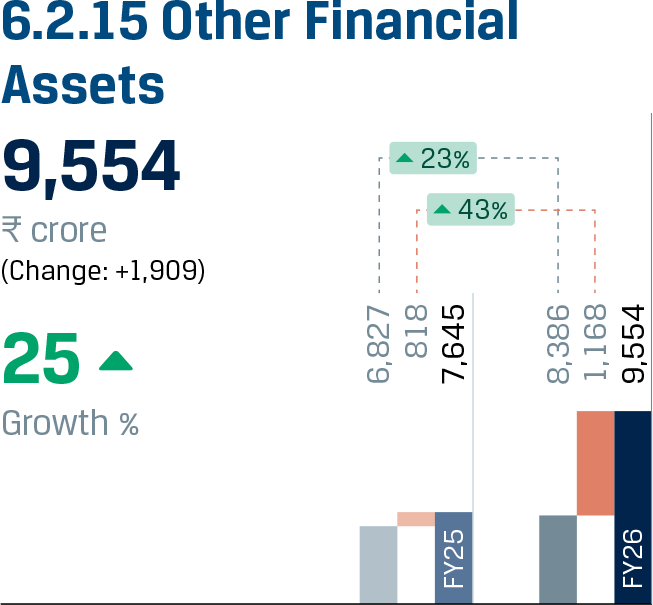
The total financial assets increased by ₹1,909 crore to ₹9,554 crore on account of increase in the GST incentive receivable from the state of Maharashtra and Karnataka by ₹738 crore, the increase in accrued interest income on loans extended to subsidiaries amounting to ₹777 crore, increase in fixed deposits more than 12 months by ₹107 crore.
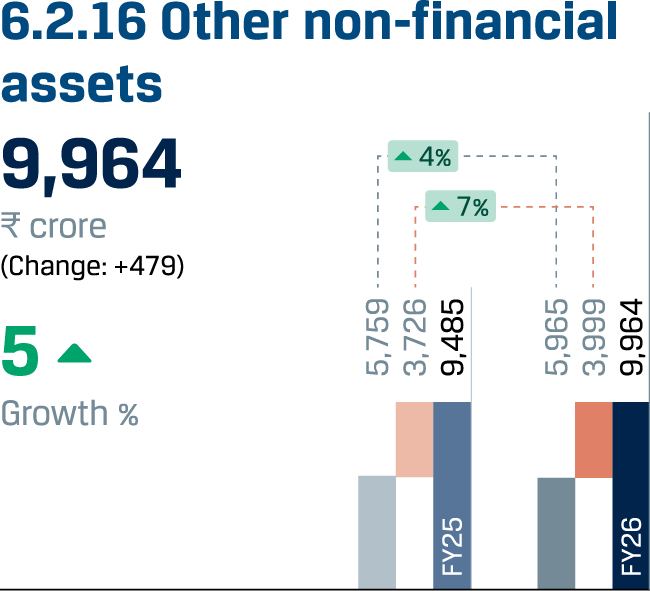
Other non-current assets increased by ₹206 crore to ₹5,965 crore primarily due to an increase in the GST input tax credit receivables.
Other current assets increased by ₹273 crore to ₹3,999 crore on account of an increase in advances to suppliers and security deposits partially offset by reduction in GST input tax credit available for set-off.
| FY 2025-26 | FY 2024-25 | Change | Growth (%) | |
|---|---|---|---|---|
| Raw materials | 10,739 | 7,203 | 3,536 | 49% |
| Work-in-progress | 26 | 34 | (9) | -25% |
| Semi-finished/finished goods | 8,142 | 9,615 | (1,473) | -15% |
| Production consumables and stores & spares | 2,996 | 2,967 | 29 | 1% |
| Total Inventories | 21,903 | 19,819 | 2,083 | 11% |
The increase in value of inventories was primarily due to the increase in raw material inventories, partly offset by decrease in semi-finished/finished good inventory.
The increase in raw material inventories is primarily due to increase in coking coal inventory, higher prices of materials, and unfavourable exchange rate impact.
Liquidation of ~75K tonnes of semi-finished/finished goods due to robust domestic steel demand led to decrease in semi-finished/finished good inventory.
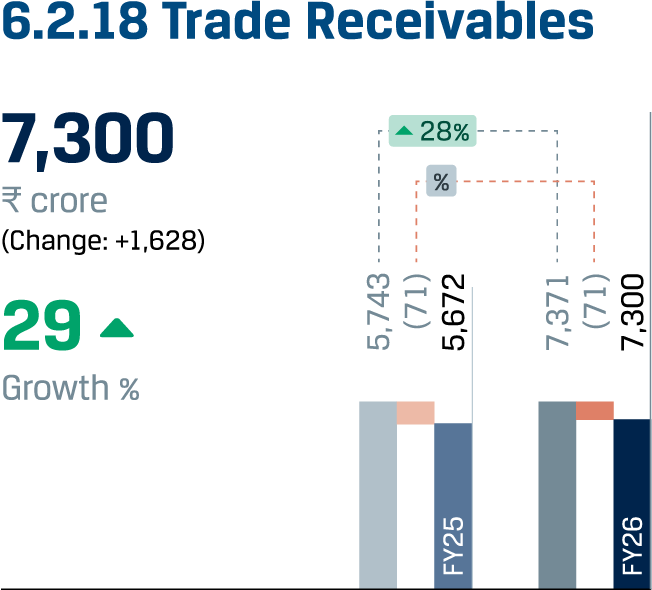
Trade receivables increased by ₹1,628 crore to ₹7,300 crore, primarily due to an increase in sales volumes in Q4 FY 2025-26.
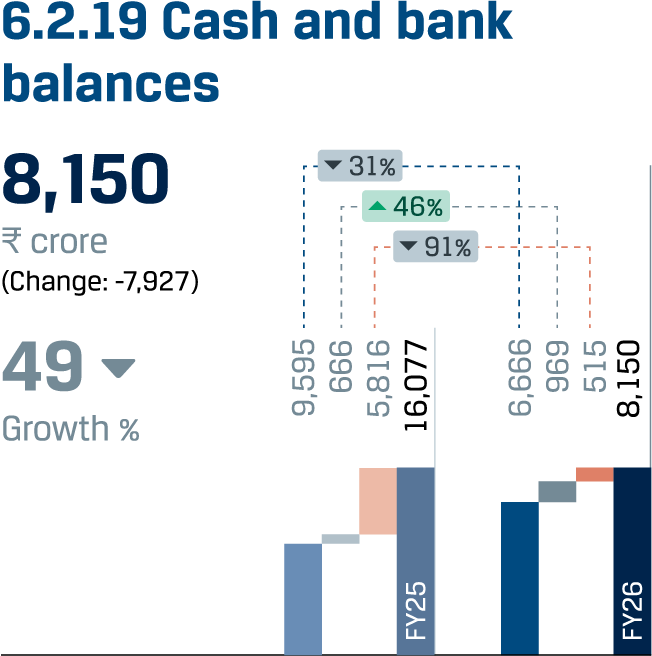
To meet short-term cash commitments and repayment obligations, the Company parks surplus funds in short-term and highly liquid instruments which represent cash and cash equivalents and other bank balances.
Total cash and bank balances (including balance in Mutual fund) decreased to ₹8,150 crore from ₹16,077 crore. The cash and bank balances were higher in FY 2024-25 as the funds were required for repayment of Bond maturing in April 2025 was temporarily parked in fixed deposits and mutual funds.
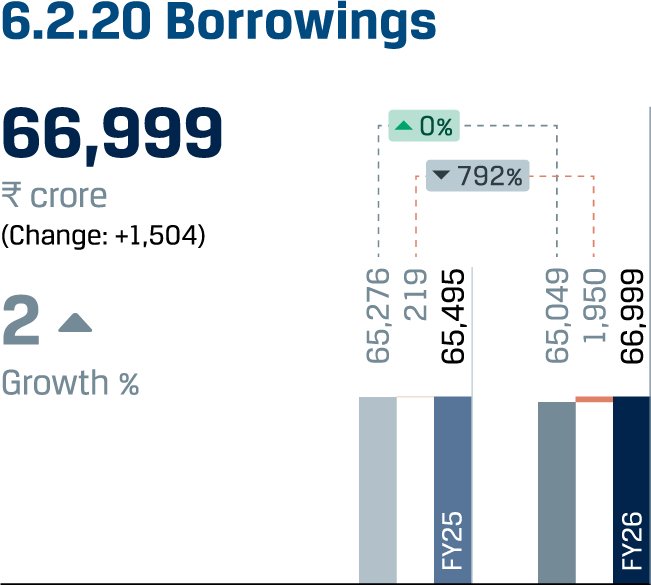
Borrowings (non current) (including current maturity of long-term borrowings) decreased by primarily due to repayment of term loans (net of drawls) offset by increase in borrowings due to exchange fluctuation on account of rupee depreciation against US Dollar and Euro.
Borrowings (current) increased by ₹1,731 crore to ₹1,950 crore primarily due to increase in acceptances for capital projects.
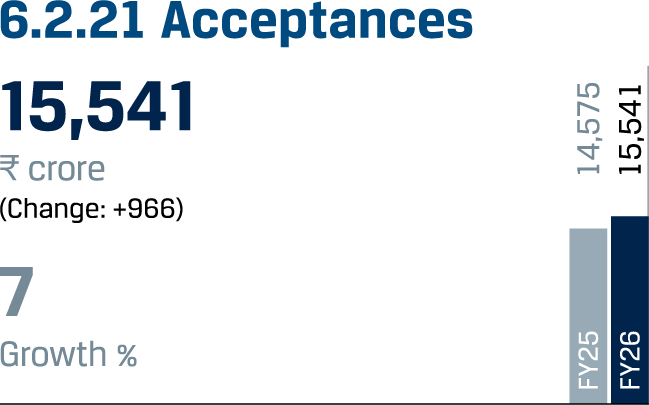
Acceptances increased by ₹966 crore during FY 2025‑26, primarily due to adverse movements in the USD exchange rate, with no material change in the underlying equivalent USD exposure.
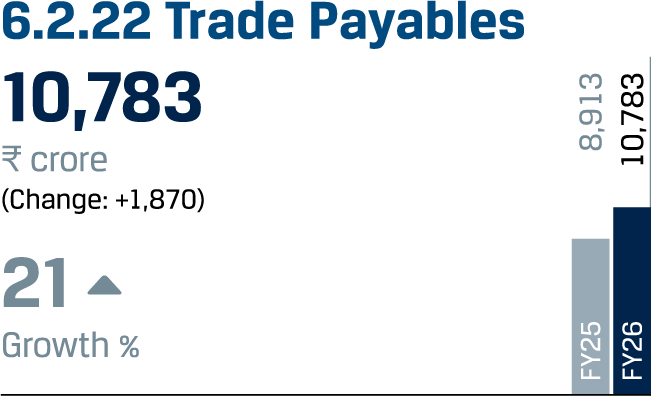
Trade payables increased by ₹1,870 crore to ₹10,783 crore primarily on account of increase in volume of operations.
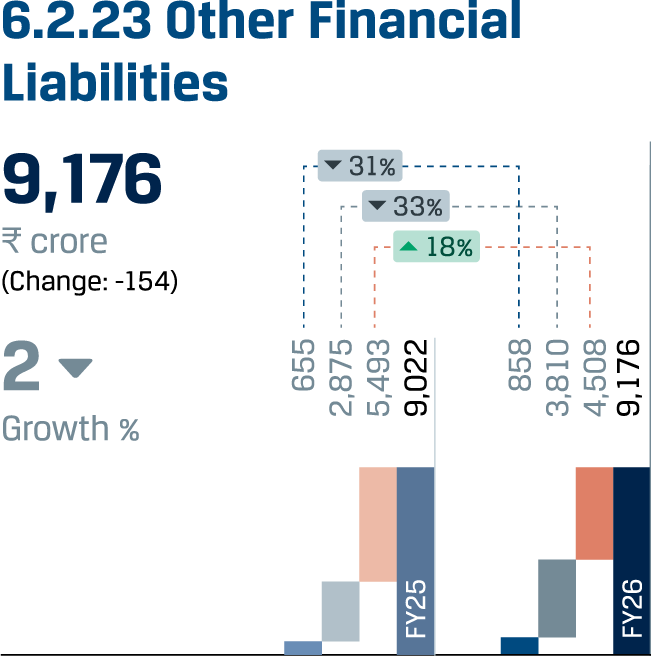
Other financial liabilities increased by ₹203 crore to ₹858 crore. The increase is primarily on account of increase in retention money from capital creditors.
Lease liabilities increased by ₹936 crore to ₹3,810 crore primarily on account commencement of contract relating to Air Separator Unit at Vijayanagar works, cargo handling at ports and coal washing plant in Jharkhand partially, partially offset by the repayment of principal amount on leases.
Other current financial liabilities decreased by ₹984 crore to ₹7,222 crore primarily on account of decrease in bid premium and royalty payable due to decrease in overall volume of iron ore production, reduction in refund liabilities.
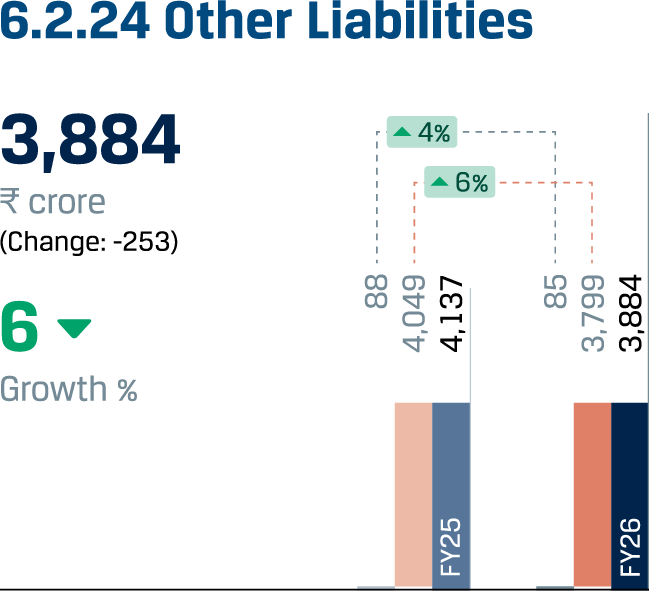
Other liabilities decreased by ₹253 crore to ₹3,884 crore due to decrease in statutory liabilities partially offset by increase in export obligation deferred income.
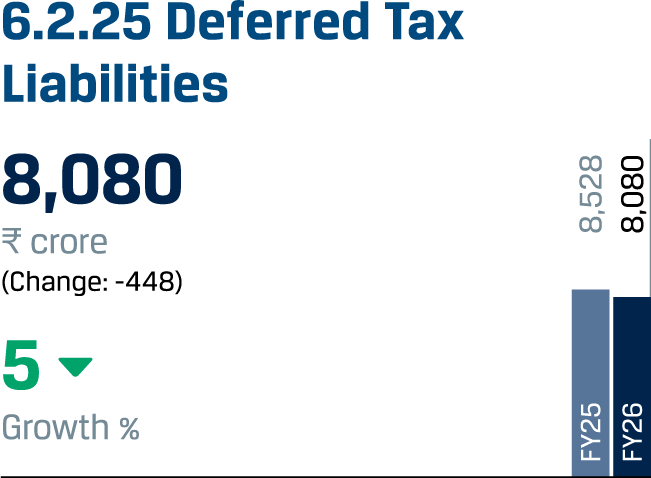
Deferred tax liabilities decreased by ₹448 crore primarily on account of creation of deferred tax asset on exchange difference pertaining to capital payables.
Total capital employed increased 3.6% y-o-y to ₹1,28,772 crore in FY 2025-26 primarily due to capitalisation of Property, Plant & Equipment and increase in net current assets. Return on average capital employed for FY 2025-26 was 11.1%, as against 10.5% in FY 2024-25 due to higher EBITDA margin at 15.2% in FY 2025-26 as against 14.4% in the previous year.
JSW Steel’s equity increased from ₹79,839 crore to ₹85,660 crore as on March 31, 2026. Book value per share was at ₹350.28 as on March 31, 2026, as compared to ₹326.48 as on March 31, 2025.
| FY 2025-26 | FY 2024-25 | Change | Growth (%) | Reason for change | |
|---|---|---|---|---|---|
| Efficiency ratio | |||||
| Debtors Turnover (no. of days) | 18 | 18 | - | - | No movement |
| Raw Materials Inventory (including own mines) Turnover (no. of days) | 48 | 47 | 1 | 2% | Increase was primarily due to increase in raw material inventory. |
| Finished Goods Inventory Turnover (no. of days) | 24 | 29 | -5 | -17% | Inventory decline was driven by higher liquidation and increased sales on improved domestic demand. |
| Inventory Turnover (no. of days) | 77 | 81 | -4 | -5% | Decrease was primarily due to lower average inventory and higher cost of goods sold due to sales volume increase. |
| Solvency/Leverage ratio | |||||
| Interest Coverage Ratio | 4.16 | 3.21 | 0.95 | 30% | Interest Coverage ratio increased mainly due to higher EBITDA margin over previous year and increase in volumes resulting into higher operating EBITDA of ₹20,191 crore as compared to ₹18,381 crore in last year. |
| Debt Equity Ratio | 0.78 | 0.82 | -0.04 | -5% | The debt equity ratio was lower as borrowing increased by ₹1,504 crore only as compared to increase in equity by ₹5,821 crore due to profit after tax for the year was ₹6,522 crore. |
| Liquidity ratio | |||||
| Current Ratio | 1.04 | 1.06 | -0.02 | -2% | Marginal decrease due to marginal increase in current liabilities over current assets. |
| Profitability ratio | |||||
| Operating EBITDA Margin (%) | 15.20% | 14.39% | 0.81% | 6% | The Company achieved an annual operating EBITDA of ₹20,191 crore, with an EBITDA margin of 15.2% an increase of 5.6% y-o-y. EBITDA per tonne was at ₹9,015 during FY 2025-26, higher by 7% y-o-y primarily on account of decrease in cost per ton which was partially offset by decrease in net sales realisation in FY 2025-26. |
| Net Profit Margin | 4.91% | 4.57% | 0.34% | 7% | The net profit margin increased primarily on account of increase in operating profit. |
Global financial conditions in 2026 were shaped by heightened geopolitical uncertainty following the escalation of conflict in the Middle East, which disrupted commodity markets, intensified inflationary pressures and weakened global growth expectations. Global growth was projected at 3.1% in 2026, lower than the 3.4% recorded during 2024 and 2025 while global inflation was expected to rise to 4.4%. Although supportive monetary policies, technology-led investments and relatively accommodative financial conditions provided some resilience, concerns around volatile energy prices, elevated public debt and tighter long-term financial conditions continued to weigh on the global outlook, particularly for emerging and developing economies.
India’s financial environment remained supportive during FY 2025-26, backed by the Reserve Bank of India’s accommodative monetary stance. Between April and December 2025, the RBI reduced the repo rate by 100 basis points to 5.25% and lowered the cash reserve ratio by 100 basis points to 3.0% to improve credit availability and stimulate investment activity. These interventions supported credit flow, strengthened liquidity conditions and encouraged investment activity, resulting in a sustained surplus liquidity environment across the financial system during FY 2025-26.
JSW Steel continues to maintain a prudent capital structure aligned with the needs of its capital-intensive business, focusing on sustaining strong credit quality, healthy capital ratios and an optimal mix of debt and equity. Capital allocation remained directed towards capacity expansion, strategic acquisitions and disciplined debt management, supported by strong operational cash flows, banking facilities and capital market funding. The Company also pursued financing and refinancing opportunities to diversify its debt profile, optimise borrowing costs and enhance maturity tenures. Supported by robust liquidity management practices, effective risk monitoring frameworks and diversified customer exposure, the Company maintained adequate liquidity, mitigated credit risks and ensured financial resilience through continuous monitoring of cash flows, counterparties and funding requirements.
JSW Steel continued to maintain strong credit ratings across leading domestic and international rating agencies, reflecting the Company’s resilient financial profile and prudent capital management. Internationally, the Company was rated Ba1 (Positive) by Moody’s and BB (Rating Watch Positive) by Fitch, while the Japanese Credit Rating Agency and Research & Investment Inc. assigned ratings of A- (Stable), positioned one notch above India’s sovereign rating. Domestically, the Company maintained ratings of AA (Watch with Positive Implications) from ICRA and India Ratings (Ind-Ra) alongside AA (Stable) from CARE.
JSW Steel’s digital transformation strategy leverages the power of Industry 4.0 technologies to enhance operational efficiency, product quality, safety and sustainability. By integrating advanced digital solutions such as IoT-enabled sensors in mining and machine learning applications in manufacturing, the Company enables real-time process optimisation. Key initiatives, including digital twins, predictive analytics and AI-driven systems support proactive maintenance and strengthen data-driven decisionmaking. These advancements foster a culture of innovation, streamline operations and establish new industry benchmarks. Through this transformation, JSW Steel is redefining conventional practices and contributing to a more efficient and sustainable future for steel production.
Read moreJSW Steel recognises that its ambition to become a more efficient and leading steel producer is underpinned by the commitment and expertise of its people. Talent management remains central to the Company’s strategy, supported by a nurturing work environment and competitive remuneration structures. Employees are provided with extensive learning and career development opportunities, while a strong focus on diversity and inclusion fosters an empowering and inclusive culture. The integration of digitalisation further enhances workforce capabilities and drives operational efficiency. Backed by robust health and safety practices, the Company prioritises employee well-being, enabling its workforce to consistently deliver high performance.
Read moreJSW Steel’s guiding principle, ‘Better Everyday’, extends well beyond its commitment to Corporate Social Responsibility. The Company is dedicated to addressing social inequalities and contributing to a more inclusive and prosperous India. Its approach is grounded in empathy with a strong emphasis on meaningful stakeholder engagement, grassroots participation and local involvement, ensuring its initiatives are relevant and impactful within communities. The Company focuses on high-impact programmes across critical areas, including advancing education to unlock potential, promoting livelihoods and skill development to drive economic independence, enhancing health and nutrition for overall well-being and strengthening community development through essential infrastructure and sustainable practices. In addition, it actively supports sports development and the preservation of India’s rich art and cultural heritage. Through these scalable and sustainable initiatives, JSW Steel remains committed to creating lasting, positive change across the nation.

Improving rural healthcare through outreach, building a healthier nation with comprehensive programmes.
3.36 lakh Beneficiaries
Promoting waste management, raising awareness and encourage waste upcycling and alternative livelihoods in communities.
5.2 lakh Beneficiaries (Waste)
Champion India's art, culture and heritage through restoration initiatives, preserving traditions and societal evolution.
8 Projects supported
Creating safe, inspiring learning environments, ensuring lifelong passion for education through strategic collaborations.
2.19 lakh Beneficiaries
Empower communities by providing vocational training, micro entrepreneurship and supporting women’s self-help groups.
~66,000 Beneficiaries
Collaborate with farmers, enhancing skills, productivity and market access to promote sustainable incomes.

Supporting sustainable water solutions, including solar bore wells and rainwater harvesting, aligned with United Nations Sustainable Development Goals.
~13.32 lakh Beneficiaries (WES)
Nurture India's sporting talent through school initiatives, offering training in various disciplines to develop champions.
26,000 Beneficiaries Read moreJSW Steel’s Enterprise Risk Management (ERM) framework offers a robust and structured approach to identify, prioritise, manage, monitor and report on both current and emerging risks. Adhering to the globally recognised Committee of Sponsoring Organisations (COSO) framework, it integrates internal controls seamlessly into business processes. The Company employs a balanced risk management strategy, incorporating both bottom-up and top-down approaches. Local plants and corporate functions identify and assess risks, implementing effective mitigation strategies, while the Risk Management Group (Senior Leadership Team) and the Risk Management Committee (RMC) oversee long-term strategic and macro risks. The RMC, chaired by an Independent Director, ensures risks are prudently managed, focusing on executing strategies and mitigating unintended.
Read moreJSW Steel has established a robust internal control and internal financial control framework aligned with the scale and complexity of its operations. Supported by integrated ERP systems, comprehensive policies, compliance mechanisms, risk-based internal audits and strong governance oversight through the Audit Committee, the framework ensures operational efficiency, regulatory compliance, financial reporting integrity and effective risk management. The internal audit function, guided by globally recognised practices and the COSO framework, regularly evaluates controls, with no material weaknesses identified during the year.
Read moreContinue reading:
← 11.0 Risk Management