STEELING THE FOUNDATIONS OF A NEW INDIA
India's steel sector is entering a transformative phase driven by infrastructure expansion, industrial self-reliance, sustainability ambitions and rapid technological advancement. As the country emerges as a global manufacturing powerhouse, steel will remain as the unyielding core of economic progress, supporting mobility, urbanisation, energy transition and digital integration. Against this backdrop, we are accelerating capacity expansion, strengthening operational resilience and sharpening our technological edge to build on our globally competitive enterprise.

PUSH TOWARDS A SELF-RELIANT FUTURE
India's steel sector, the bedrock of the nation's economic transformation, continues to reinforce its position as a globally competitive and strategically vital industry. Having emerged as the world's second-largest steel producer in 2018, India has consistently retained this ranking, with its share in global crude steel production rising from 5.2% in 2014 to 8.9% in 2025. As the second-largest consumer of finished steel, India has seen consumption more than double – rising from 77 MT in FY 2014-15 to 164.2 MT in FY 2025-26 – driven by rapid infrastructure creation, accelerating urbanisation, and resurgence in manufacturing. With a target of 500 MT steel production capacity by 2047, alongside a resolute transition towards net-zero emissions by 2070, the sector is poised to play a defining role in shaping India's long-term growth journey.*
Our response
We have consistently expanded our scale, capabilities and market leadership over the years. With a consolidated crude steel capacity of 37.9 MTPA, including 1.5 MTPA in the US and a domestic capacity of 36.4 MTPA, we are now entering our next phase of transformative growth. Backed by a disciplined expansion pipeline, JSW Steel is progressing towards a consolidated capacity of 53.3 MTPA by FY 2029-30, with a roadmap to reach 79.5 MTPA by FY 2031-32.
*Press Information Bureau

INFRASTRUCTURE-LED STEEL DEMAND
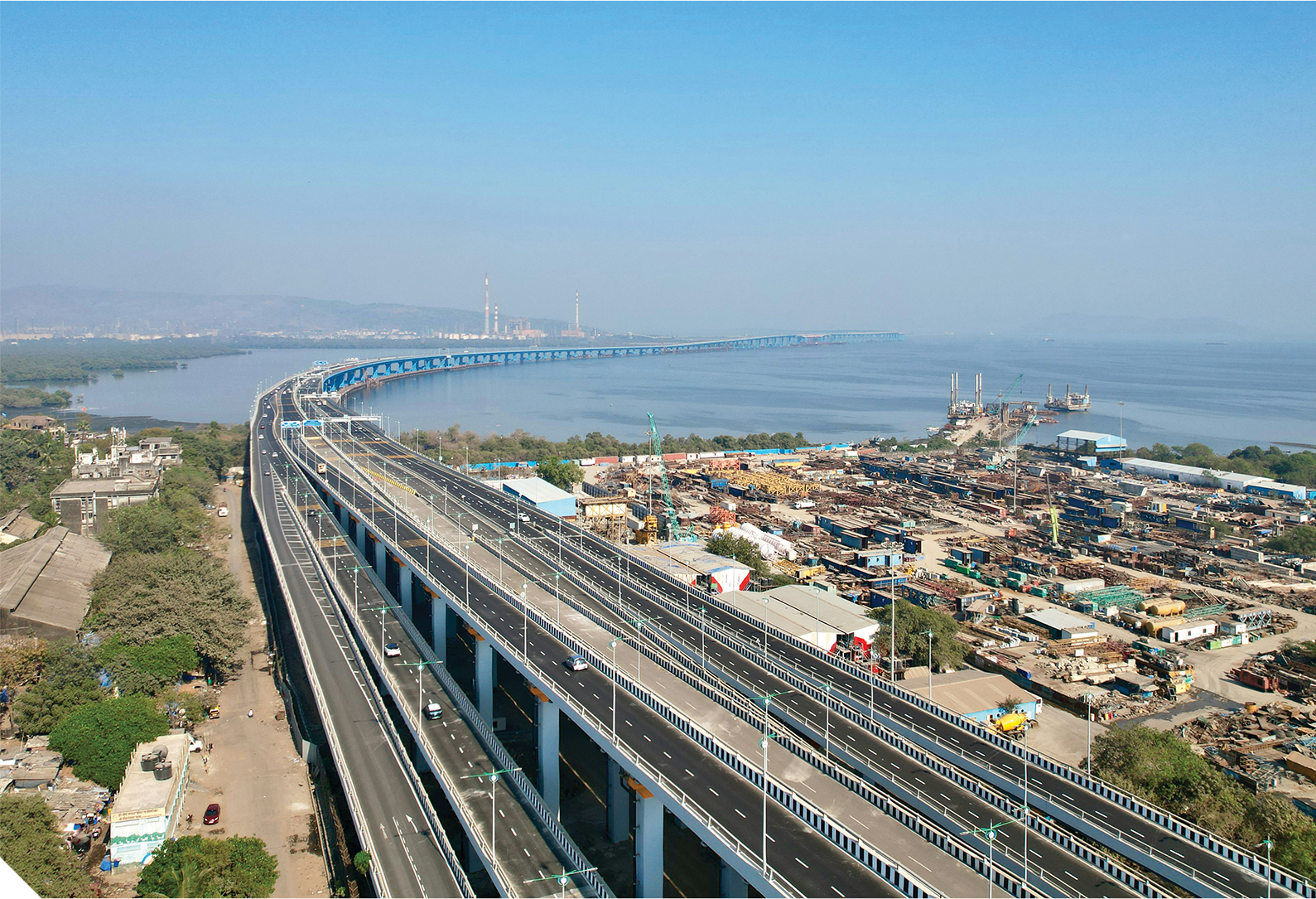
India's sustained focus on infrastructure is unlocking significant long-term opportunities for the steel sector. An 11.5% y-o-y increase in central government capital expenditure to ₹12.2 lakh crore in FY 2026-27, alongside initiatives such as Dedicated Freight Corridors, high-speed rail connectivity, expanded inland waterways and coastal cargo infrastructure, is set to drive substantial demand for steel across transportation, logistics and industrial development. Measures such as the operationalisation of 20 National Waterways, development of multimodal cargo systems, ship repair ecosystems and enhanced urban and regional connectivity are set to accelerate industrial activity in mineral-rich and manufacturing-intensive regions. Simultaneously, the Government's focus on infrastructure financing, asset monetisation and environmentally sustainable transport systems reinforces confidence in long-term capital investment. Collectively, these initiatives create a strong growth runway for steel companies by supporting higher infrastructure intensity, accelerating industrial expansion and strengthening India's journey towards self-reliance.#
Our response
We continue to play a pivotal role in shaping India's infrastructure growth by supplying steel for several marquee projects across transportation, energy and urban development. Our Company is contributing to the 70 km Mumbai-Ahmedabad Bullet Train corridor, 55 km of metro rail projects across major cities, 889 km of expressways and highways and 235 km of bridges alongside extensive water and oil and gas pipeline networks. We are also supporting key airports and strategic nuclear power projects. In the energy sector, we are driving transition with our renewable energy projects of 2.0 GW solar and 1.2 GW wind capacity.
#Budget 2026-27

CHARGING AHEAD INTO A GREENER FUTURE
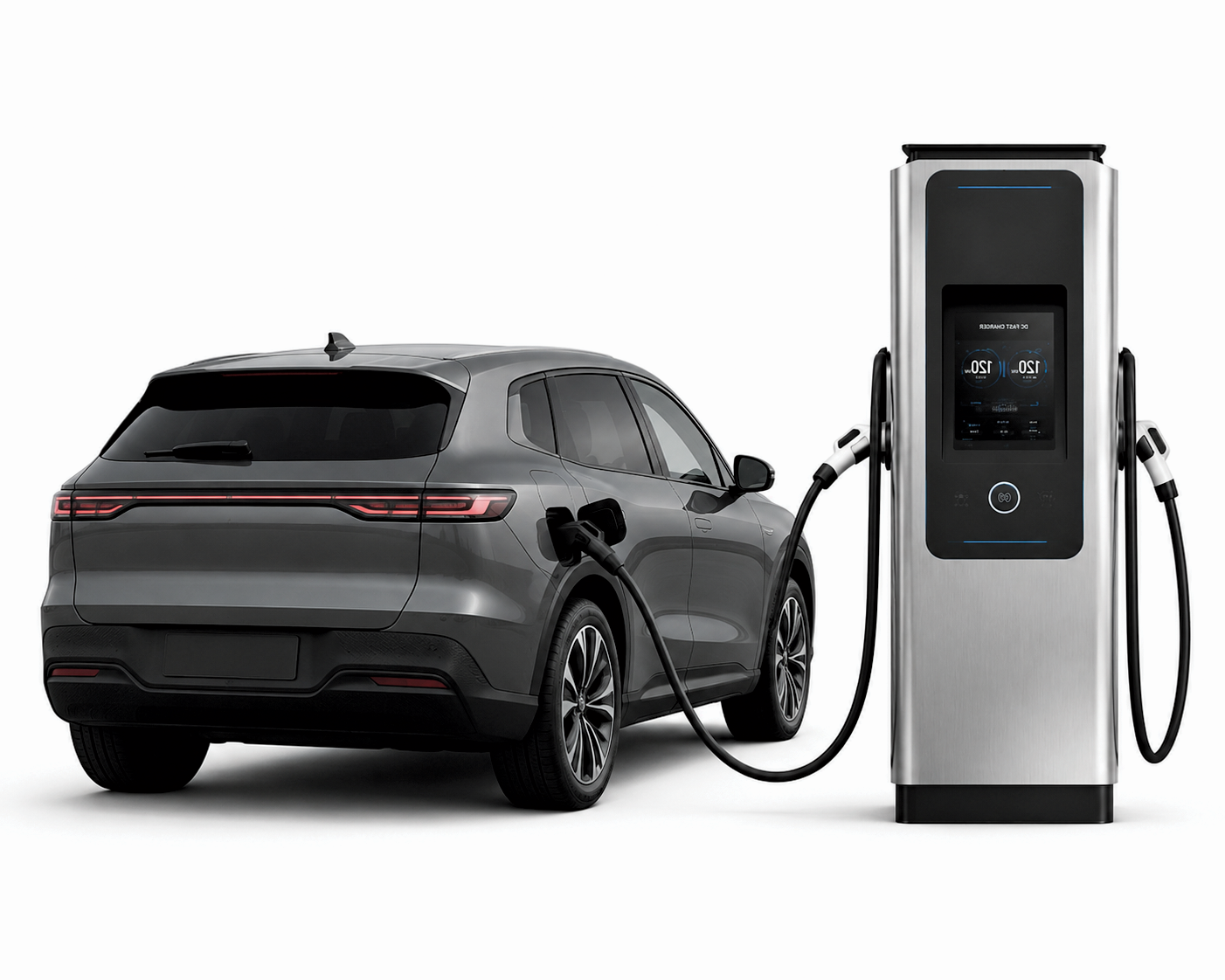
India's transition towards electric mobility is opening significant long-term opportunities for the steel sector as the country strengthens its position as one of the world's largest and fastest-growing automotive markets. With EVs accounting for 8.5% of total vehicle sales in FY 2025-26, supported by strong policy momentum, the shift towards cleaner transportation is driving substantial demand across automotive manufacturing, charging infrastructure, and public mobility systems. Government-led initiatives such as the PLI schemes for automobiles, electric passenger vehicles, alongside investments in e-buses, charging infrastructure and domestic component manufacturing, are accelerating the development of a self-reliant EV value chain. By 2030, India's automotive steel market is projected to reach US$7.6 billion (Grandview Research estimates), growing at a robust 7.7% CAGR between 2025 and 2030, creating a high-value runway for specialised steel grades.
Our response
Through sustained investments in technologically advanced manufacturing facilities, we are strengthening our portfolio of value-added and sustainable steel solutions tailored to the evolving needs of India's automotive sector. Our diversified offerings span hot rolled, cold rolled, coated, electrical and long steel products, enabling us to support next-generation mobility requirements. We are also enhancing our capabilities in specialised products such as Advanced High Strength Steel (AHSS), exposed-grade skin panels in cold rolled and coated steel, and ultra-thin electrical steel critical for EV traction motors.

ENTERING THE NEXT ERA OF EFFICIENCY
The steel industry is steadily transitioning towards a more intelligent, connected and data-driven operating model, where digitalisation is a fundamental enabler of efficiency, reliability and global competitiveness. Technologies such as AI, IIoT, predictive maintenance and Digital Twins are providing unprecedented process visibility, allowing steel manufacturers to optimise energy usage, improve product quality and minimise operational disruptions. By leveraging real-time performance monitoring and advanced analytics, steel plants are shifting from reactive operations to predictive, planned decision-making. While the transformation is gradual, these collective advancements are strengthening productivity, reducing downtime, and creating a more resilient, future-ready manufacturing ecosystem.
Our response
We continue to accelerate our digital transformation journey by embedding Industry 4.0 technologies across manufacturing, supply chain, maintenance, safety and customer engagement functions to create a more intelligent and agile steelmaking ecosystem. Through the deployment of AI, Machine Learning, IIoT, predictive maintenance, Digital Twins and Vision.AI systems, we are enhancing operational visibility and equipment reliability while optimising energy efficiency and data-led decision-making. During FY 2025-26, we strengthened our enterprise-wide digital backbone through integrated platforms, real-time analytics and automation to generate superior operational resilience.

A LOW-CARBON FUTURE FOR INDIAN STEEL
Under its Paris Agreement Nationally Determined Contributions (NDCs), India has committed to achieving net-zero emissions by 2070. The nation's decarbonisation agenda, which serves as the overarching framework guiding its pursuit of this goal, is reshaping the future of Indian heavy industries that are, at once, integral to its mission of becoming a global manufacturing behemoth and transitioning toward a low-carbon economy. It has created a strong impetus for the steel sector to grow more responsibly, and the economy-wide changes that it is setting into motion, such as the rapid expansion of renewable energy capacity through initiatives like the National Green Hydrogen Mission, are forging a conducive backdrop for scaling low-carbon manufacturing and clean energy integration. These developments are positioning the Indian steel industry to reconcile the objectives of bolstering global competitiveness and contributing to the country's sustainability and decarbonisation ambitions.
Our response
Our two-phase decarbonisation roadmap charts a course for reducing CO2 emissions intensity across our ISPs to 1.95 tCO2/tcs by 2030 and becoming net neutral in carbon emissions across all operations under our direct control by 2050. To accelerate our pursuit of these targets, we are investing in deep-decarbonisation technologies such as green hydrogen, CCUS, and electric-based steelmaking, as well as high-impact capital projects. Together, these initiatives are enabling us to build a more sustainable and future-ready steel manufacturing ecosystem that effectively decouples operational growth from environmental impact.

THE FUTURE OF GREEN STEEL
In the face of rapidly shifting regulations, customer preferences, and investor expectations in favour of more stringent environmental controls, India is striving to create a policy landscape amenable to fostering green steel manufacturing. In 2024, India established itself as the first nation globally to introduce a green steel taxonomy. By codifying emissions intensity benchmarks that steel produced across the country must satisfy to qualify as ‘green’, the policy instrument seeks to reward companies at the forefront of responsible steelmaking and channel investments towards them by equipping investors with a framework to identify producers with superior emissions performance. Complementary measures, including energy policy reforms, green procurement initiatives, and the development of scrap recycling infrastructure, are further propelling the sector’s transition towards low-carbon, resource-efficient production pathways. By virtue of these interventions, the Indian steel industry remains poised to emerge as a global benchmark for sustainable steel production.
Our response
During FY 2025-26, we operationalised India’s largest commercial-scale green hydrogen application in steelmaking at Vijayanagar, marking a significant milestone in reducing carbon intensity and enabling future-ready steel production. In parallel, we continued advancing carbon capture, utilisation and storage (CCUS) pilots to address residual, hard-to-abate emissions. By integrating AI-driven optimisation and digitalisation, we further improved energy efficiency, process stability and operational sustainability across our manufacturing ecosystem.

NAVIGATING THE NEXT RESOURCE TRANSITION
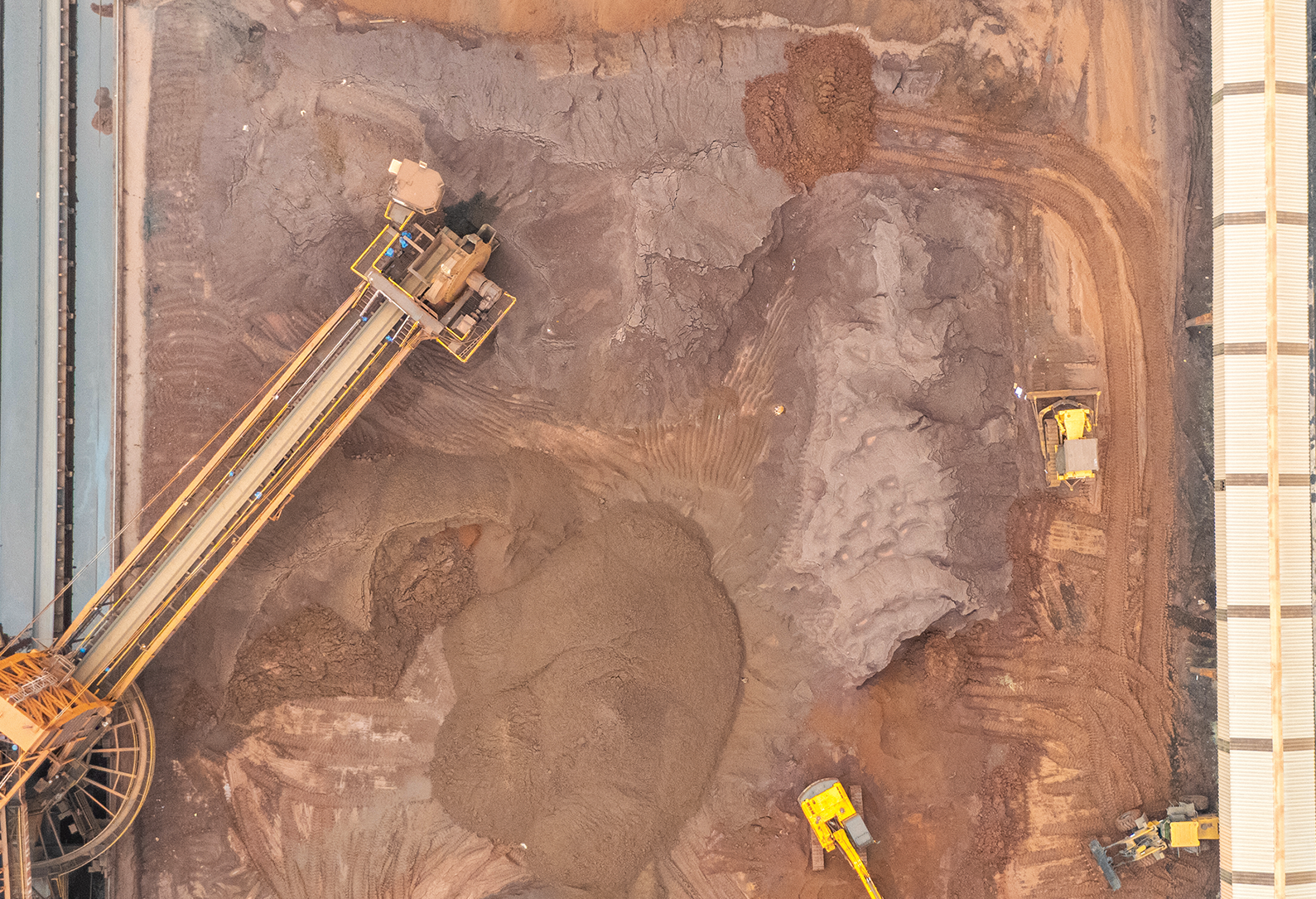
The upcoming expiry of multiple captive iron ore mining leases by 2030 marks a significant transition for India's steel sector. With the industry moving towards competitive allocation through government-led auctions under the Mines and Minerals (Development and Regulation) Act, steel producers will increasingly focus on strengthening resource security through strategic partnerships, long-term mining strategies and aggressive investments to secure raw material access. This evolving landscape makes 2030 a critical milestone, whereby the ability to manage resource dynamics will dictate the pace and stability of future steel production and capacity expansion.
Our response
During FY 2025–26, we continued to strengthen our raw material security strategy through expanding captive mining operations and strategic global resource acquisitions. Our Company now has 25 iron ore mines, with 13 already operational, supporting our long-term target of meeting nearly 50% of iron ore requirements by FY 2030-31. On the coking coal front, we have significantly enhanced supply assurance through domestic assets, coking coal linkages and a higher stake in Australia’s Illawarra mines. A key milestone during the year was the acquisition of the Minas de Revuboè (MdR) coking coal mine in Mozambique, providing long-term access to premium hard coking coal reserves and reinforcing long-term supply security.

STRENGTHENING THE CIRCULAR STEEL ECONOMY
India’s Steel Scrap Recycling Policy, 2019 is playing a pivotal role in strengthening the country’s transition towards a more sustainable and self-reliant steel ecosystem. By incentivising the availability of high-quality domestic ferrous scrap, the policy aims to reduce dependence on imports while championing resource efficiency and promoting low-carbon steel production. With India’s steel scrap consumption currently at around 30 MT, scaling its usage is a primary lever for lowering energy intensity, reducing water consumption and minimising greenhouse gas emissions. These measures are accelerating a circular steel economy, reinforcing India’s ambition to lead green steel production and its long-term decarbonisation agenda.
Our response
We have significantly accelerated scrap utilisation across our steelmaking operations, consuming over 300 KT of external scrap and recording a strong 70% y-o-y increase. This expansion reflects our continued focus on enhancing resource efficiency, reducing dependence on virgin raw materials and lowering the carbon footprint of steel production. In line with the Government of India’s Steel Scrap Recycling Policy, 2019, we are also establishing 0.5 MTPA scrap processing facilities in Maharashtra and Tamil Nadu, while strengthening closed-loop material systems to maximise scrap recovery, minimise waste generation, and support more resource-efficient and sustainable steelmaking.