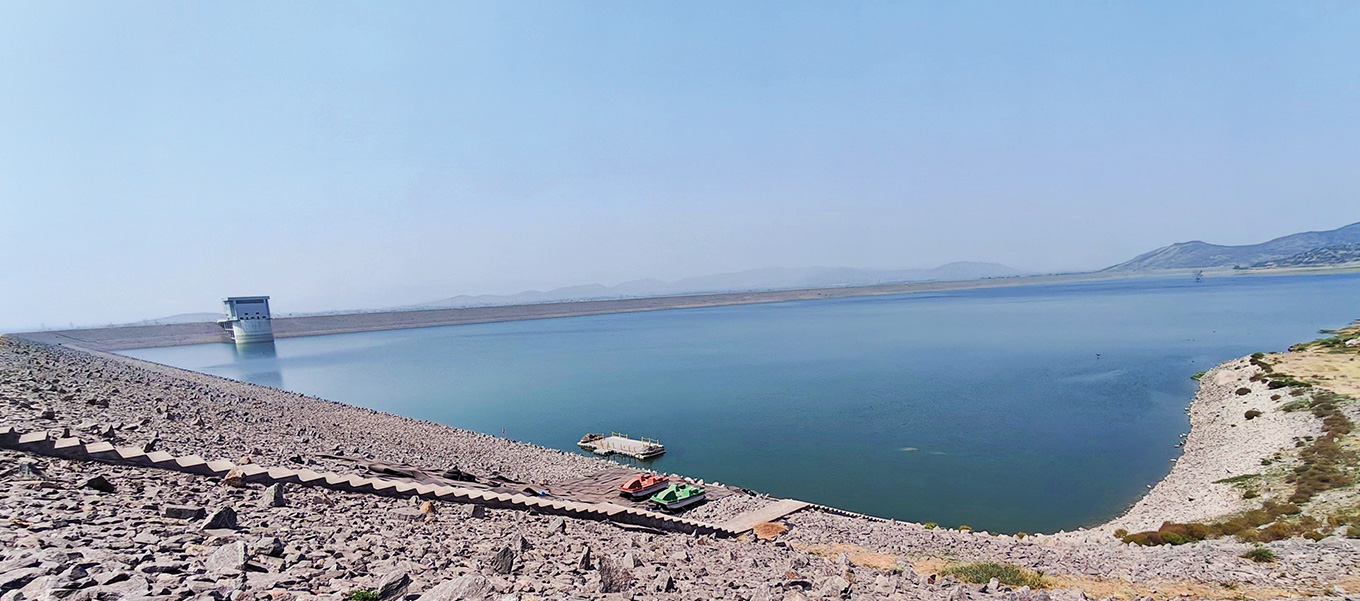
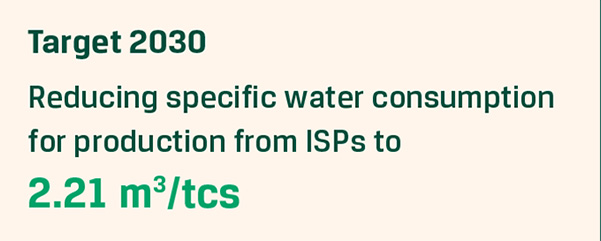

At JSW Steel, we believe every drop of water matters not just for our operations but also for the resilience and wellbeing of surrounding ecosystems and communities. We thus reinforced our efforts aimed at improving water stewardship at our facilities, especially those operating in water-constrained areas. Our approach strives to blend scientific accuracy and local responsiveness by simultaneously leveraging both best-in-class water-saving technologies and intensive community interface, thereby integrating data-driven and participatory methods. We conduct thorough water use assessments across all our facilities to identify inefficiencies and potential areas for improvement. Based on the insights gained from our water use assessments, we implement an array of actions aimed at reducing water consumption.
From conversation to regeneration
Guided by a comprehensive hydrogeological appraisal and a microlayer perspective on site-bound water flows, our water management approach is centred on maximising use, improving internal recycling and engineering quantifiable potential recharge.
JSW Steel's focus on water conservation is evident through rainwater harvesting systems, which are fitted in all our major plants to collect and store rainwater for non-drinking purposes and reduce reliance on external water sources. The systems replenish groundwater as well as offset the impact of water shortages in regions where we operate.
In FY 2024-25, we increased nature-based solutions, advanced closed-loop systems and introduced new reuse channels, with the aim to return as much as we take, if not more. By virtue of our efforts, we have not witnessed any water-related incidents over the course of the past four years.
Smart systems, smarter stewardship
With real-time tracking and predictive analytics, we have strengthened our monitoring of water consumption patterns across our units. Smart sensors, digital dashboards and automated feedback loops are now an integral part of our water infrastructure, ensuring rapid responses and continual improvement. Additionally, our industrial cooling systems, steel melting shops and blast furnaces have undergone specific upgrades, including the use of dry systems, which allow for greater cooling efficiency and concurrently reduce dependence on fresh water sources.
Collaborative interventions, tangible outcomes
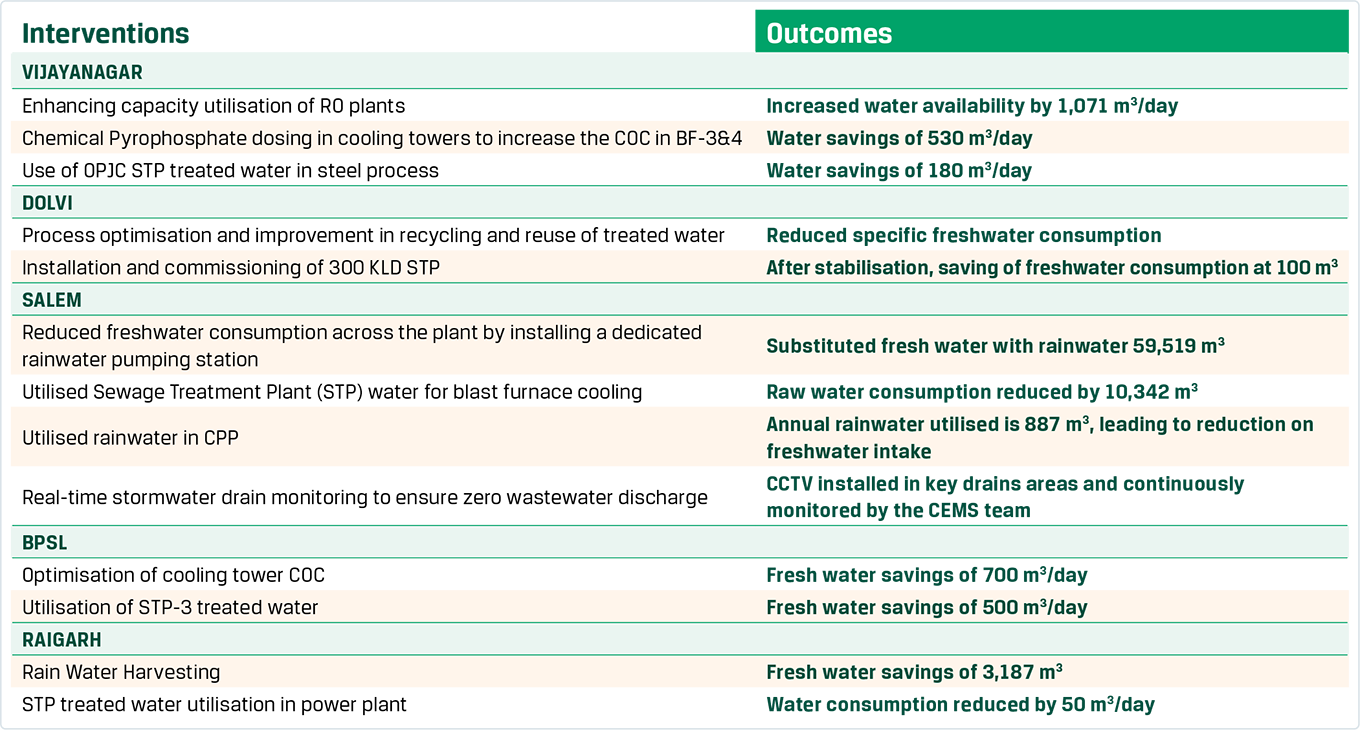
Over the past year, our facilities implemented various tailored interventions, including enhanced dosing in reverse osmosis systems, blowdown controls, and improved cooling tower cycles of concentration upgrades. These have enabled us to realise measurable reductions in process water usage and bolster the efficiency of our water-recycling infrastructure.
Our decentralised strategy empowers each facility to implement contextspecific water management solutions. It equips every facility with the agency and decision-making authority needed to tailor its water initiatives to its unique needs, geographical location, and risk profile. This emphasis on context-specific decision-making results in a diverse array of solutions across our operations, ranging from aquifer recharge and reuse at Vijayanagar to cooling optimisation at Salem and reuse in Dolvi.
Beyond the plant: Water security for all
We carefully manage water use to protect local sources and promote long-term sustainability. As part of our efforts aimed at safeguarding freshwater systems, we prioritise responsible sourcing, assess regional water stress and conduct risk assessments across key sites to identify conservation opportunities. By consistently collaborating with key external stakeholders, including local communities, NGOs, and relevant authorities, we aim to align our water conservation efforts with regional water plans and promote equitable access to clean water. This participatory approach allows us to ensure that our operations do not impinge on the livelihoods and health of nearby communities by constraining their access to water essential for agriculture, sanitation, and community development.
At JSW Steel, we envisage water as a powerful force for good. Therefore, we actively promote collective responsibility for this vital shared resource. In doing so, we not only enhance our operational resilience but also contribute to global sustainability goals. Our commitment to water transparency is reflected by the meticulous reporting of our activities' impact on nearby water sources and our ambitious water preservation and remediation initiatives, both of which have led to us being recognised as an industry leader in water stewardship. Through meticulous risk assessments, JSW Steel has identified key risks associated with water scarcity and continues to strengthen its water conservation efforts by reducing water consumption across its operations. As part of these assessments, and in an attempt to future-proof our operations, we also evaluate the potential impact of future water-related regulatory changes. Notably, over the past four fiscal years, there have been no water-related incidents that have materially affected our costs or revenues.
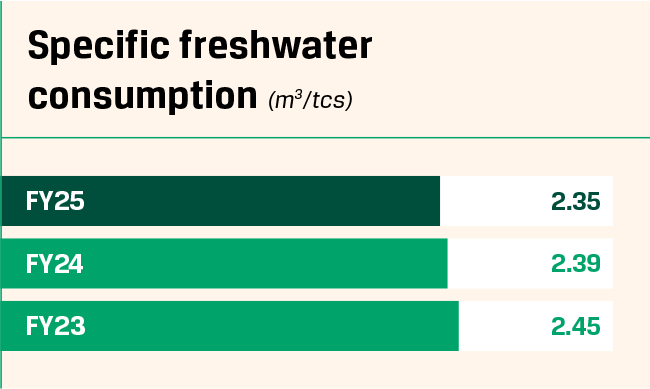
Water consumption

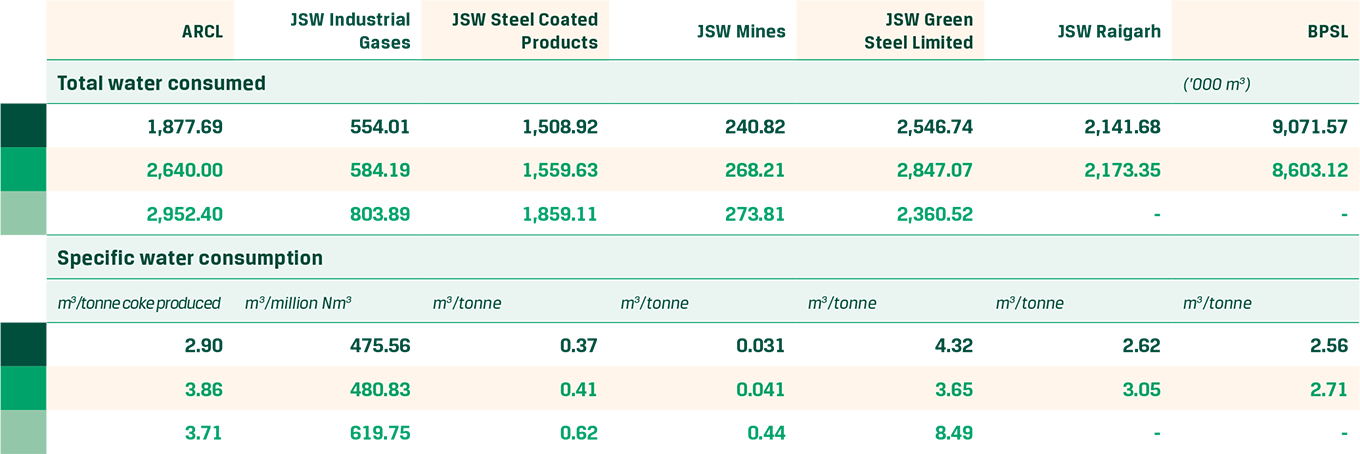
Leveraging best available technology to enhance water management and efficiency
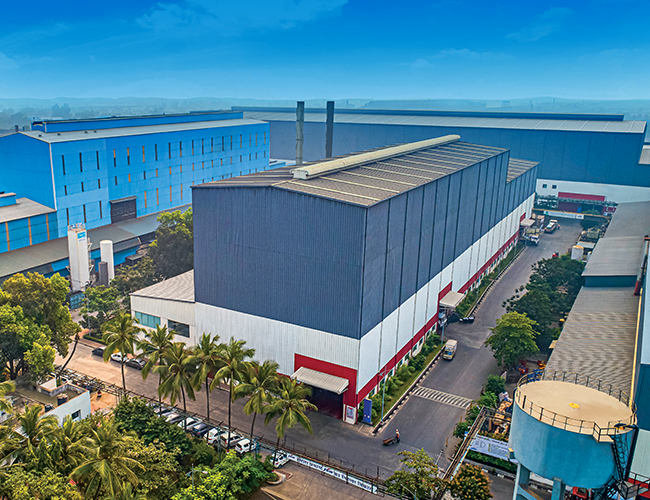
This year, in a bid to further reduce water consumption and advance our organisation-wide goal of achieving zero liquid discharge, our Tarapur plant implemented a series of technological upgrades. A key enhancement was the successful installation of an Agitated Thin Film Dryer (ATFD). This new system now treats the centrifugal pusher purge stream, and its integration has notably improved the efficiency of our Multiple Effect Evaporator (MEE) system, which concentrates and recovers water from process effluents. As a result, the plant has achieved a substantial reduction in freshwater consumption, saving approximately 111 m³ per day. This milestone underscores our commitment to adopting and deploying the best available technologies to further our sustainability goals.
111 m3
Freshwater saved daily
Enhancing water stewardship
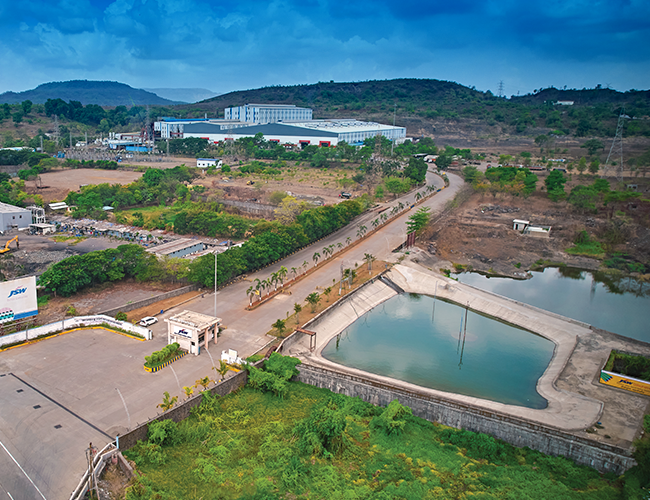
JSW Steel Coated Products Limited’s Khopoli facility has pioneered a state-of-the-art rainwater harvesting (RWH) initiative that not only allows it to meet regulatory standards but also champions environmental stewardship. The site uses its rooftop area to collect, store, and treat rainwater, rendering it suitable for reuse in manufacturing processes. Beyond rooftop harvesting, specially designed ponds near the main gate, with a 50,000 m3 capacity, capture surface runoff, ensuring a steady water supply throughout the monsoon and enabling complete reliance on rainwater during days with ample rainfall.
By virtue of these initiatives, we now directly consume 59,561 m3 of collected rainwater, representing 33.42% of our total consumption. This holistic approach not only safeguards operational water needs but also advances broader goals like groundwater recharge, flood control and climate resilience, reinforcing our role as an industrial leader in sustainable water management.
59,561 m3
Of rainwater used during the year
A Bold Leap in Water Conservation
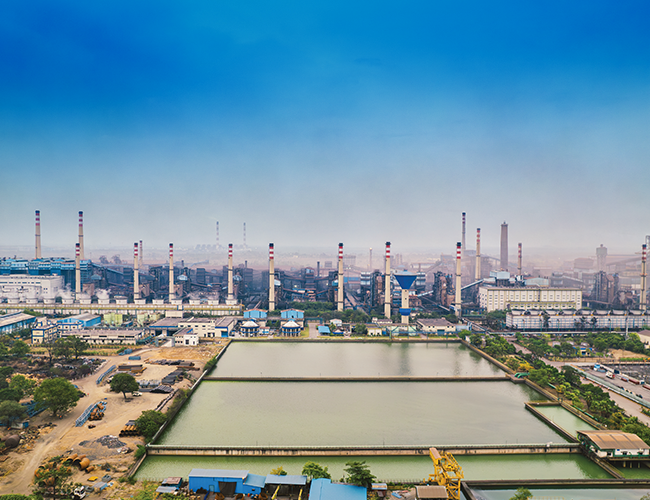
At JSW BPSL, we have made bold strides in water conservation by optimising the Cooling Tower Cycle of Concentration (COC), a pivotal move in our journey towards maintaining zero liquid discharge. In integrated steel plants, cooling towers account for 60–70% of freshwater use. By enhancing our COC from 2 to between 4 and 5 through improved water chemistry and system controls, we have drastically reduced blowdown and now save nearly 4,000 m³ of freshwater daily. This initiative not only protects operational integrity but also reinforces our commitment to sustainable industrial practices and strengthens our leadership in water stewardship.
4,000 m3
Freshwater saved daily
