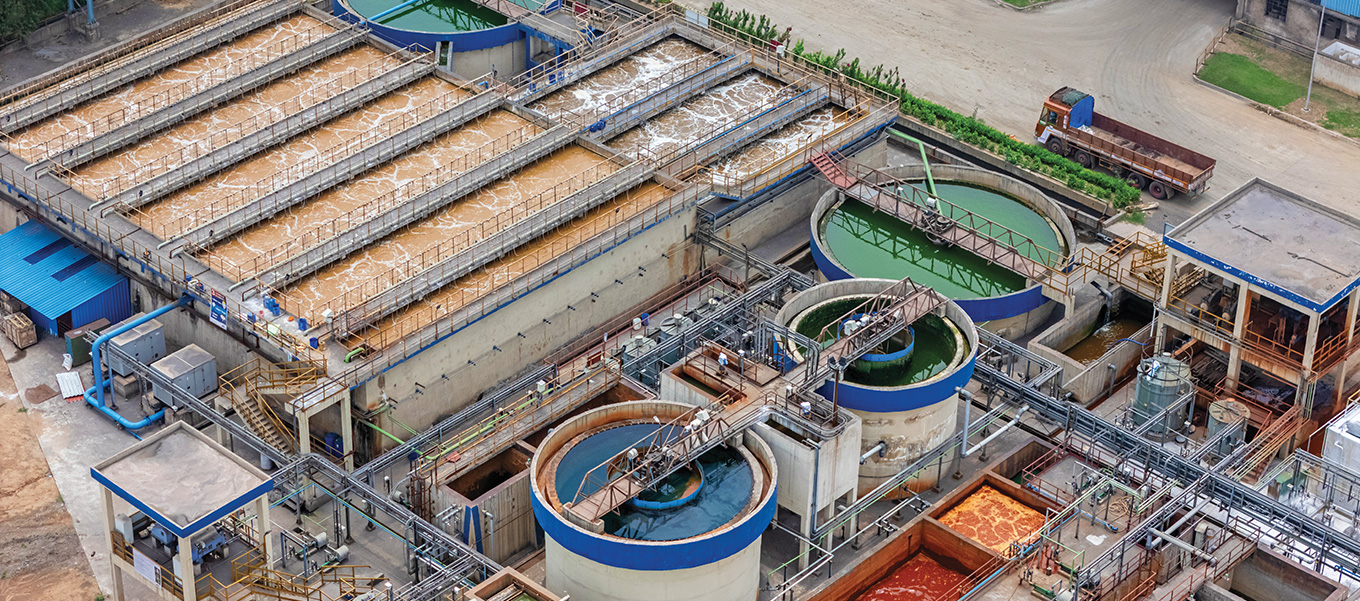
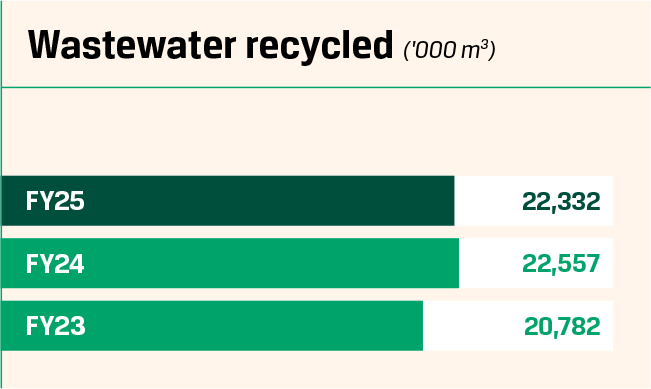
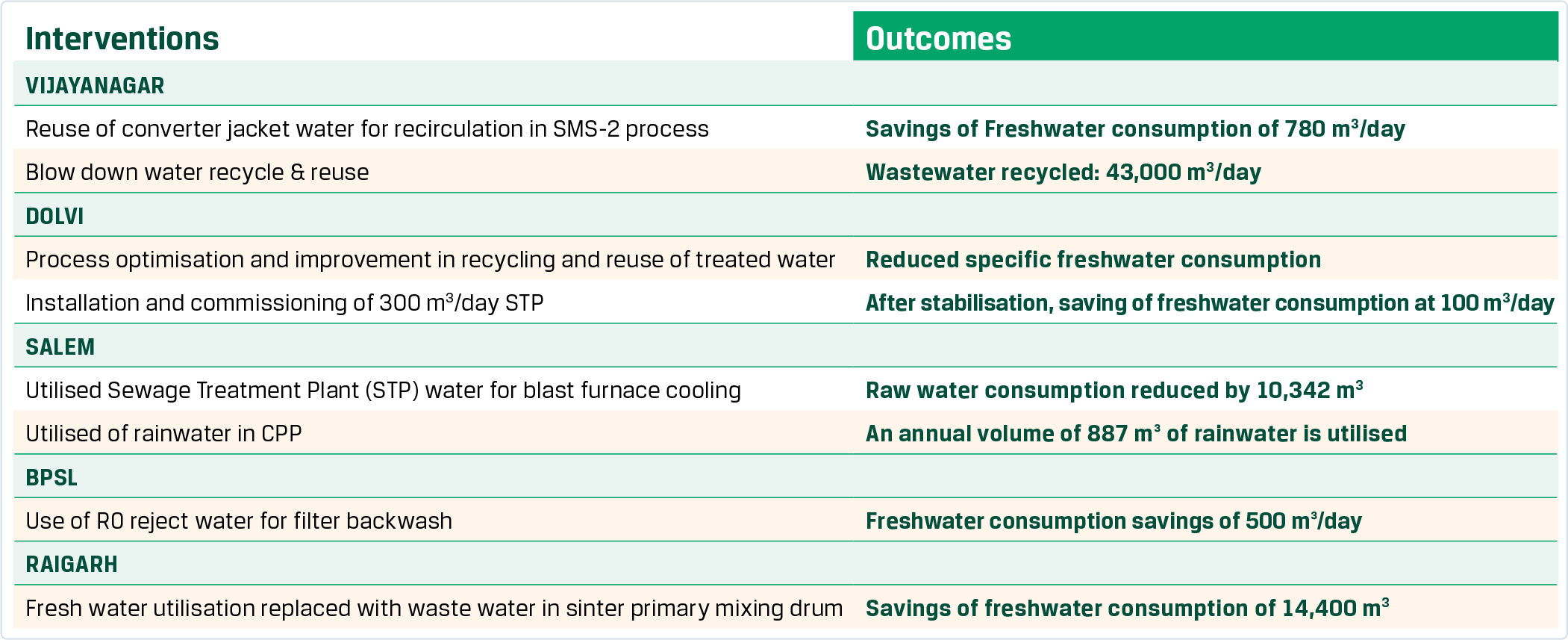
Our sustainability strategy endeavours to transform us into a water-sustainable business. We recognise the profound impact of the vast volumes of water consumed in our processes. Thus, we are actively working to lower wastewater generation, enhance wastewater treatment practices, and expand wastewater recycling across all our plants. We have fortified our wastewater treatment system by incorporating superior methodologies, striving to entirely eliminate wastewater discharge to external bodies of water, and improving water circularity. These systems help improve the wastewater quality. Additionally, to empower our workforce, we provide comprehensive training programs focused on water efficiency management.
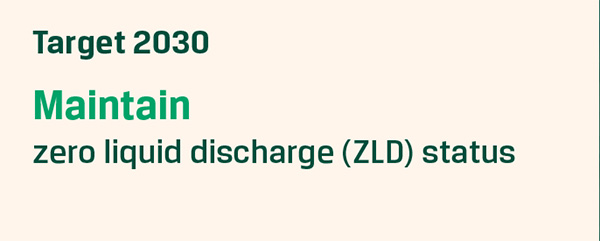
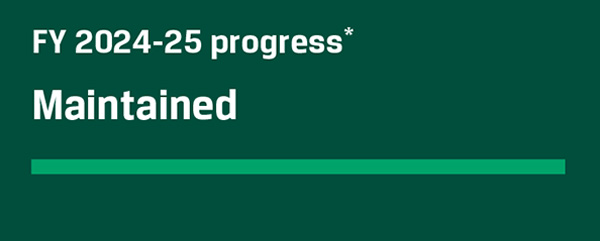
The installation of Zero Liquid Discharge (ZLD) systems across our major plants remains our foremost priority. This ambitious goal pursues two main objectives: first, to ensure that none of the wastewater generated by our operations is discharged into the natural environment; and second, to guarantee that all such wastewater is treated, reused and recycled. Our ZLD systems leverage cutting-edge membrane filtration technology, including reverse osmosis (RO) and ultrafiltration, to treat wastewater and render it suitable for reuse in various production applications like cooling, washing and steam generation.
Prudent water stewardship
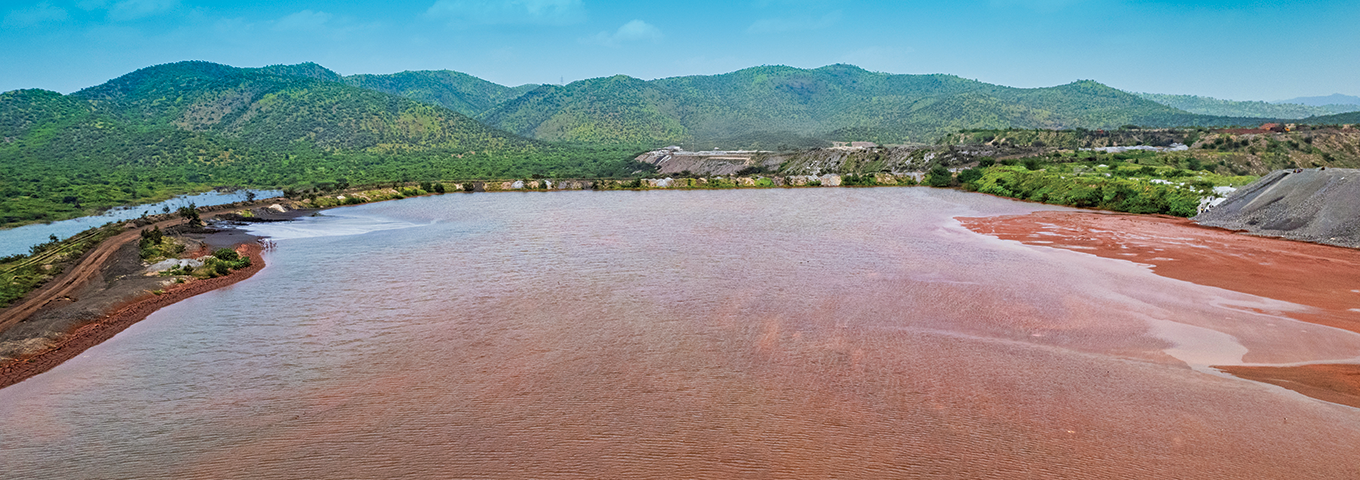
This past year, Salem Works launched its first-ever rainwater harvesting initiative. This intervention not only marks a pivotal step toward sustainable water management but also foregrounds JSW Steel's unwavering commitment to reducing our operations' dependence on conventional freshwater sources.
Four rainwater harvesting ponds, strategically located within and beyond the plant's premises, now collect and store rainfall, offering a combined storage capacity of 146,000 m³. To further enhance rainwater capture, Salem Works also invested nearly `4.5 crore in upgrading its stormwater drainage infrastructure.
The rainwater collected in these within the plant ponds and drains is subsequently routed to key operational units, such as the Coke Oven Plant (COP) and Captive Power Plant (CPP), for use in cooling applications. By means of this initiative, Salem Works' annual freshwater withdrawal from the Cauvery River, located approximately 16 km from the site, has plummeted by 59,500 m³ per annum. Additionally, this intervention has helped abate GHG emissions associated with the transport and treatment of freshwater extracted from the Cauvery River, resulting in an annual reduction of 100,000 kg of CO2.
All in all, the successful implementation of rainwater harvesting at Salem Works spotlights how the facility is leveraging best-in-class technologies and infrastructure upgrades to expand its use of alternative water sources, reduce dependence on freshwater sources, and set a new benchmark for SDG-aligned, responsible water stewardship within the steel industry.
146,000 m3
Rainwater collection pond and harvesting capacity
