Uplifting indigenous communities
We value the unique cultural heritage,
traditional knowledge and rights of
Indigenous People living in and around
our areas of operation. Recognising
that these communities rely on land,
forests and natural resources for their
livelihood, cultural identity and spiritual
practices, we are committed to ensuring
their rights and promoting inclusive,
equitable development.
In line with international standards,
including the UN Declaration on the
Rights of Indigenous Peoples and
IFC Performance Standards, we have
established a robust policy framework.
This framework emphasises Free,
Prior and Informed Consent (FPIC), early engagement, culturally sensitive
benefit-sharing and the safeguarding
of Indigenous heritage. We conduct
thorough baseline assessments
and participatory consultations with
Indigenous communities before
any project begins, ensuring social
and environmental impacts are
fully understood.
Mitigation plans are designed to
livelihood restoration and access to
essential services such as healthcare,
education and clean water. By integrating
traditional ecological knowledge into
biodiversity strategies and avoiding
disruption of culturally significant
sites, we demonstrate our respect for Indigenous Peoples’ heritage and
practices. Dedicated community
liaison teams, which include members
from Indigenous communities, ensure
transparent communication and
accessible grievance redressal. Regular
evaluations for Indigenous engagement
are carried out to reinforce accountability.
Through this inclusive approach, we
seek to build enduring trust, support
sustainable development and uphold the
dignity and rights of indigenous people
across our operational landscape.
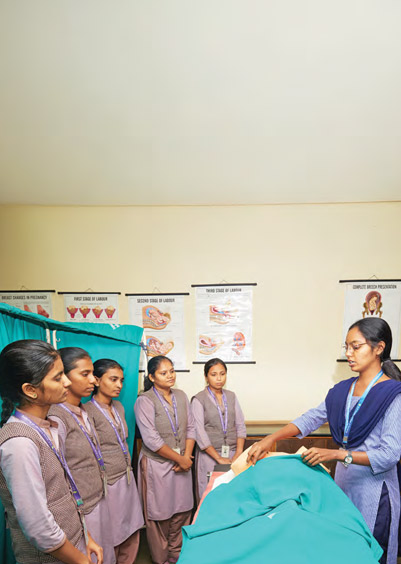
Empowering Indigenous
communities at Palghar
The JSW Foundation has adopted a comprehensive strategy to uplift
Indigenous
communities in and around Maharashtra’s Palghar district, focusing on
education, healthcare, infrastructure and early childhood development. Through
the ASPIRE Adolescent Education Programme, in partnership with the Magic
Bus India Foundation, 1,329 students across 13 schools in Jawhar Taluka are
receiving life skills, academic support and work-readiness training. This is further
supported by 12 Community Learning Centres and a sub-CLC offering literacy and
numeracy enhancement.
Healthcare access has been significantly improved through
collaboration with
Bhaktivedanta Hospital & Research Institute, facilitating over 5,000 camps and
85,640 cataract surgeries. This addresses critical challenges such as preventable
blindness, malnutrition and non-communicable diseases. To support early
education, ZP schools and Anganwadi centres have seen essential roof repairs,
creating safe, weather-resistant learning environments. Furthermore, 91 Anganwadi
centres were revitalised with culturally resonant painting and teaching materials,
creating engaging and inclusive spaces.
1,329
Students in Jawhar are receiving life skills
85,640
Cataract surgeries facilitated
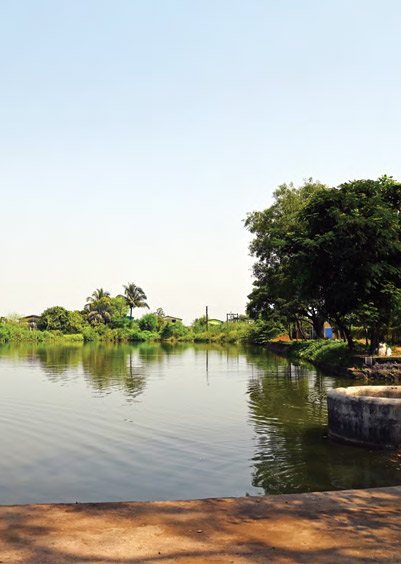
Ensuring clean
water access in Barbil
In Barbil, Odisha, an area rich in minerals but long plagued by
unsafe water sources,
communities once depended on open streams, wells and far-flung hand pumps,
posing significant health risks and daily burdens for women. With mining operations
commencing in FY 2019-20, a thorough needs assessment highlighted drinking
water access as a pressing concern. Initial deployment of 12 water tankers offered
short-term relief, but a lasting solution was needed.
Engaging communities in participatory planning, we implemented a
phased
approach: solar-powered borewells with overhead tanks and tap connections
tailored to local conditions. Powered by 2.5 kW solar units, these systems ensure
steady supply even during cloudy spells. Over three years, 45 borewells were
installed in 32 villages, directly benefitting 8,149 people and reducing reliance on
tankers. Beyond safe drinking water close to home, the project has cut electricity
costs and championed renewable energy, marking a transformative step in
improving rural livelihoods and resilience.
8,000+
People benefitted over the last 3 years

Uplifting indigenous communities
We value the unique cultural heritage, traditional knowledge and rights of Indigenous People living in and around our areas of operation. Recognising that these communities rely on land, forests and natural resources for their livelihood, cultural identity and spiritual practices, we are committed to ensuring their rights and promoting inclusive, equitable development.
In line with international standards, including the UN Declaration on the Rights of Indigenous Peoples and IFC Performance Standards, we have established a robust policy framework. This framework emphasises Free, Prior and Informed Consent (FPIC), early engagement, culturally sensitive benefit-sharing and the safeguarding of Indigenous heritage. We conduct thorough baseline assessments and participatory consultations with Indigenous communities before any project begins, ensuring social and environmental impacts are fully understood.
Mitigation plans are designed to livelihood restoration and access to essential services such as healthcare, education and clean water. By integrating traditional ecological knowledge into biodiversity strategies and avoiding disruption of culturally significant sites, we demonstrate our respect for Indigenous Peoples’ heritage and practices. Dedicated community liaison teams, which include members from Indigenous communities, ensure transparent communication and accessible grievance redressal. Regular evaluations for Indigenous engagement are carried out to reinforce accountability. Through this inclusive approach, we seek to build enduring trust, support sustainable development and uphold the dignity and rights of indigenous people across our operational landscape.
Empowering Indigenous communities at Palghar
The JSW Foundation has adopted a comprehensive strategy to uplift Indigenous communities in and around Maharashtra’s Palghar district, focusing on education, healthcare, infrastructure and early childhood development. Through the ASPIRE Adolescent Education Programme, in partnership with the Magic Bus India Foundation, 1,329 students across 13 schools in Jawhar Taluka are receiving life skills, academic support and work-readiness training. This is further supported by 12 Community Learning Centres and a sub-CLC offering literacy and numeracy enhancement.
Healthcare access has been significantly improved through collaboration with Bhaktivedanta Hospital & Research Institute, facilitating over 5,000 camps and 85,640 cataract surgeries. This addresses critical challenges such as preventable blindness, malnutrition and non-communicable diseases. To support early education, ZP schools and Anganwadi centres have seen essential roof repairs, creating safe, weather-resistant learning environments. Furthermore, 91 Anganwadi centres were revitalised with culturally resonant painting and teaching materials, creating engaging and inclusive spaces.
1,329
Students in Jawhar are receiving life skills
85,640
Cataract surgeries facilitated
Ensuring clean water access in Barbil
In Barbil, Odisha, an area rich in minerals but long plagued by unsafe water sources, communities once depended on open streams, wells and far-flung hand pumps, posing significant health risks and daily burdens for women. With mining operations commencing in FY 2019-20, a thorough needs assessment highlighted drinking water access as a pressing concern. Initial deployment of 12 water tankers offered short-term relief, but a lasting solution was needed.
Engaging communities in participatory planning, we implemented a phased approach: solar-powered borewells with overhead tanks and tap connections tailored to local conditions. Powered by 2.5 kW solar units, these systems ensure steady supply even during cloudy spells. Over three years, 45 borewells were installed in 32 villages, directly benefitting 8,149 people and reducing reliance on tankers. Beyond safe drinking water close to home, the project has cut electricity costs and championed renewable energy, marking a transformative step in improving rural livelihoods and resilience.
8,000+
People benefitted over the last 3 years