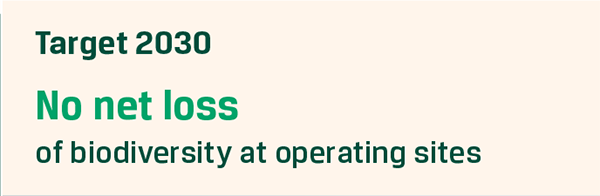
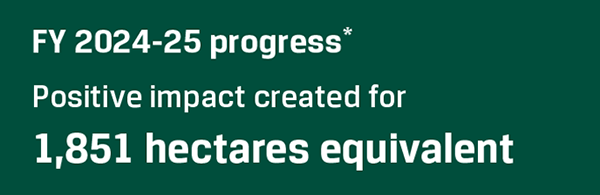
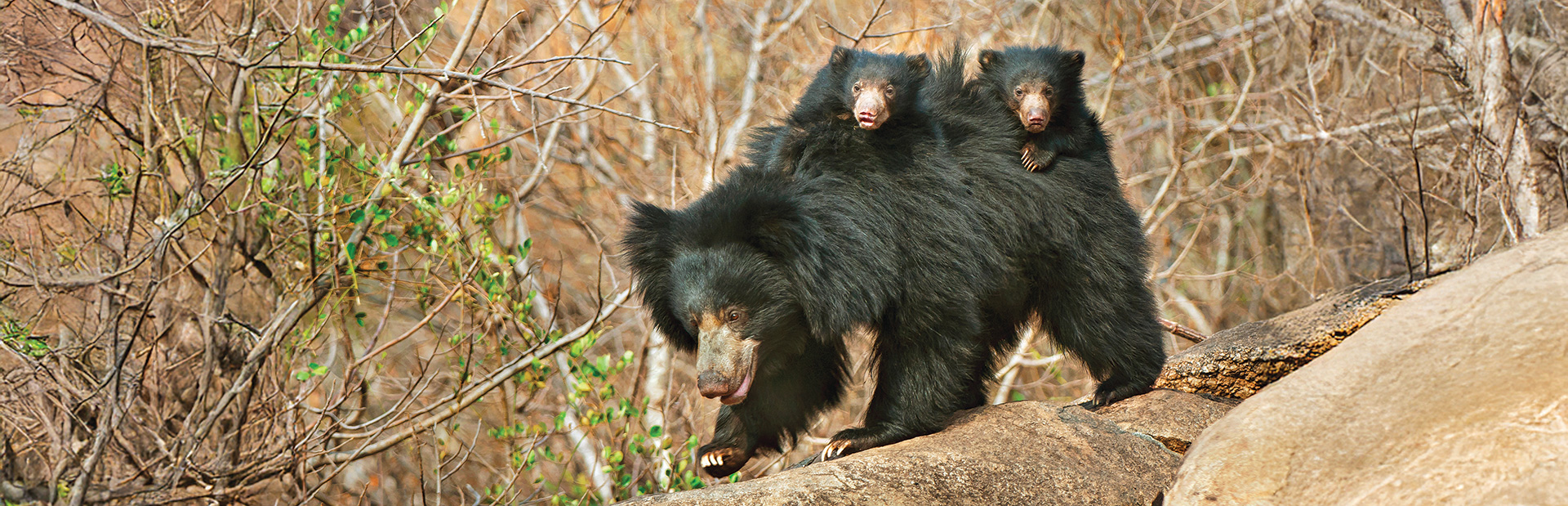
At JSW Steel, we believe biodiversity is fundamental to both the resilience of our operations and the well-being of the communities we serve. Consequently, we are intensifying our efforts to preserve the diverse natural ecosystems and species—be it aquatic, terrestrial, or arboreal—found within and around our areas of operation.
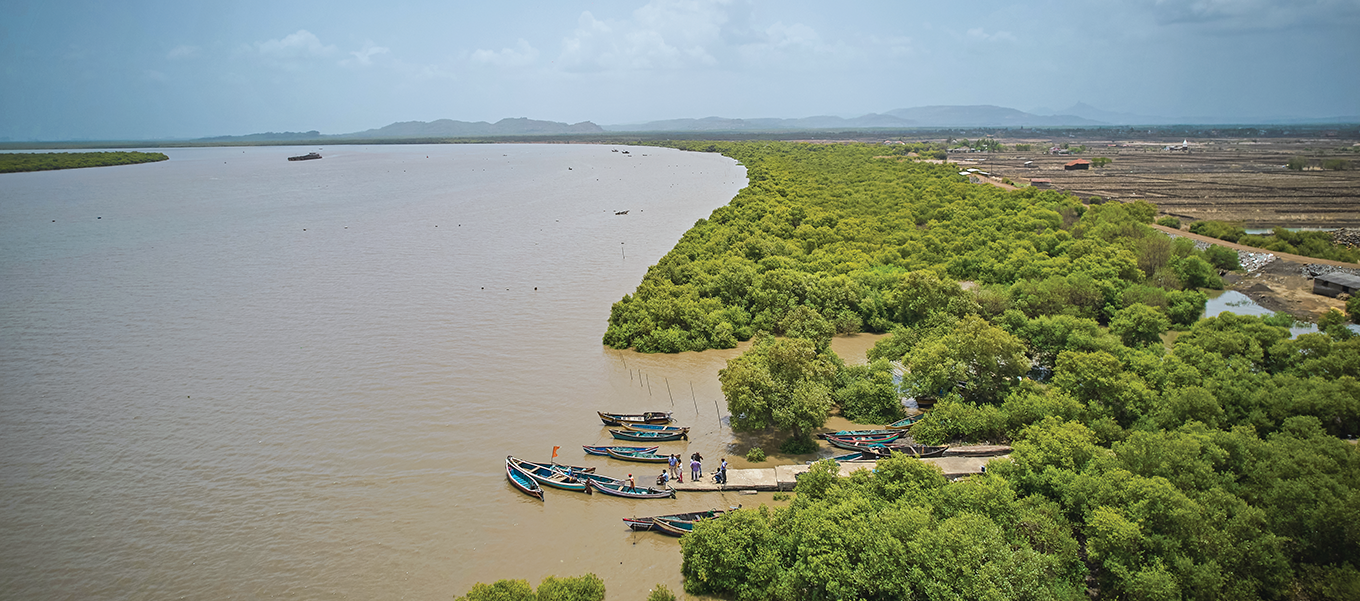
Over the course of this year, we amplified our biodiversity conservation efforts through targeted plantation drives, safeguarding ecologically sensitive areas that support keystone species and critical habitats, and restoring degraded land parcels. These activities were guided by detailed site-specific assessments. These assessments deepened our understanding of local biodiversity issues and correspondingly enabled us to design tailored interventions that directly addressed the identified pain points. At numerous sites, mangrove restoration and extended coastal green belts proved key to maintaining natural buffers, enhancing soil stability, and strengthening the resilience of local ecosystems.
In conformance with national biodiversity frameworks and global targets, we refined our site-level Biodiversity Action Plans to focus on measurable outcomes and risk avoidance. Extensive research was carried out to evaluate biodiversity baselines, determine crucial ecological indicators and craft interventions that support our NNL pledge. In some areas, nature-based solutions, such as native species reforestation, eco-restoration of wetlands, and green buffers around operational sites, yielded tangible benefits and visibly improved the health of indigenous habitats.
Community engagement remained at the very nucleus of our biodiversity initiatives. We proactively collaborated with local communities, schools, and environmental NGOs to raise awareness about the importance of human-nature co-existence and promote the long-term stewardship of restored habitats. Training schemes and volunteer plantation drives helped instil conservation values within the cultural fabric of local communities, consequently allowing the benefits of biodiversity conservation to extend beyond our operational boundaries.
Our conservation and restoration efforts delivered tangible outcomes, notably facilitating the reclamation of degraded lands for vegetation and driving improvements across a range of sitespecific biodiversity indicators. These activities enhance climate resilience, support the proliferation of pollinators, strengthen groundwater recharge, and establish natural carbon sinks vital for CO2 sequestration.
* Base year considered for reporting the progress for biodiversity is 1994 for Vijayanagar Operation.
Commitment to TNFD
We recognise that the unfettered loss of biodiversity is one of the most urgent issues burdening the planet, as it leads to the loss of multifaceted ecosystem services, such as clean air, water, food security, flood protection, and climate regulation, along with the extinction of species. These ecosystem services are critical for the resilience of nature, the wellbeing of humankind, and the operational capacity of businesses. The steel industry, by its very nature, is highly resource-intensive and subject to natural capital dependencies, rendering it particularly vulnerable to nature-related risks. Therefore, at JSW Steel, we view biodiversity conservation not only as a moral and environmental imperative but also as a strategic business objective. To advance these efforts, in September 2024, we committed to aligning our practices with the recommendations of the Taskforce on Nature-related Financial Disclosures (TNFD).
By adopting the TNFD’s LEAP framework— Locate, Evaluate, Assess, Prepare—we have embedded a rigorous, scienceled approach into our operations to understand our dependencies and impacts on nature, as well as the associated risks and opportunities. This structured methodology has been rolled out across our operations and upstream supply chains, enabling us to design robust, nature-positive business strategies that build resilience and promote environmental stewardship.
Governance
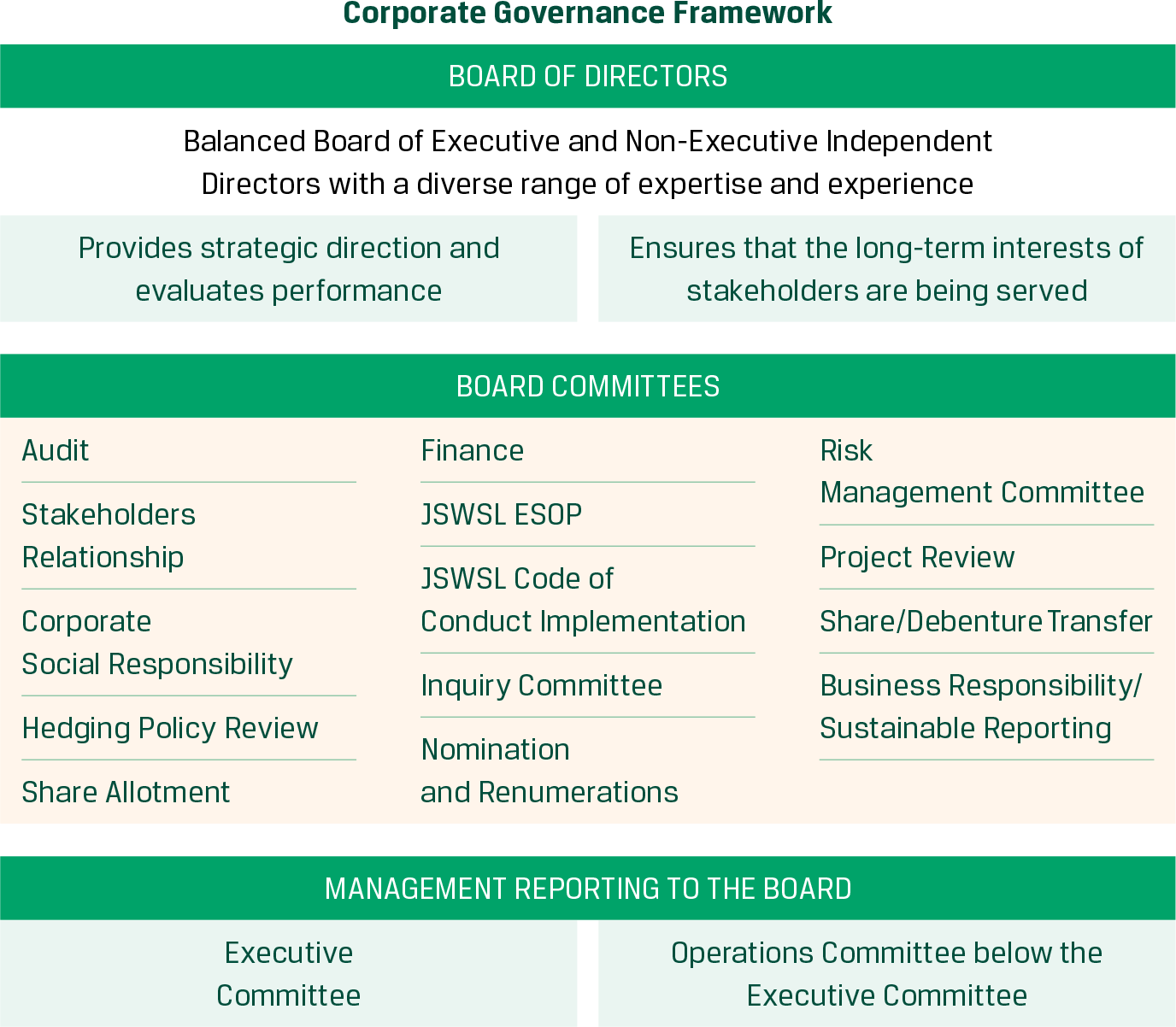
At the Board level, the Business Responsibility/Sustainability Reporting Committee and the Risk Management Committee convene twice a year to review climate-related matters and to ensure a comprehensive understanding and approach to nature-related risks and opportunities. The Committee also plays an active role in reviewing and guiding strategies and initiatives linked to nature and biodiversity.
At the management level, the Executive Committee, supported by the Climate Action Group (CAG) and various corporate functions, oversees the implementation and progress of climate and nature-related initiatives. To support these efforts, we have implemented dedicated Biodiversity and Climate Change policies, which outline our approach to proactively tackle key environmental challenges such as deforestation, habitat loss, over-exploitation of natural resources, the spread of invasive species, pollution and the wider impacts of climate change.
Strategy
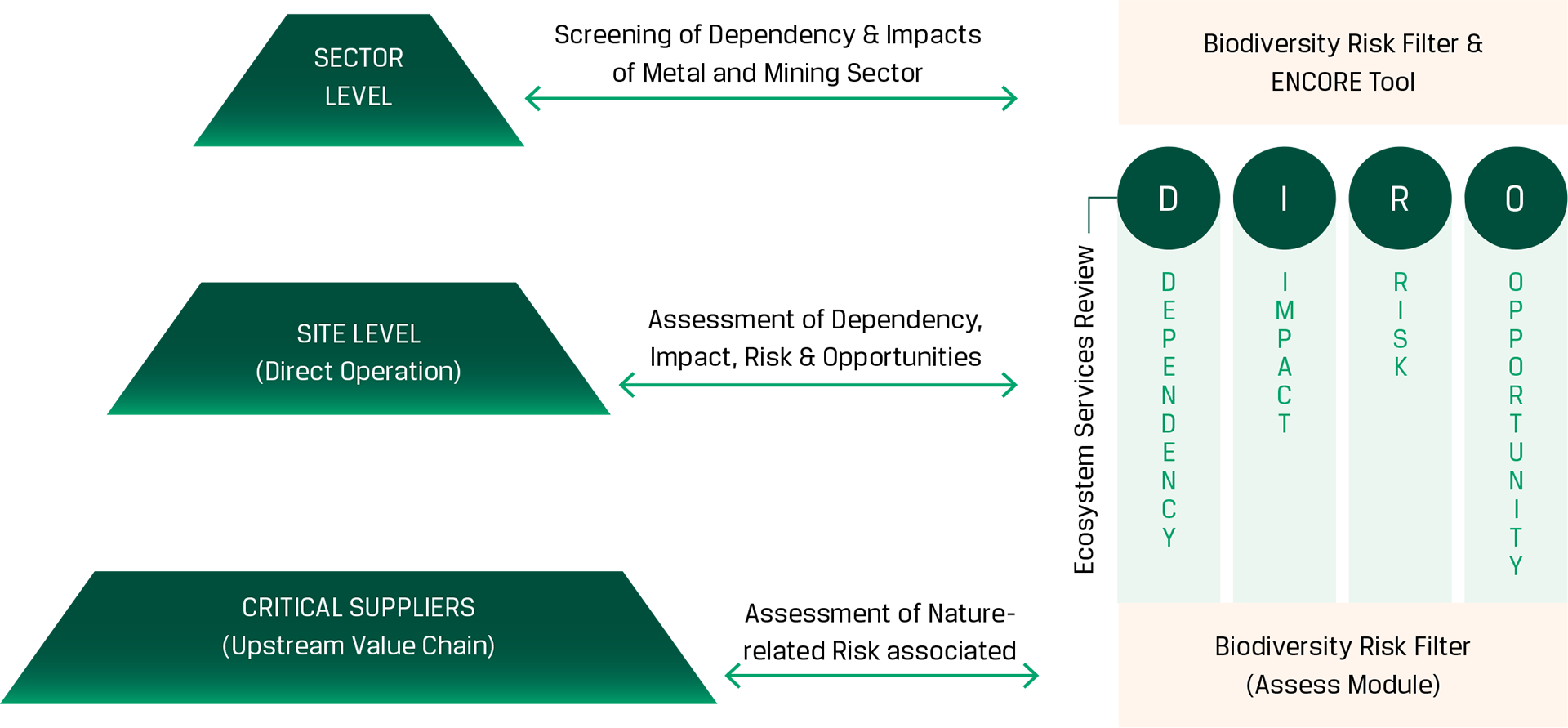
We have adopted the TNFD’s LEAP framework (Locate, Evaluate, Assess, and Prepare) to systematically pinpoint and analyse the nature-related dependencies, impacts, risks and opportunities (DIRO) associated with our business operations. This systematic approach enables us to gain a clear understanding of how our activities depend on and impact crucial ecosystem services and identify potential risks and opportunities. To strengthen this understanding, we have implemented a comprehensive three-tiered approach to fully integrate nature-based considerations into our operational landscape.
JSW Steel's Approach
Physical Risks
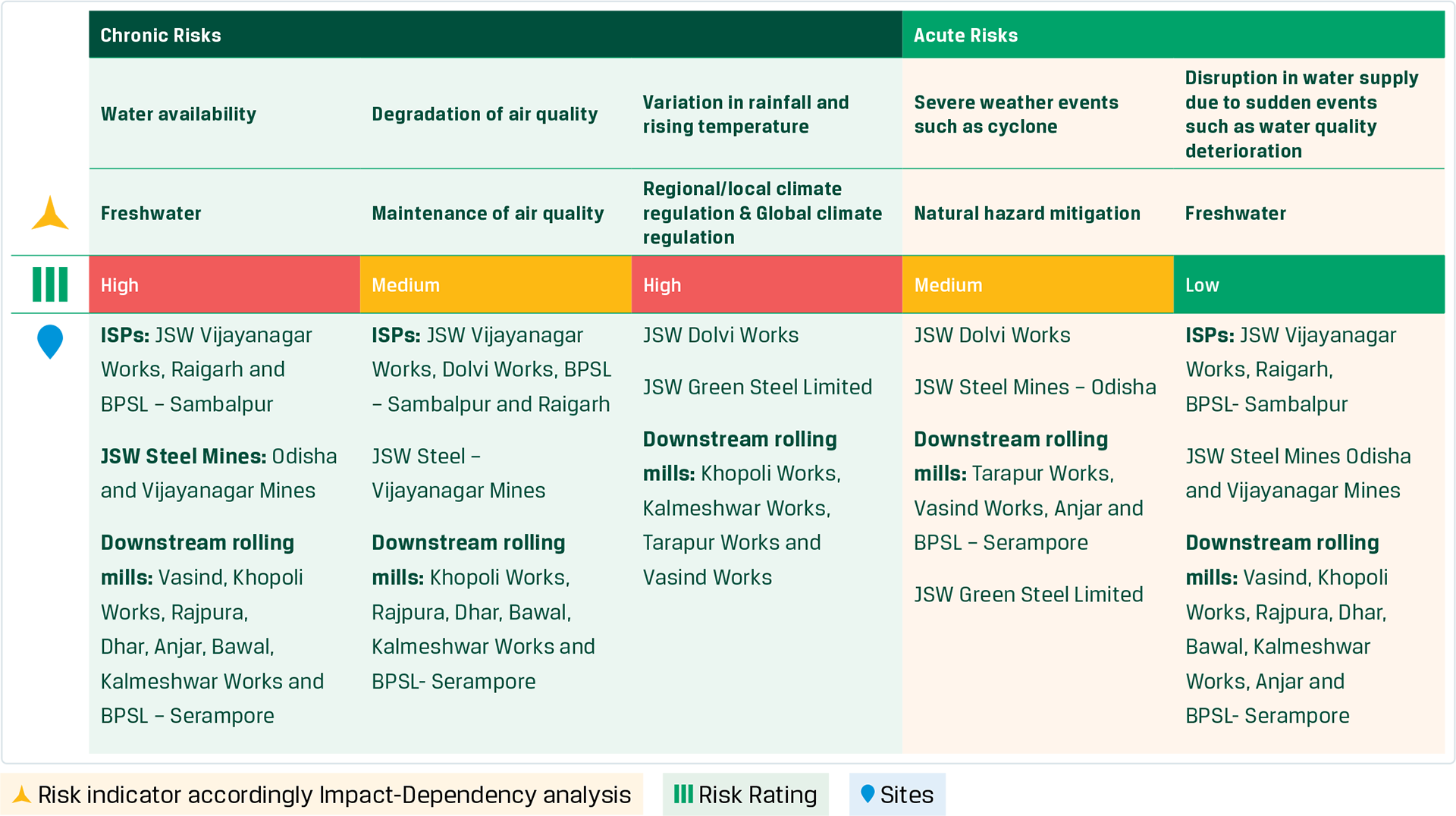
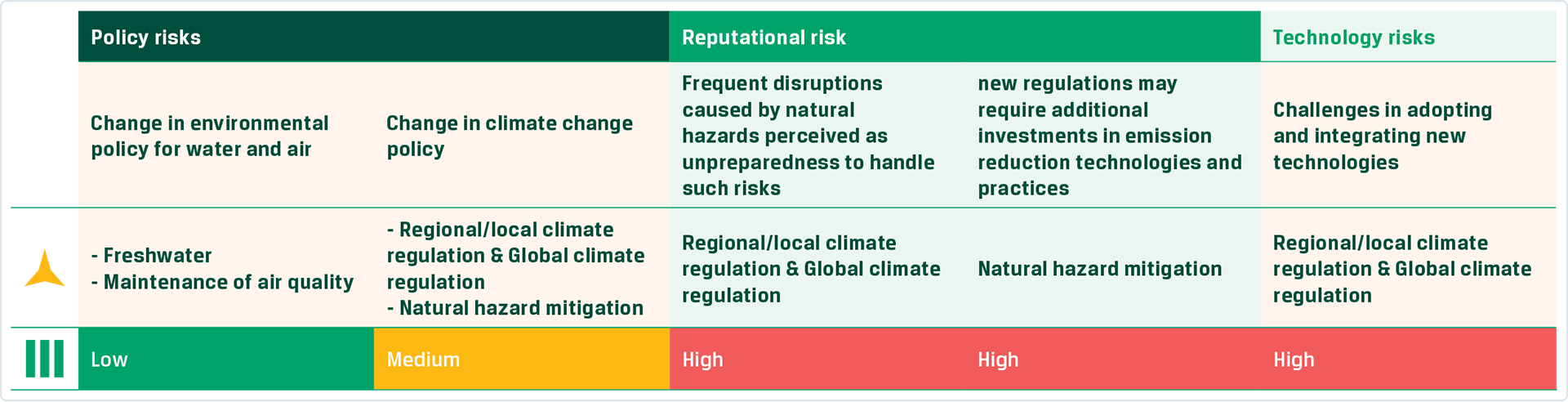
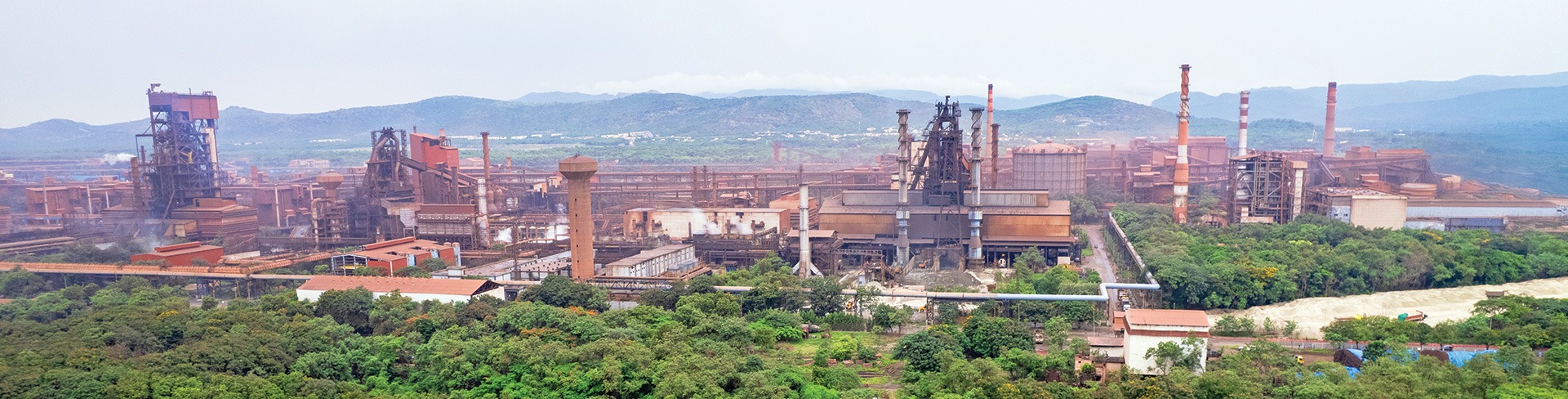
At JSW Steel, we recognise the profound interdependence of our steel operations and biodiversity. While our activities can, on the one hand, contribute to biodiversity degradation, on the other hand, this degradation also poses a direct threat to the continuity of our operations. Consequently, we have evaluated both nature-related physical and transition risks throughout our operations, accounting for the complex interplay of these risks and their potential to impact our operational stability.
Transition Risks
Nature-related
opportunities
 Freshwater
- Watershed stewardship programmes: Collaborate with local communities and NGOs to restore local watersheds, improve recharge and build resilience by achieving water neutrality.
 Local Climate Regulation
- Urban Greening and Cooling Projects: Invest in green corridors and urban forestry in nearby towns to reduce heat island effects.
- Emission offsets via Naturebased Solutions (NbS): Offset residual emissions by supporting conservation or restoration of local ecosystems.
- Participation in landscapelevel climate initiatives: Join public-private partnerships for reforestation and soil carbon sequestration.
Maintenance of air quality
- Adoption of cleaner technologies: Invest in clean energy and develop low emission steel products.
- Green Belt Development: Plantation around factory premises to act as bio-filters for air pollutants and also sequester carbon dioxide.
Natural Hazard Mitigation
- Ecosystem-based Adaptation (EbA): Restore nearby mangroves, forests, or grasslands to buffer against floods, storms, and landslides.
Erosion Control
- Revegetation and afforestation: Initiate revegetation projects using native plant species to stabilise soil and reduce erosion on-site and in surrounding areas.
Ethical and Spiritual Values
- Habitat restoration: Engage in habitat restoration projects that not only benefit biodiversity but also provide spaces for spiritual and ethical reflection.

Supplier risk evaluation
Recognising the profound influence of our upstream operations on our overall nature footprint, we carried out an extensive risk assessment covering 81 key suppliers. Employing WWF’s Biodiversity Risk Filter tool, we evaluated each supplier by examining their geographical location, the strategic importance of their business activities, and the nature of their industry sectors. This thorough analysis enables us to better understand potential risks and identify opportunities to enhance sustainability performance across our supply chain.
Key physical risk insights
Our risk assessment revealed that water availability poses a ‘very high’ risk for 20 suppliers and a ‘high’ risk for 58, while wildfire hazards threaten 44 suppliers with a ‘high’ risk and 23 with a ‘medium’ risk. Changes in land, freshwater, and sea use present ‘very high’ risks for 25 suppliers, highlighting significant biodiversity vulnerabilities. Furthermore, pollution emerges as a critical issue, with 55 supplier regions grappling with ‘very high’ levels of environmental stress.
Key reputational risk insights
Our analysis revealed that 37 suppliers are at ‘very high’ risk of intense media scrutiny, while 36 operate within zones sensitive to indigenous and local community rights. Additionally, 30 suppliers are located in close proximity to internationally significant sites, demanding thoughtful engagement. Concerningly, 55 suppliers face a ‘medium’ risk linked to labour and human rights, underscoring the need for stronger social performance measures.
Risk management
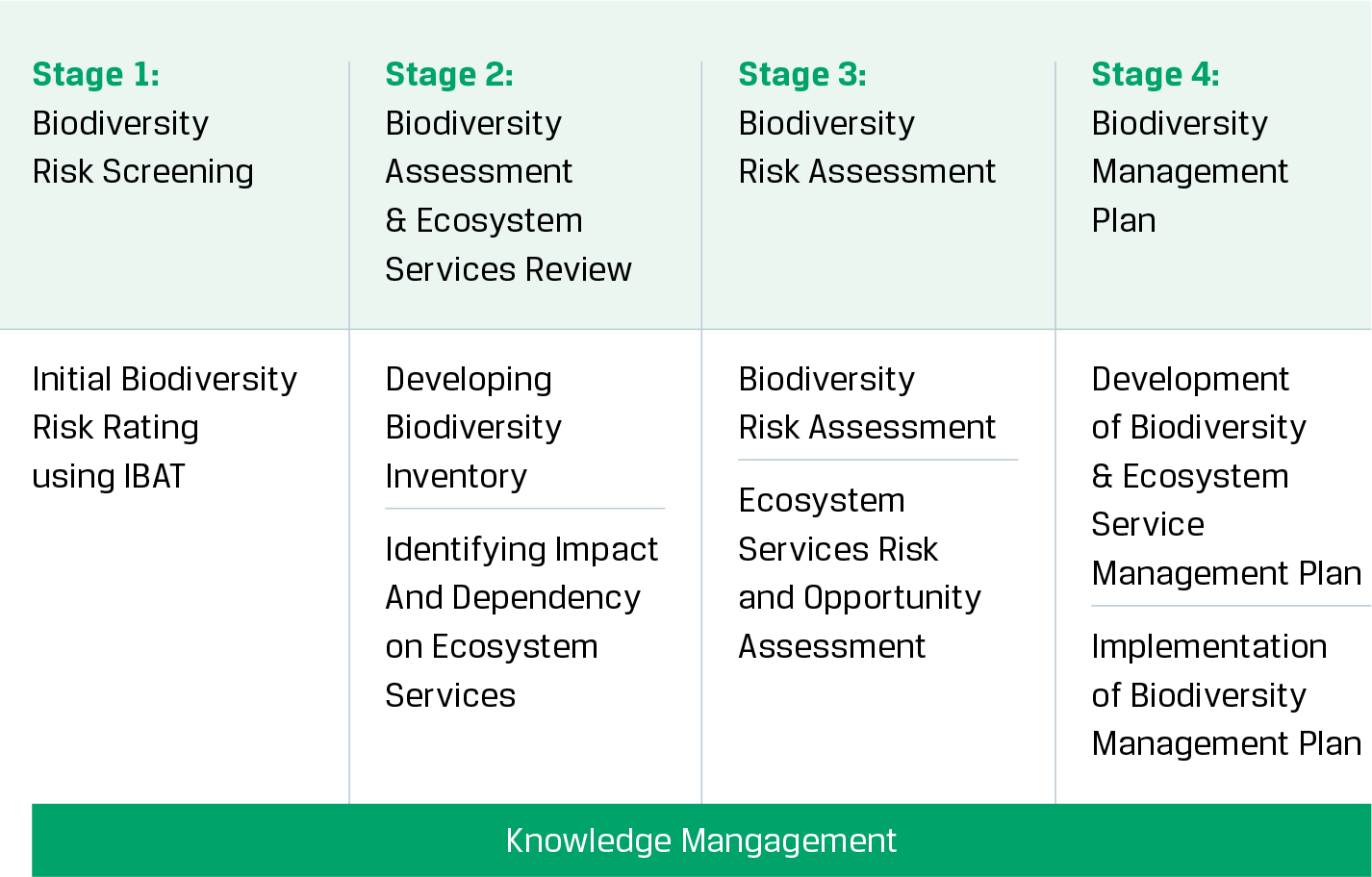
We have established a comprehensive Biodiversity Policy focused on identifying and managing biodiversity risks across our operations. To support this, we are in the process of developing tailored Biodiversity Management Plans for each business unit. Our approach to evaluating biodiversity and ecosystem services follows a systematic, multi-step process, ensuring thorough assessments and effective management, while also aligning with JSW Group’s Technical Standards. Mitigation Plans, along with progress on nature-related risks, are regularly presented to the Executive Committee and Board for review and approval.
Metrics and targets
By tackling critical environmental challenges related to the atmosphere, freshwater and land, we not only minimise our impact on nature but also play an active role in the enhancement and preservation of the environment. We remain at the forefront of sustainable industrial practices, upholding our role as an environmental steward. We have adopted all relevant TNFD core global disclosure metrics and started reporting against them in this report.
Charting a path to biodiversity stewardship
Our growth trajectory remains firmly tethered to the challenges of resourceintensive steel production, including large-scale land use, raw materials and water extraction, and other activities, all of which can imperil the resilience of local ecosystems if conducted unsustainably. In this context, biodiversity protection has emerged as a critical priority.
Our engagement with GRI 304: Biodiversity 2016 has greatly enhanced our understanding of our operational impacts and proximity to high biodiversity areas, shaping our strategy to reduce risks and bolster ecosystem resilience. A cornerstone of this approach is the site-specific biodiversity No Net Loss assessment at the Vijayanagar complex in Karnataka. By tracking periodic biodiversity gains and losses and applying the double-entry bookkeeping method, we are proactively measuring our ecological footprint.
This comprehensive pilot has already revealed encouraging outcomes: large -scale afforestation has yielded a positive biodiversity footprint over 3,837 hectares, while freshwater ecosystem gains cover 100 hectares. With these learnings, we are refining our KPIs and aligning with GRI 101: Biodiversity 2024 and TNFD frameworks, reinforcing our commitment to sustainable, science-backed biodiversity management.
Read more about our collaboration with GRI and this case study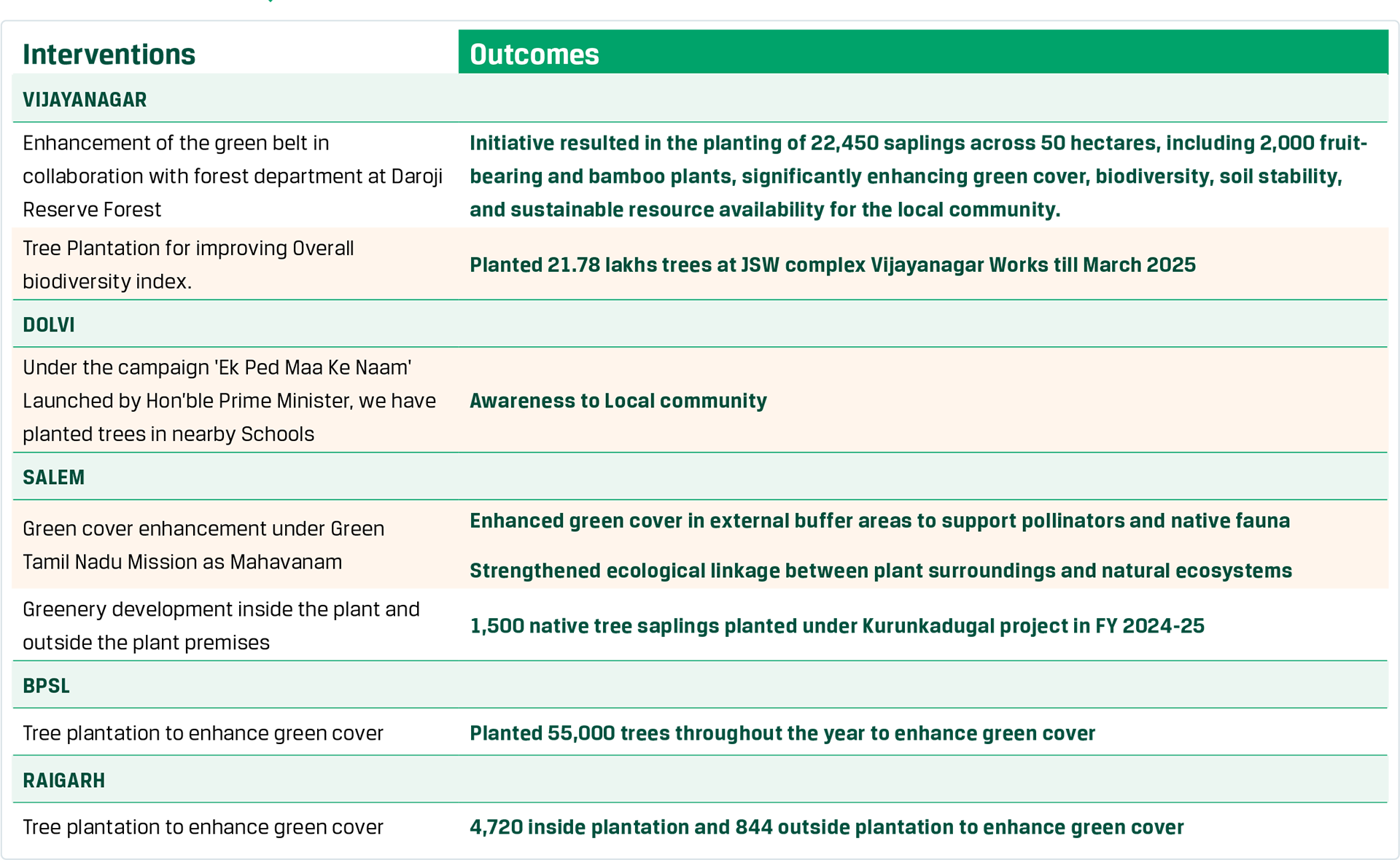
Reviving coastal ecosystems
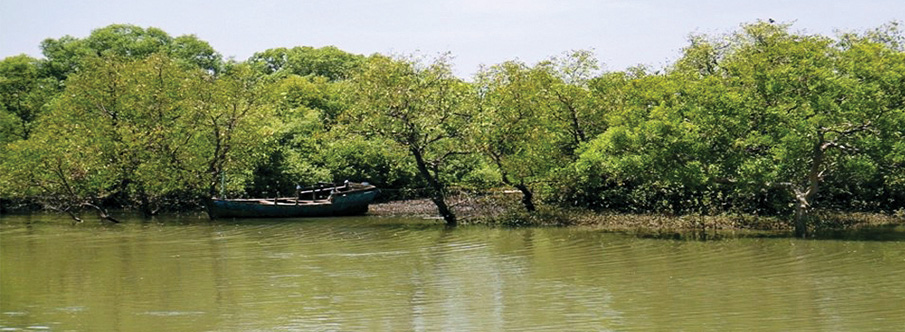
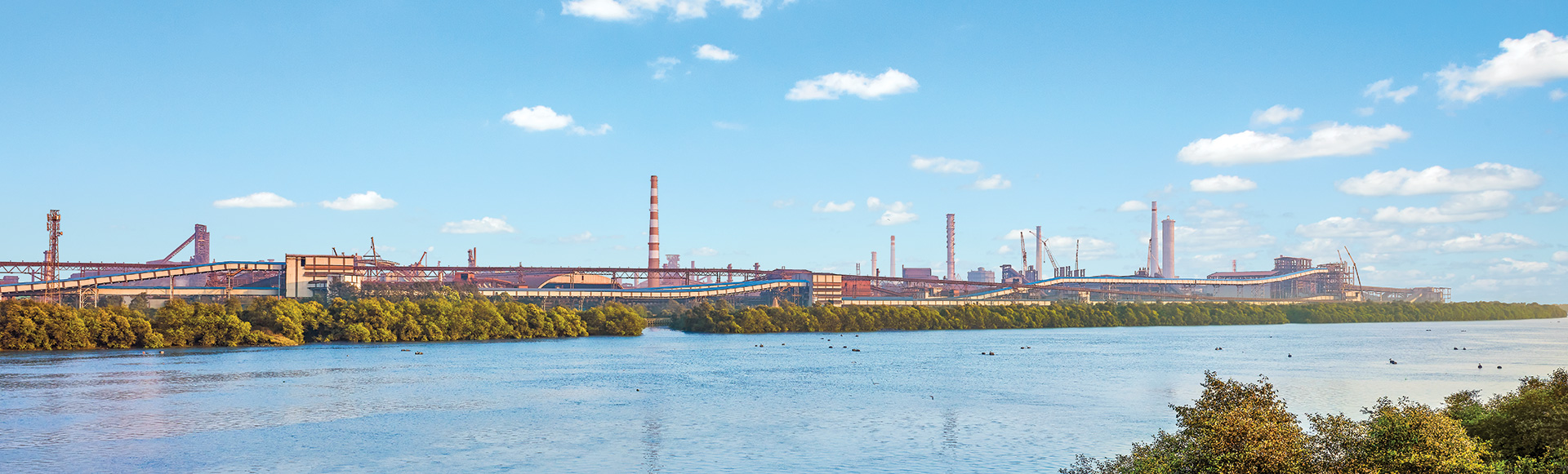
Our phased mangrove plantation, spanning 100 acres nestled near Dolvi's Gram Panchayat, remains committed to fostering environmental conservation and community development. Building on five years of dedicated efforts, this project pursues three principal aims: restoring degraded coastal habitats, raising awareness about the ecological importance of mangroves, and supporting sustainable livelihoods.
In November 2024, the JSW Foundation joined forces with the Mangrove and Marine Biodiversity Conservation Foundation of Maharashtra to afforest 40 hectares of degraded forest land in Alibag, Raigad district. We have provided financial support for this initiative, fully aligned with the Government of Maharashtra’s environmental guidelines. Since then, we have planted 1,25,000 mangroves. The plantation activities, spearheaded by the Mangrove Foundation, commenced in January 2025 and mark a pivotal step in our broader commitment to biodiversity enhancement and climate resilience. By ensuring mangrove regeneration, we champion the restoration of vital coastal ecosystems while empowering local communities.
1,25,000
Mangroves planted
Greening ecosystems
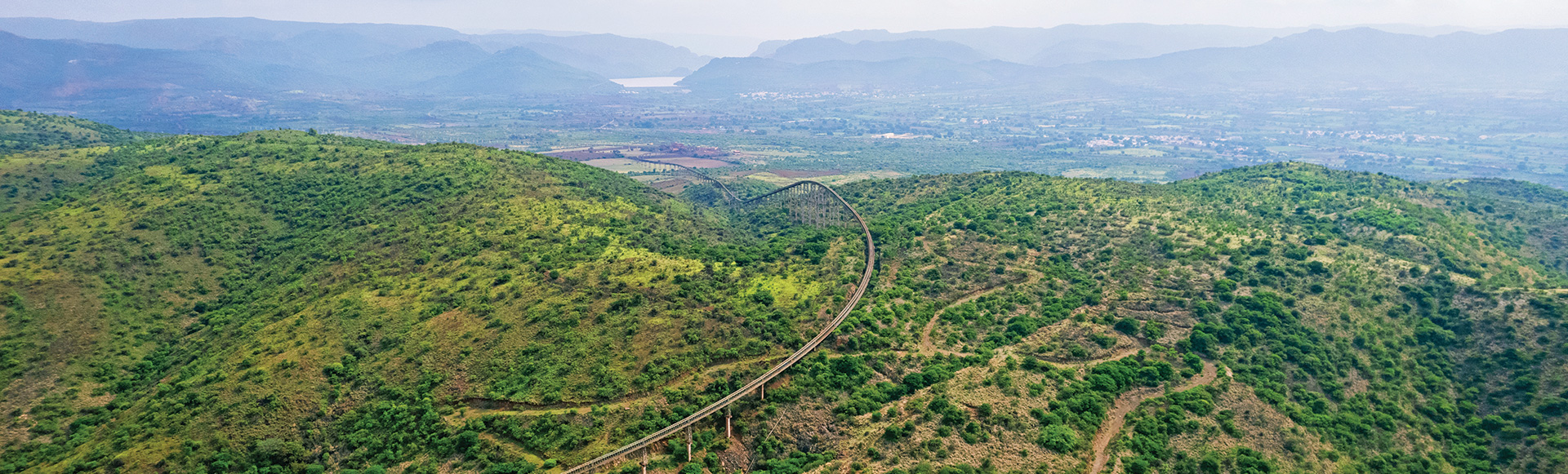
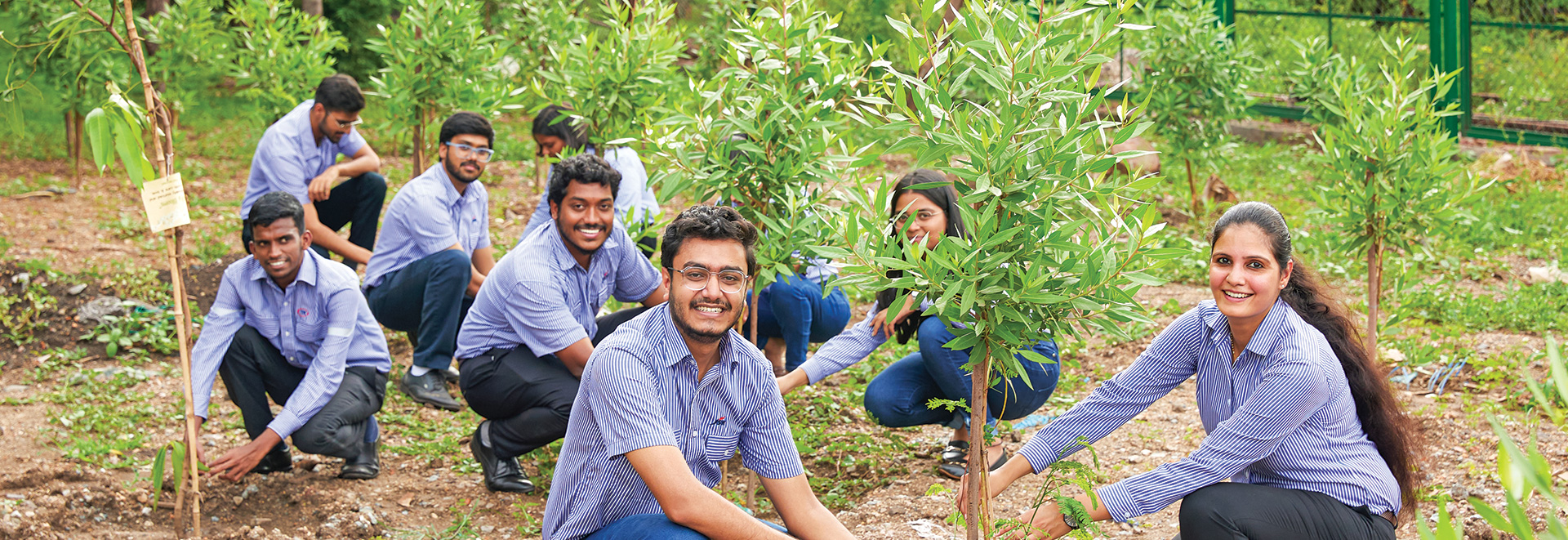
In partnership with the District Forest Department, JSW Foundation led a largescale tree plantation initiative at Kurekuppa’s Daroji Reserve Forest, planting 22,450 saplings across 50 hectares. The project strategically included 2,000 fruit-bearing trees to boost biodiversity and support local livelihoods, alongside bamboo species for soil conservation and habitat restoration. This effort not only strengthens ecological resilience and improves soil fertility but also aids in carbon sequestration by absorbing CO2 . The fruit trees will provide sustainable income opportunities for nearby communities, and the bamboo planted offers versatile applications in construction and crafts.
The programme emphasised strong local engagement and raised environmental awareness through collaboration with local stakeholders. Reinforcing its longterm commitment, JSW Foundation signed an MoU with the Karnataka Forest Department to conserve the Daroji Foreshore and Toranagallu Reserved Forests, critical ecosystems near our operations. This partnership ensures the preservation of 6,227 hectares of greenbelt, aligning with broader goals of biodiversity conservation, climate resilience, and sustainable development. Together, these efforts represent a significant step toward achieving our goal of nurturing thriving ecosystems and empowering local communities.
2.5 million
Saplings planted
3,50,000 tonnes of CO2
Sequestered (estimated)
