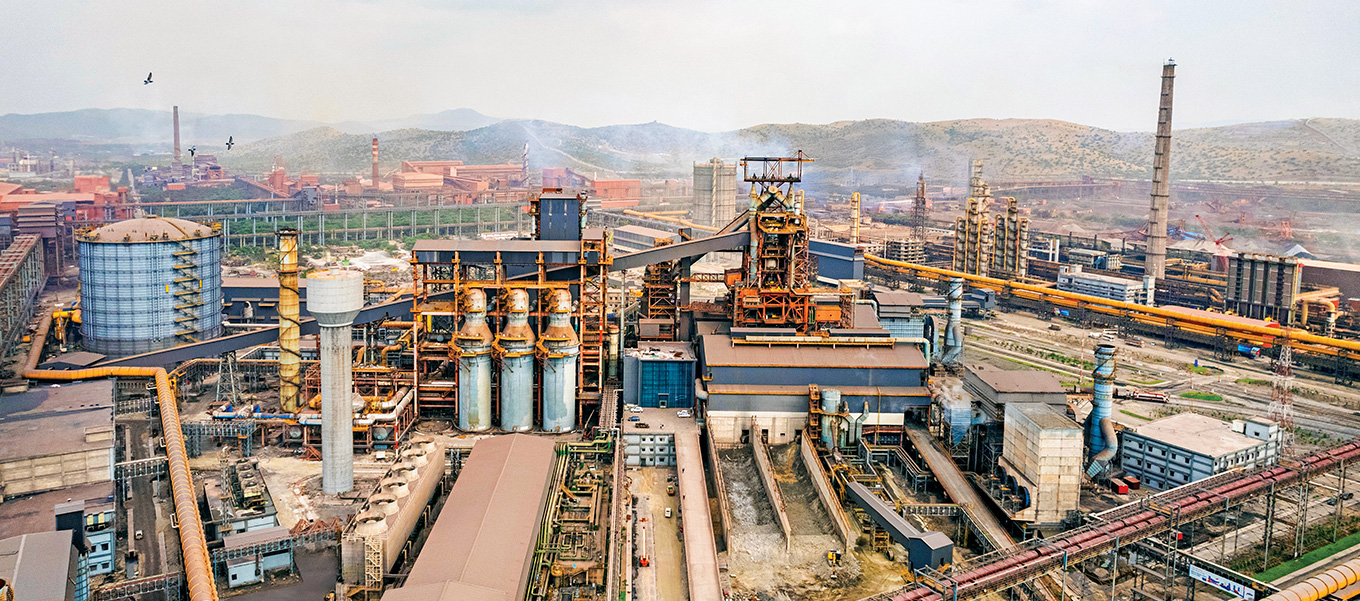

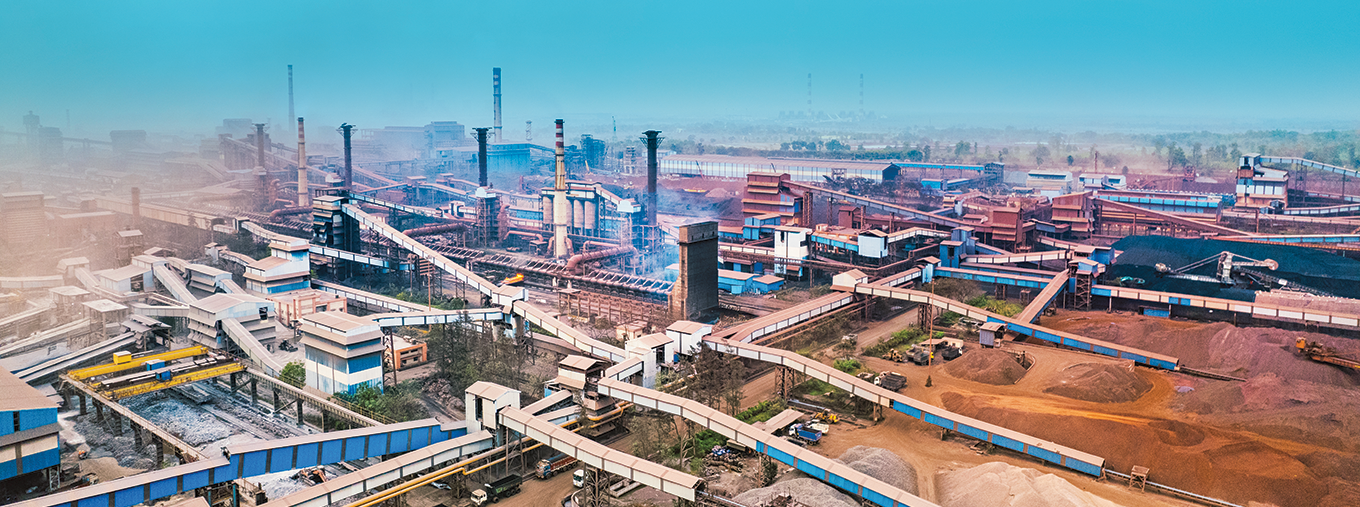
At JSW Steel, we recognise that robust and responsible air quality control is essential for both human and environmental health. During FY2024-25, we implemented several initiatives that have enabled us to make significant strides toward our long-term goal of reducing air emissions from all our operating facilities. Through process-related improvements and consistent investments in cutting-edge technologies, we are steadily advancing our goal of ensuring clean and healthy air in the vicinity of our facilities.
This year, we employed a technology-driven approach to mitigate air emissions, which involved spurring the development and deployment of emission control technologies across our sites. In particular, we implemented highly efficient, state-of-the-art air pollution control equipment and systems that curb emissions from major point sources, specifically in sintering and high-temperature processes. In doing so, we have greatly improved the capture and mitigation of particulate matter and gases prior to their release to the environment and the ambient atmosphere.
We also mobilised digital and optical systems to optimise and enhance our air emissions management. Real-time monitoring systems, data analytics, and AI-driven decision-support systems have played a pivotal role in this regard by driving improvements in process efficacy and facilitating prompt responses to counteract identified deviations. In tandem, the rollout of these digital solutions has allowed us to consistently lower our emission intensity at several locations.
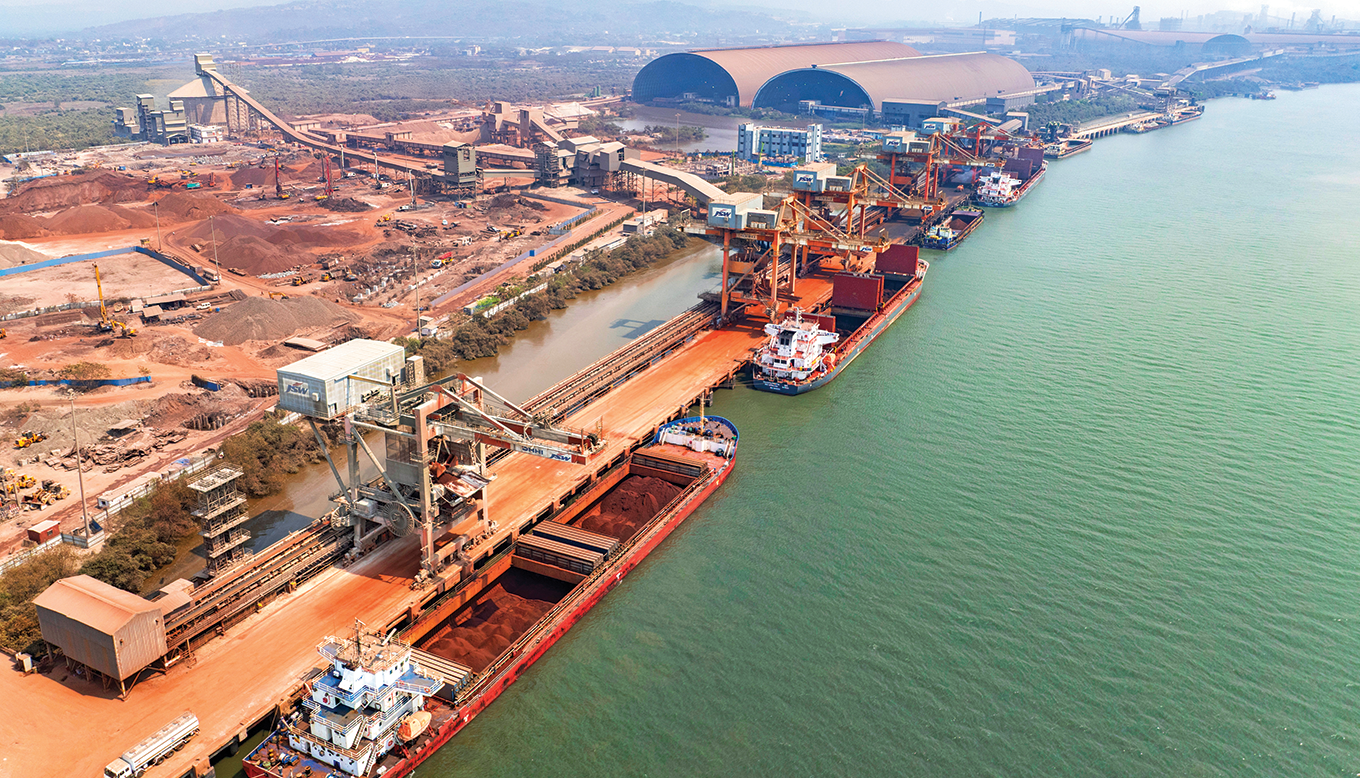
Our strategy targeted at reducing air emissions is integrated; it transcends process spaces and encompasses improved materials handling and logistics. To this end, we increased our covered storage facilities at strategic locations, minimising dust generation in handling raw materials like coal, iron ore and fluxes. These covers, in combination with dust suppression schemes, have contributed significantly towards enhancing ambient air quality within and around our plants.
We recognise that achieving better air quality warrants a sustained effort combining innovation, cooperation, and iterative improvement. Looking forward, we remain committed to our vision of embracing smarter systems, establishing more resilient operations, and helping create a healthier environment for our communities and future generations.
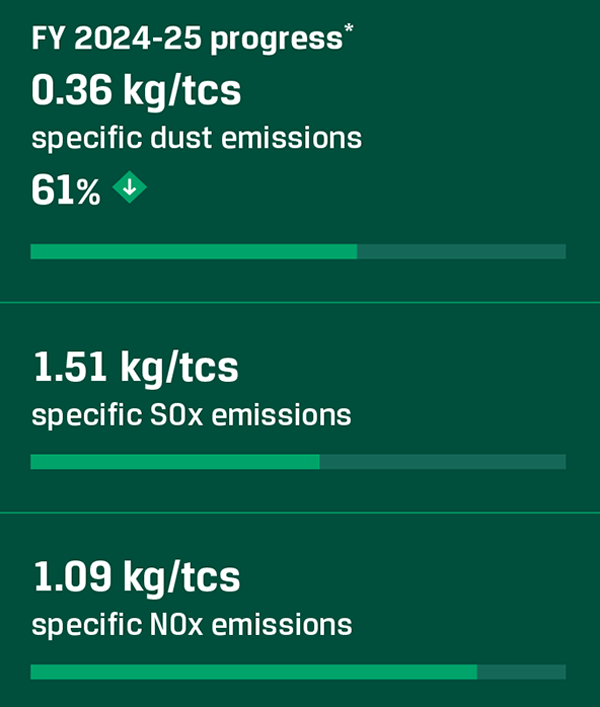
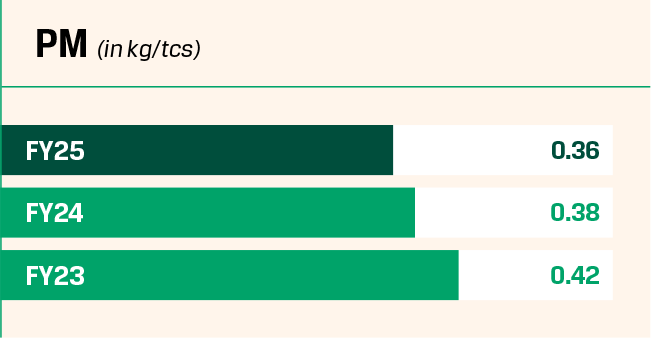
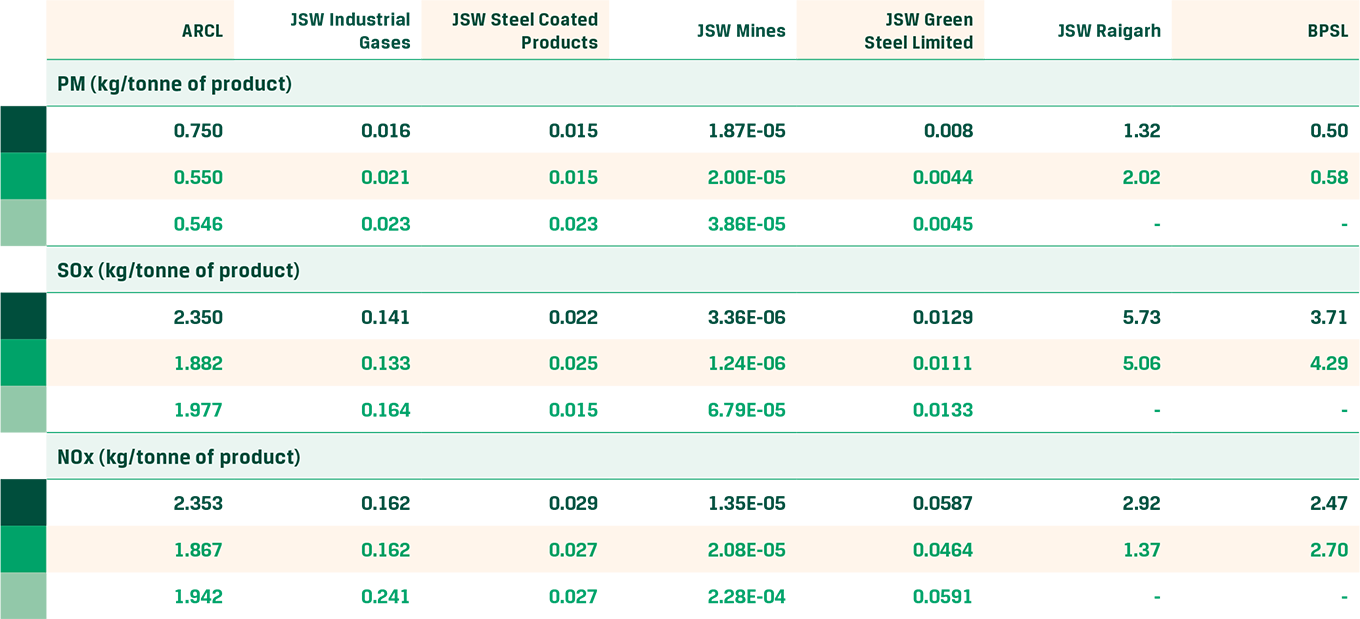
Specific dust emissions
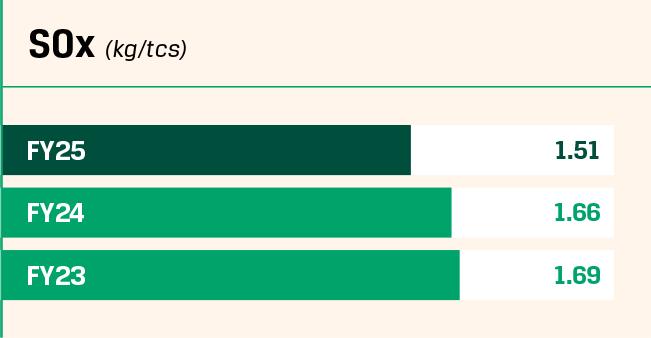

Air emissions

Tackling dust emissions
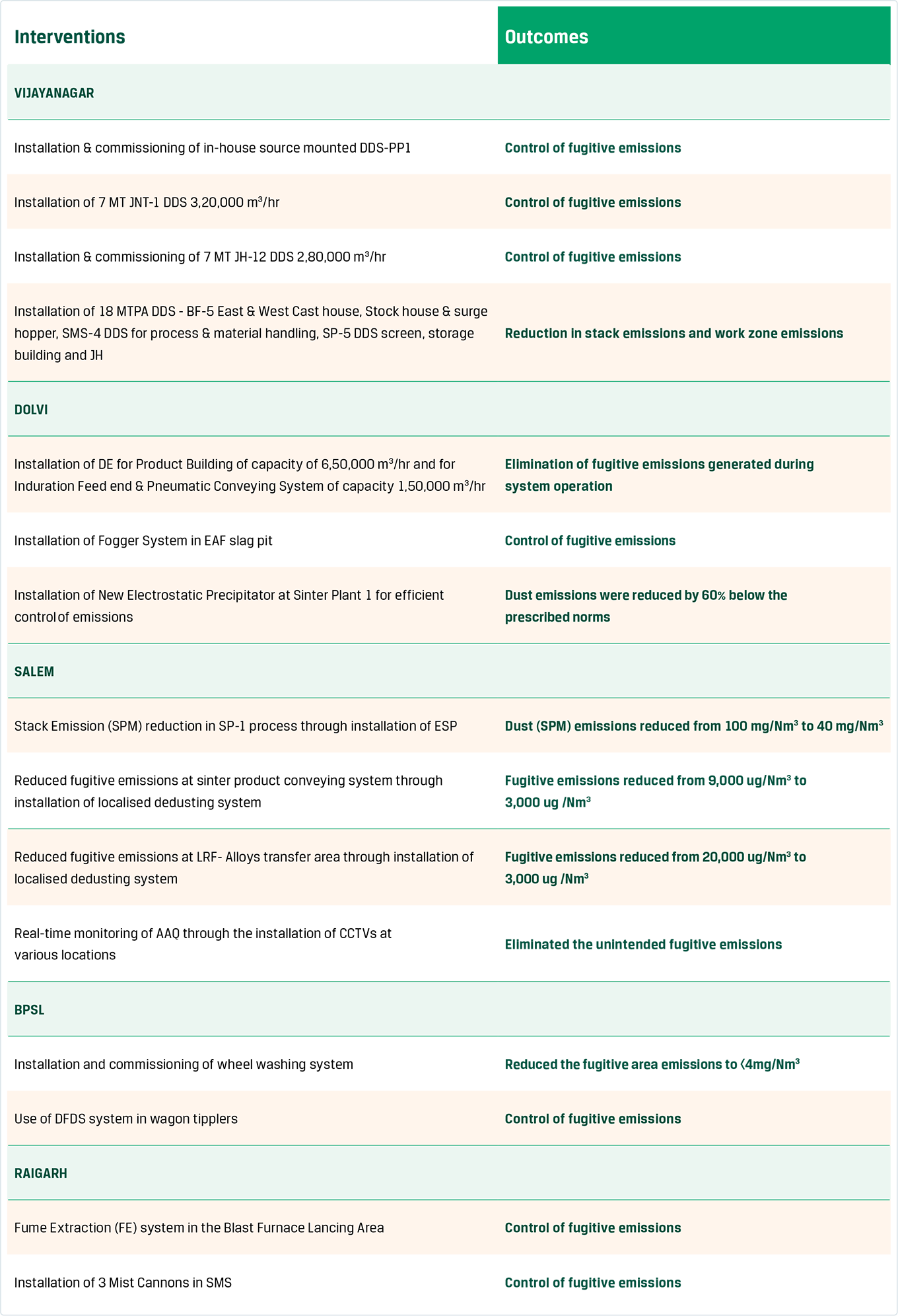
At JSW BPSL, we are taking bold, integrated action to mitigate fugitive dust emissions from raw material transport, acknowledging its imperative for both sustainability and public well-being. With 30% of material moved by road, truck traffic generates substantial dust within the plant. To address this dust pollution, we've deployed four Auto Wheel Washing Systems. These systems use treated water to ensure clean vehicle wheels and undercarriages, thereby curbing road dust in accordance with Odisha State Pollution Control Board norms.
Additionally, to mitigate the dust pollution generated by the Wagon Trippler, we have installed a Dry Fog Dust Suppression System. This system disperses ultra-fine fog capable of binding airborne particles (1–800 microns), thereby improving RMHS air quality. Similarly, over 300 swivelling sprinklers have been deployed across high-risk zones, including DRI, the Power Plant, and storage yards. These systems simulate rainfall using recycled wastewater, thereby suppressing dust pollution and contributing to a better work environment at the plant.
A Truck Tippler with an attached water spray system further facilitates the cleaner, safer unloading of road-transported materials. These dust mitigation and spraying systems utilise water from our Wastewater Treatment Plant, thereby promoting resource circularity and ensuring compliance with water regulations. This approach significantly enhances both workplace and environmental conditions.
300+
Swivelling sprinklers have been deployed
